
Cyprus has always been a popular holiday destination. Warm weather, idyllic beaches, a relaxed way of life and a rich cultural history all come together to give visitors plenty to enjoy. It also finds itself high on the expat wish list for somewhere new to call home. Families, retirees, young professionals and digital nomads all flock to the island ready to start a new adventure, but it can’t be rushed into.
Any relocation, even to a country with connections to your own, requires research and an understanding of the challenges that could arise. In this guide, we outline all the common concerns, from education to employment and from taxes to transport, so your transition runs smoothly.
Cyprus at a glance
- Capital: Nicosia
- Population: 1.38 million (approx)
- Currency: Euro
- Language: Greek & Turkish
- Religion: Christianity (78%), Not stated (17.3%), Islam (2%), Other (1.7%), No religion (1%)
- Time Zone: GMT+2
- Driving Side: Left
Popular areas of Cyprus
Cyprus has so much to offer expats planning to move there, and if your plans are still in the early stages, it may be best to see what areas are best suited to your needs. While some places favour families, others may be better suited to specific types of work or away from the vibrancy of popular tourist locations. We’ve highlighted some key places for your consideration.
Popular areas of Cyprus for families
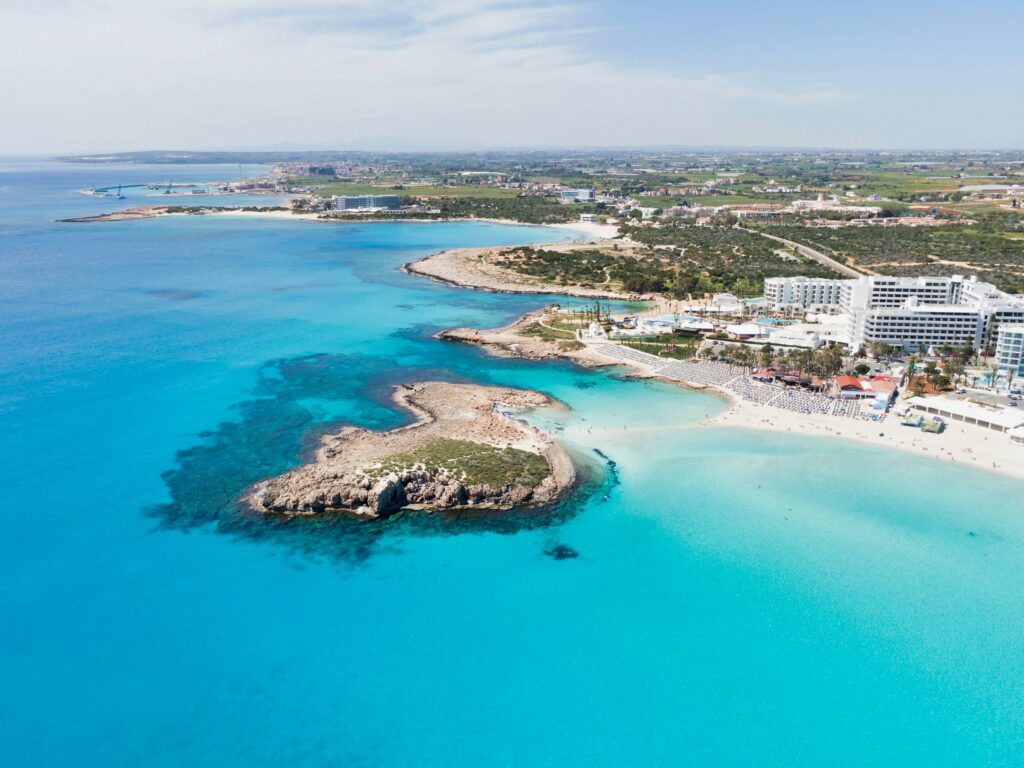
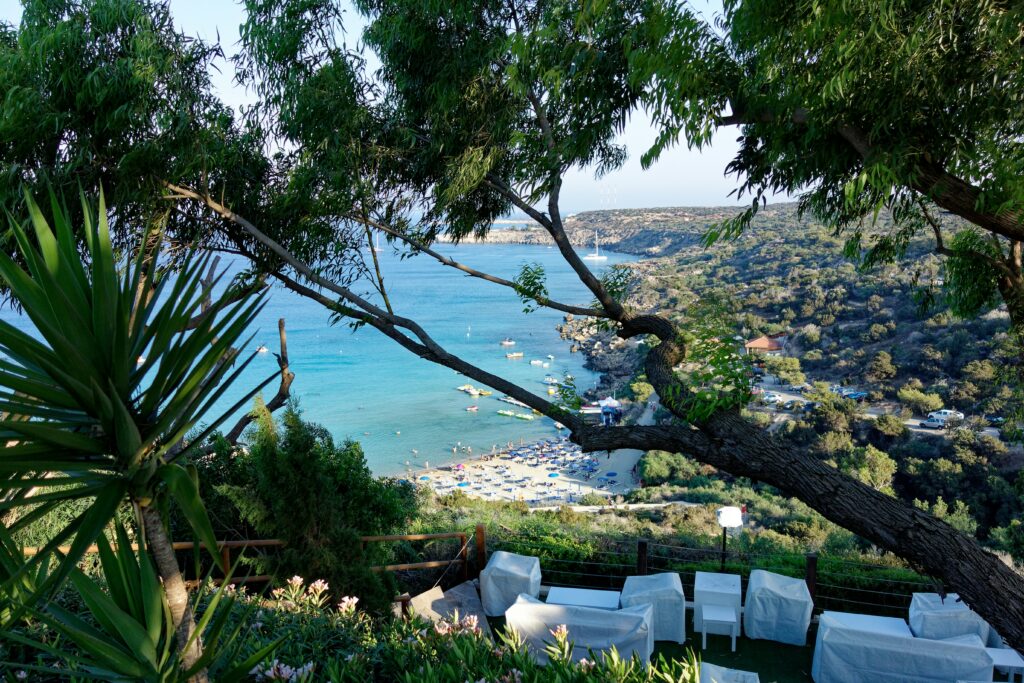
Cyprus has so much to offer families, with a wide range of stunning locations that enjoy year-round warm weather, an abundance of outdoor activities and swathes of nature, history and culture all within close proximity of one another. Limassol, Paphos and Larnaca are fantastic options for relocating families. Limassol is home to some of the most prestigious private schools on the island and provides a wide range of job opportunities for working parents. Paphos and Larnaca offer similar benefits but in a more relaxed, cost-effective environment. Nicosia is also worth considering, thanks to its world-class schools and its role as the island’s business hub.
Popular areas in Cyprus for digital nomads
Cyprus provides an excellent base for digital nomads. Limassol is the premier spot for digital nomads. It boasts a thriving expat scene and has a range of co-working spaces ideal for networking. The capital city, Nicosia, is also a great option, as not only does it open plenty of doors for you, but the cost of living is lower than it is in coastal areas.
Popular areas in Cyprus for retiring expats
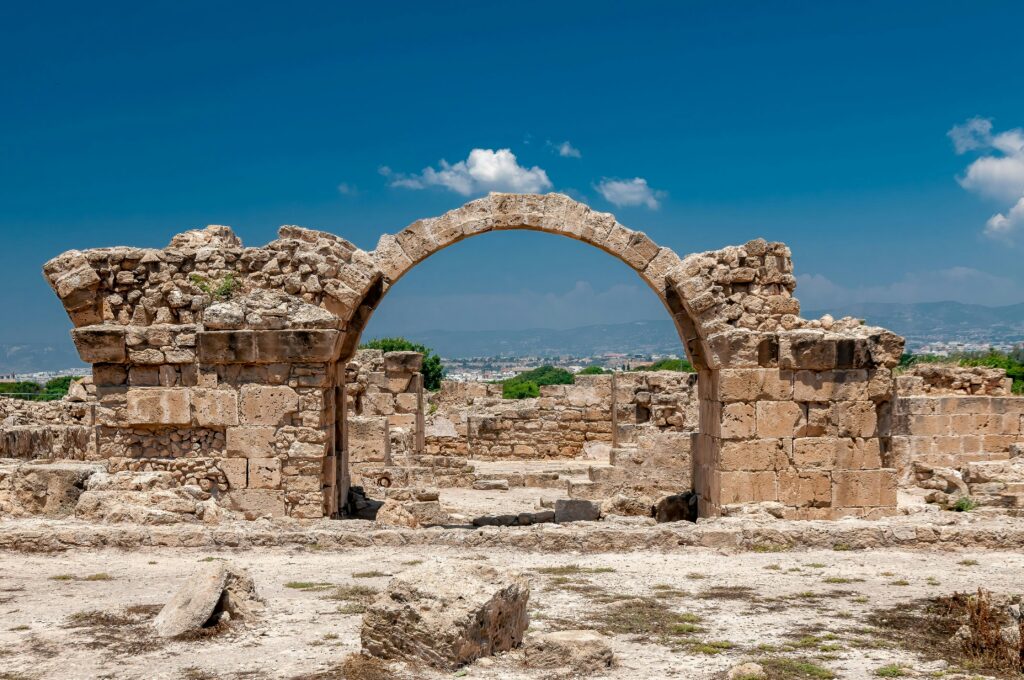
If where you live in Cyprus isn’t determined by educational or professional needs, the island is free to explore without limitation. However, some rural areas may not prove to be as enthralling as others. Whilst many are stunning, some are sparse, often resulting in a more solitary existence than you perhaps hoped. Paphos is excellent for retirees. Its slow pace, UNESCO sites, and stunning coast mean you can enjoy your golden years in serenity.
Areas to avoid in Cyprus
Cyprus is generally very safe, but expats are advised to avoid or exercise caution in the Turkish-controlled Northern Cyprus. There is presently very little consular support, and a UN peacekeeping force maintains a buffer between it and the Southern part of the country.
For expats, the southern side of Cyprus is the most popular, and across the towns and cities, nowhere stands out as an area to avoid. However, the industrial edges of Limassol or Nicosia are often flagged for overpriced properties, poorly maintained outskirts and proximity to industrial ports.

Cyprus visa requirements
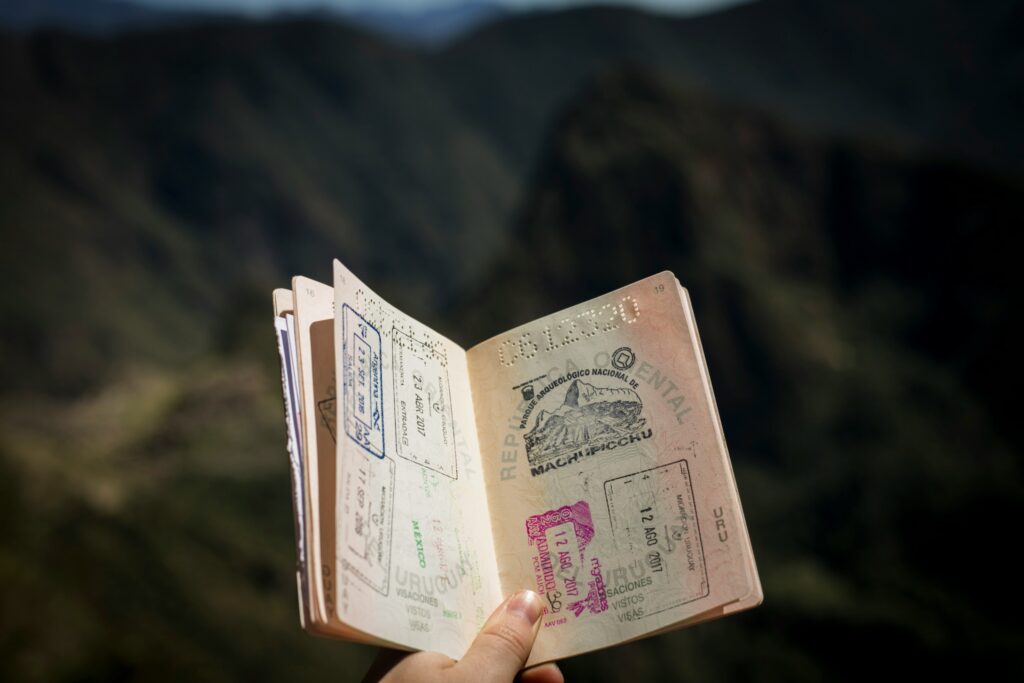
Visa requirements for Cyprus differ depending on whether you are an EU or non-EU national. EU/EEA and Swiss nationals do not need a visa to enter Cyprus for stays of up to 90 days. If they intend to remain longer, they must register with the authorities and obtain a registration certificate (known as a yellow slip). Non-EU nationals may be subject to visa requirements depending on their nationality. Citizens of countries such as the USA, Canada and the UK are visa-exempt for stays of up to 90 days within 180 days. Those who are not visa-exempt must obtain a short-stay visa in advance from a Cypriot embassy or consulate. Any non-EU national staying more than 90 days must apply for the appropriate residence permit or long-stay visa to remain in Cyprus.
Visas in Cyprus
There is a range of long-stay visas from the Cypriot government that help make an expatriate’s relocation legal. The visa you require depends on your circumstances.
- Long-stay visa: Known as a Cat D visa, this is the common option for those planning to stay in Cyprus for more than 90 days. These are issued for self-employment, employment in Cyprus that does not create undue local competition, study or family reunification.
- Golden visa: For investors with a minimum of €300,000 to invest in real estate, commercial real estate, Cypriot investment funds or Cypriot company shares.
- Digital nomad visa: A temporary visa eligible for one year with the option to renew for a further two years. Solely for remote workers.
Most visas provide a pathway to residency, and expats should remain aware that the requirements and costs for each visa vary greatly. Costs can range from €70 for a digital nomad visa to €300,000 for the golden visa. For all visas, you’ll need ID, proof of income/finances, accommodation, a criminal record certificate and health insurance.
The digital nomad visa does not lead to citizenship or permanent residency, as it has a maximum duration of three years, so expats entering Cyprus under this scheme will need to make alternative visa arrangements if they wish to prolong their stay.
Residency permits in Cyprus
A residency permit is essential for non-EU nationals wishing to stay long-term in Cyprus. If you are staying in Cyprus on a Category D visa, you’ll need to apply for a temporary residence permit (known as the pink slip), typically valid for one year. You must do this within 30 days of arrival. It will need to be renewed each year you plan to stay. After five years of continuous legal residence, you may become eligible for permanent residency.
EU nationals and their non-EU family members must apply for MEU1 or MEU2 residence permits. These confirm the EU nationals’ right to live and work in Cyprus and grant their non-EU family members residency. This should be done within four months of arrival.
The Golden Visa program allows investors to obtain permanent residency directly upon meeting the investment criteria, bypassing the temporary residence stage.
Processing times for all types of residency permits can be lengthy, and long waits are not uncommon. All applications should be processed through local immigration offices or the Civil Registry and Migration Department in Nicosia.

Job opportunities in Cyprus
If you hold the correct permit, you’ll be eligible to work in Cyprus. Immigration permits open you up to opportunities in mining, scientific sectors or self-employed agriculture. You’ll need to prove you are suitable for these categories and have sufficient funds behind you.
Broader employment opportunities are available in ICT, finance, hospitality, construction, shipping and teaching English as a foreign language. There aren’t many obstacles for expats to overcome. English is widely spoken, and if you have the relevant qualifications & experience, you should find sourcing employment relatively easy. However, learning Greek will present more opportunities.
Wages in Cyprus are, for the most part, lower than in other parts of Europe, but lower taxes and cost of living mean a salary can go much further. Currently, the minimum wage in Cyprus is €1,088 per month, but for the first six months of employment with the same employer, this is capped at €979. The current average salary is approximately €2,500, but reports claim that nearly 50% of workers earn significantly less than this.

Tax in Cyprus
Income tax in Cyprus is progressive, with a generous tax-free threshold of €22,000 as of 2026. Once you earn more than this, income tax applies. You only pay tax on the portions within the relevant bracket. For example, a salary of €35,000 will see zero tax on the first €22,000, 20% tax on the €22,001-€32,000 portion of the salary and then 25% on the amount from €32,001-€35,000.
You’ll become a tax resident once you spend more than 183 days in the country. A 60-day rule has been introduced for those who travel extensively but maintain a permanent residence in Cyprus and do not hold tax residency elsewhere.
Social security is also due, with 8.8% of your gross pay deducted to help cover healthcare, pensions, unemployment and maternity. Your employer also contributes 12.5%, with 8.8% covering social security, and the remaining amount goes towards a redundancy fund, a development fund and a social cohesion fund. Self-employed expats will be required to pay 16.6% in social security every quarter.
Banks in Cyprus
Opening a bank account in Cyprus as an expat is simple. Foreigners, whether residents or non-residents, can open an account, provided they can show a passport, proof of address and proof of income. Non-EU citizens may require additional documentation,
In some cases, you can open your account online from your home country; some banks may require an in-person appointment to finalise your application, though.
Major banks offering English support include Bank of Cyprus, Alpha Bank and Hellenic Bank.
You’ll be fine with contactless payments in Cyprus. Most places accept card payments and will have a contactless limit of 50. It’s worth ensuring you always carry some cash, though. Shops in rural areas, some public transport and smaller vendors may only accept cash.
Cost of living in Cyprus
Cyprus offers expats an affordable cost of living in sunny and scenic surroundings. Prices have been rising, but compared to the UK, France, Germany and the USA, key expenses such as housing, utility bills, public transport and groceries tend to be cheaper in Cyprus.
Wages
In Cyprus, the minimum monthly wage is €1,088, but the national average is much closer to €2,500. Despite this, reports indicate that more than 50% of the working population earns less than this. With generous tax rates, income can go much further than it may in your home country, helping you to live a more comfortable lifestyle in a charming, warm and hospitable country.

Property prices
Property prices remain low in Cyprus compared to much of Europe, but they are rising. Property tends to be more expensive in Limassol than elsewhere, with rental costs 2.5 times higher there than in Nicosia. You’ll make an even bigger saving if you buy or rent property in more rural areas, but connections to main towns and cities, as well as available services, are often limited.
The average cost of buying a property in Cyprus is around €250,000-€300,000, with coastal areas and premium properties demanding the highest prices. That said, bargains can be found in suburbs such as Lakatamia and Dali, where detached houses and large apartments are available for competitive prices.
Utility bills
Your utility bills in Cyprus will likely be cheaper than what you are used to if you move to Cyprus from the UK or many other Western European countries. That said, in the summer months, the warm weather sees a huge rise in bills because air conditioning systems are in regular use. This sees an approximate monthly cost of €186. It should be noted that many utility bills in Cyprus are sent bi-monthly rather than monthly, which may often give the impression that costs are higher.

Public transport in Cyprus
Public transport in Cyprus is an affordable and easy way to get around the island. There is no rail network, so most people will use the comprehensive bus system or hire a taxi. Buses remain the most popular option. Day passes can cost as little as €5, and weekly passes can be purchased for as little as €20.
Childcare costs
Childcare costs in Cyprus are considerably cheaper than in many other European countries. However, the percentage of income they absorb is high. OECD analysis found that costs can equate to as much as 29% of household income. This is significantly higher than in Germany and Austria, where the share rarely exceeds 5%.
A family can expect to spend between €300 and €650 per month, making it considerably cheaper than the UK, Switzerland or the Netherlands.
Living expenses in Cyprus
Using the latest Numbeo data, we’ve highlighted some common expenses you’ll find in Cyprus and compared them to those in one of Europe’s most expensive countries, the UK.
| Item | Cost in Cyprus | Cost in the UK |
| Monthly utility bills | €185 | €277 |
| Monthly childcare (private) | €429 | €1483 |
| Rent (1 bed city centre) | €843 | €1173 |
| Standard mobile plan | €19 | €15 |
| Broadband | €30 | €37 |
| Groceries (basic shop) | €55 | €50 |
Buying or renting property in Cyrpus
Your move to Cyprus will require a base, and whether it’s the charming Paphos or the laid-back Larnaca, finding a property that suits budgets, tastes and needs may present challenges. The most expensive properties are in Limassol, with Nicosia and Larnaca providing more budget-friendly pricing. For foreigners, buying or renting can be simple, but some limitations exist.
Renting property in Cyprus as an expat
Renting property in Cyprus as an expat is fairly simple. Once you’ve found an area and property that suits your needs and budget, organise a viewing with a local estate agent. You’ll be able to negotiate terms, and provided you have a passport or valid ID, proof of income or employment and references from previous landlords, you’ll be good to go.
A deposit of one or two months’ rent is required, which is refunded at the end of the six or twelve-month lease if the property is returned in good condition. There can be significant disparity in pricing for rental properties, with coastal locations often among the most expensive and more inland locations on the more affordable side.
Buying property in Cyprus as an expat
If you would rather buy a home in Cyprus, you are spoilt for choice when it comes to locations. As an expat, you should be aware of specific restrictions. EU citizens can purchase as many properties as they like, while non-EU citizens are generally limited to one residential property.
Property prices vary widely: a house in Limassol can exceed €700,000, while a similar property in Larnaca may be under €400,000.
The buying process is straightforward but involves several steps. First, find a property through a local estate agent and hire a Cypriot lawyer to handle the legal work. Make an offer, and if accepted, pay a deposit (typically 10%). Non-EU buyers must apply for a property purchase permit before the property is registered. Stamp duty is paid on the contract, the transaction is finalised, and the title deeds are transferred. Once registered, the property is officially yours.


Cyprus healthcare
The healthcare system in Cyprus offers a mix of public and private care and is well known for its comparatively low costs and good standards. The public system, known as GESY, can be accessed by expats in Cyprus once they have lived or worked in the country for more than three months; however, non-EU/EEA citizens will need private health insurance. After three years of social security contributions, full GESY benefits are available to all EU and non-EU expats.
Healthcare in Cyprus is not completely free, but generous subsidies make for very low out-of-pocket expenses. The private sector is, of course, more expensive and offers a wider range of care.
Our guide to health insurance in Cyprus outlines the key benefits of both sectors and the challenges that expats may face.

Schooling in Cyprus
If your relocation to Cyprus includes children, you’ll need to register your child for their education as soon as you become a resident. In Cyprus, public, private and international schools are available, with access to public schools free of charge. However, language barriers mean that for many expat families, the public school system is far from ideal. Lessons are taught in Greek and English support may be limited. Overall, standards are good, but expats may find private or international schools more suited to their needs.
Private and international schools in Cyprus, on the other hand, allow for easier integration into learning in a foreign country. Lessons will be taught in English, and pupils are more likely to interact as they share the same language and potentially cultural backgrounds. You’ll find private schools in Paphos, Larnaca, Nicosia and Limassol, but it is advisable to research the school before committing, as curricula vary between them.
School attendance is compulsory in Cyprus from the ages of 5 to 18, with further education optional from 15 to 18.

Is Cyprus a safe place to live?
Cyprus is widely considered a safe place to live. With low levels of violent crime, the main issues expats should remain wary of are pickpockets and other opportunistic criminals.
Busy, crowded spaces, especially during tourist season, remain the most likely to see crime occur, so expats are advised to take care of personal belongings and keep items secure when on public transport or moving through crowded areas.
If you are a crime victim or need to report an incident, you can call 112. English-speaking call handlers will assist and organise appropriate support. You can also call 199 for fire and ambulance services.
If visiting a police station to report a crime, it may pay to know some basic Greek phrases to help you get the best possible support. Whilst major cities and towns may have English-speaking staff, this is less prominent in remote and rural areas.
Common challenges encountered by expats in Cyprus
Moving to a new country can be challenging, and it’s not just about seeking employment or buying property. Cultural differences and more can all make settling into a new life a little more difficult.
Language in Cyprus
The main language in Cyprus is Greek, although English is widely spoken. In Northern Cyprus, Turkish is the primary language, but this area is frequented less by expats.
Cultural differences
Cyprus may appear very relaxed compared to many countries, making it potentially much easier to forge relationships with neighbours and colleagues. That being said, this relaxed approach often means shops and businesses may open later than advertised.
You’ll also find that while working environments remain professional, they are generally less rigid than those in Northern Europe. Punctuality, for example, is appreciated, but does not define the outcome of an interaction.
Religion plays a big part in life, and whether a follower of a faith or not, respecting others’ beliefs is expected.
Etiquette to be aware of
Etiquette also plays a key role in Cypriot life. A handshake when you meet someone is normal, and 2-3 cheek kisses are common among friends in the south.
When visiting someone’s home, refusing food or drink, especially if offered repeatedly, is seen as rude, whilst paying a compliment to the food served, the décor of the home or the style of the garden is always appreciated.
During special occasions, gifts are welcome, but clocks, sharp objects and even handkerchiefs should be avoided as they can signify bad luck.
Work-life balance
A good work-life balance is something many expats strive for, and in Cyprus, the relaxed way of life, calming climate and manageable pace do make it welcoming. However, some people complain that working hours can be excessive.
The standard working week is 38-40 hours with between 20 and 24 days of paid holiday as standard. On top of this, workers benefit from 15 days of paid holiday per year. Laws introduced in 2022 have seen improved rights for parents and carers.
Cyprus Weather
Cyprus enjoys more than 300 days of sunshine a year, making many areas enticing for expats. Rain can be rare, as can low temperatures. However, snow can be found in the Troodos mountains during January and February, presenting skiing opportunities for those interested.
| Month | Jan | Feb | Mar | Apr | May | Jun | Jul | Aug | Sep | Oct | Nov | Dec |
| Avg max Temp (c) | 16 | 16 | 17 | 21 | 24 | 28 | 30 | 30 | 29 | 25 | 21 | 17 |
| Sunlight (hrs) | 5 | 6 | 7 | 9 | 10 | 12 | 12 | 11 | 10 | 8 | 7 | 5 |
Public Holidays in Cyprus
In 2026, the public holidays in Cyprus are as follows.
- 1st January (New Year’s Day)
- 6th January (Epiphany)
- 23rd February (Green/Clean Monday)
- 25th March (Greek Independence Day)
- 1st April (Cyprus National Day)
- 10th April (Orthodox Good Friday)
- 12th April (Orthodox Easter Sunday)
- 13th April (Orthodox Easter Monday)
- 1st May (Labour Day)
- 1st June (Whit Monday)
- 15th August (Assumption Day)
- 1st October (Cyprus Independence Day)
- 28th October (Ochi Day)
- 24th December (Christmas Eve)
- 25th December (Christmas Day)
- 26th December (Boxing Day)

Useful resources for expats
- Ministry of Interior: https://www.gov.cy/moi/en
- Republic of Cyprus Government Portal: https://www.gov.cy/en
- Cyprus National Health Service: https://www.gesy.org.cy/
- Expat forums for advice and support
