
Spain has long been a favourite destination for holidaymakers and expats. The sun-soaked beaches, the relaxed way of life and a vibrant mix of history, culture, food and passion combine to offer an idyllic location for a quick getaway or a fresh start in life.
With much to offer families, professionals and retirees, it ranks among the most desirable countries in the world for expats, but despite the encouraging signs, challenges are inevitable.
In this guide, we explore visas, job prospects, childcare, taxes and more to ensure your relocation to Spain runs seamlessly, and you are fully prepared for your new adventure.
Spain at a glance
- Capital: Madrid
- Population: 48.75 million (approx)
- Currency: Euro
- Language: Spanish, Catalan, Galician & Basque
- Religion: Christian (55.4%), Atheist (15.8%), No religion (12%). Agnostic (11.2%), Other (5.6%)
- Time zone: GMT+1
- Driving side: Right
Best places to live in Spain
There are so many wonderful places to choose from in Spain. With exciting cities like Madrid, Barcelona, Seville and Valencia, and picturesque settings like Toledo, Granada, Santiago de Compostela and Montefrio, there is something for all tastes and age groups. Choosing where is best for you can be a challenge. You’ll need to consider professional obligations, cost of living, safety and childcare, among other things. We’ve highlighted some of the key places you may want to add to your wish list.
Best places to live in Spain for families
Spain has an incredible array of locations suited to families. Where cities can often prove to be complex and challenging when navigating family life, in Spain, it’s the opposite. Valencia is rapidly growing in popularity thanks to its excellent healthcare facilities, range of schools and a lower cost of living than Madrid or Barcelona. Malaga is a city, but not on the scale of the capital, and its strong expat community makes integration easy. Madrid is, of course, a likely destination. A business hub, outstanding international schools and vast green spaces, it offers what some capitals can’t. Many people choose Spain for its coast, and with Stiges, Marbella and Alicante offering a mix of sun, sea and safety, they shouldn’t be missed.
Best places to live in Spain for digital nomads
The introduction of the digital nomad visa in Spain has opened doors for remote workers and freelancers to find a scenic, sunny and suitable place to call home. Whilst the requirements for getting the DNV can be challenging, those who are successful can count on numerous places to suit their needs.
Malaga is a rising tech hub, and with over 300 days of sun per year, it could be the ideal location to swap offices for beachside cafés. Madrid and Barcelona offer multiple coworking spaces and combine them with networking opportunities and a lively, diverse lifestyle. Seville, Valencia, Tenerife and Bilbao are also worth considering, especially for the low cost of living they offer.
Best places in Spain to live for retirees
If moving to Spain is part of your retirement plans, you are spoilt for choice. Naturally, you may want a slower pace of life, or somewhere that allows you to indulge your pastimes without the hubbub of a city or the tourist crowds. There are plenty of options. The Costa del Sol and Costa Blanca may be popular with tourists, but there are a range of peaceful places you can settle in among other expats. The Costa de Azahar often goes under the radar, but it can be a great choice for coastal living with fewer crowds.
Then, of course, you have the cities. Bilbao offers cooler summers, Madrid offers world-class healthcare, and Valencia provides a city atmosphere without the costs and pace of Madrid or Barcelona.
Areas to avoid in Spain
Spain is generally safe. In fact, it consistently ranks as one of the safest countries in Europe, but there are some areas best avoided. El Raval and Cuitat Meridiana in Barcelona are known for higher crime rates, drug use and occasional gang activity. In Madrid, Puente de Vallecas and San Blas have negative reputations and may not be inviting to expats. Seville and Valencia also have neighbourhoods that may not suit expats either. Los Pajaritos is known to be particularly dangerous, and Malvarrosa has a reputation for high crime, low security and drug problems.


Spain visa requirements for expats
Moving to Spain requires obtaining the appropriate visa. Four types of visa are among the most popular. We’ll outline them below.
Citizens of EU/EEA countries do not need a visa to enter Spain, and are free to live, work or study there. However, if the stay exceeds three months, they must apply for the Registro de Ciudadano de la UE with the local authorities.
For those moving from non-EU countries, the requirements differ. Citizens of Schengen countries can stay in Spain for up to 90 days within a 180-day period without a visa. To remain longer, they must apply for an appropriate visa. Citizens of non-Visa-Exempt countries must obtain a visa before entering Spain.
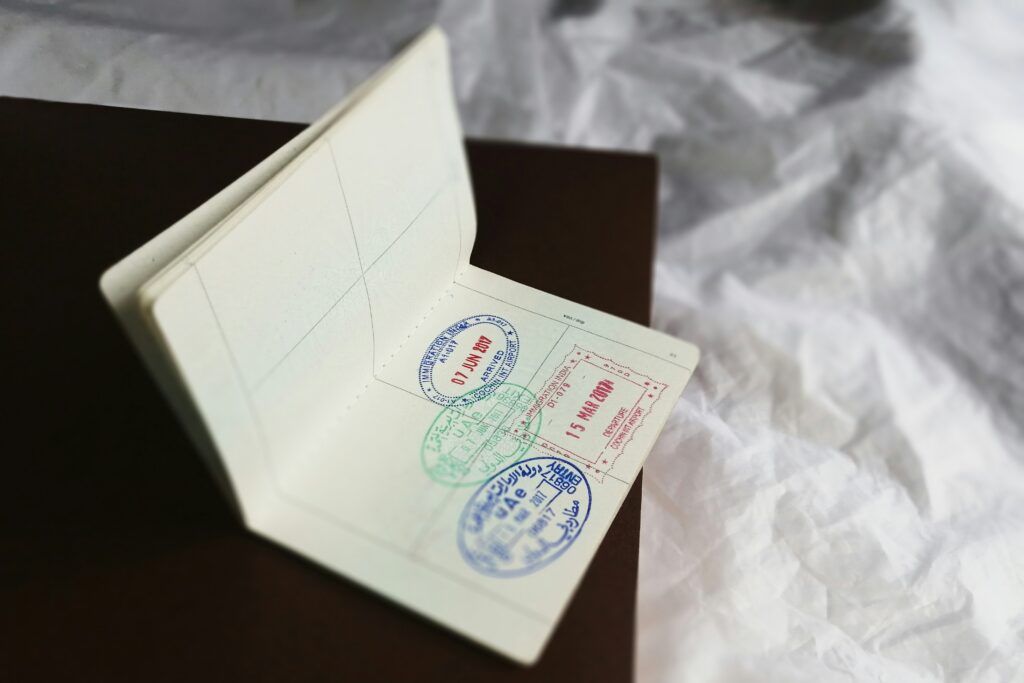
Visas for Spain
If you do require a visa for your time in Spain, it will likely be one of the four listed below. You’ll see that each has specific eligibility criteria.
- Non-lucrative visa Spain: The visa for retirees and passive income earners. You’ll need to prove you can support yourself financially, have a clean criminal record, hold a medical certificate and refrain from working during your time in Spain. Valid for one year, renewable for two.
- Digital nomad visa: For freelancers and digital nomads working for a non-Spanish company. Must have proof of earnings, health insurance and experience, or qualifications in the chosen field. Valid for one year, renewable for up to five.
- Entrepreneur’s visa Spain: For those looking to start a business in Spain. Proof of the economic benefits of the business and funds to support it are required. Furthermore, a detailed business plan and private health insurance are mandatory. Valid for one year and renewable depending on business performance.
- Spain employment visa: The highly qualified professional visa in Spain is for those with employment from a Spanish company. Once the visa is granted, it is valid for two years.
All visas provide a pathway to permanent residency after five years, but expats should remain aware of the criteria and costs associated with each. A digital nomad visa in Spain, for example, costs up to €90, whereas a non-lucrative Spanish visa can cost up to €600. There are various fees for each, including €16 to €20 for a Tarjeta de Identidad de Extranjero (TIE). This is your residence card that proves the legality of your stay in Spain.
For all visa applications, you’ll need proof of identity, health insurance, accommodation and a criminal record check.
Residency permits in Spain
A residency permit is essential for your stay in Spain to remain legal. Regardless of visa type, you’ll need one. You can obtain it once in Spain, but your visa must be applied for in advance through the Spanish consulate in your country. You’ll have thirty days from the moment you arrive to obtain your TIE. Once granted, you can live in Spain for a year; specific visas may allow for longer periods of residency. Simply book an appointment online via the Spanish government portal. Select your area of residence and choose the facility, date and time for an appointment. You’ll then attend, provide the relevant information and be asked to return in 2-6 weeks to collect your card.
Residency can be renewed if you continue to meet the requirements, and after five years, you can apply for permanent residency. You’ll notice another key number on your residency card. This is your Número de Identidad de Extranjero or NIE. This is your personal ID number and is used when opening bank accounts, buying property, paying tax and more.

Jobs in Spain
Finding a job in Spain as a foreigner can be easy for some and extremely challenging for others. It all depends on where you live and your specialisms. Cities like Barcelona, Madrid and Valencia present job opportunities in many sectors, with IT, finance, marketing and tourism among the most popular.
English speakers with limited Spanish-speaking skills may find opportunities teaching English as a foreign language. Alternatively, the thriving leisure and tourism industry is always keen to fill vacancies with suitable foreign staff.
The minimum wage in Spain has recently increased by 3.1%. This means lower earners will now earn €1,221 per month in 14 payments. This gives a gross salary of €17,094. Domestic workers, however, have a minimum wage of €9.55. Thanks to collective bargaining agreements, minimum wages in many workplaces exceed the government’s minimum.
At the time of writing, the average wage in Spain, according to the INE, was approximately €28,000, with sectors such as engineering, journalism, banking, education and healthcare all comfortably above that amount.

Tax in Spain
In Spain, your residency status determines your tax status. Living in Spain for more than 183 days in a calendar year or having your primary economic interests there will classify you as a tax resident. This means you’ll have to declare and pay taxes on worldwide income.
Spain uses a progressive tax system with rates ranging from 19% to 47%, depending on your income and region. A personal allowance of €5,550 is made available, meaning that if, for example, you earned 30,000 per year, tax would apply only to the remaining €24,450. This would then fit into the standard tax brackets as follows:
- 19% on the first 12,450
- 24% on the next 7,750
- 30% on the remaining 4,250
For some expats, the Beckham Law may be beneficial. This is a special expat tax regime that sets a flat rate of 24% on income up to €600,000 and 47% on income above this amount. This replaces the normal progressive rates and applies only to Spanish income.
Social security payments are also made, with all employed people contributing to healthcare, pensions, benefits, sick leave and more through wage deductions. Contributions are currently set at 6.4% deducted from your gross salary and 29.9% contributed by your employer, with a maximum monthly amount of €4,495.
Opening a bank account in Spain as a foreigner
Opening a bank account in Spain once you have moved there is relatively easy. It’s worth noting that there are different accounts for residents and non-residents.
To open a bank account in Spain, find a suitable branch and provide:
- Passport or other form of legal ID
- Your NIE
- Proof of address
- Proof of employment or income
In many cases, you can apply online, but you may need to visit the bank in person. CaixaBank, Santander and BBVA are among the most popular and many branches have English-speaking staff, which may help the process run more smoothly.
Once set up with your account, you’ll be able to make most card payments contactless. There are limits, though. Transactions are capped at €50, and a PIN is required for any spends exceeding that amount. Cash remains the most common way to pay for many things in Spain, though, so it is always wise to carry some Euros or have access to an ATM.
Cost of living in Spain
The cost of living in Spain varies greatly by region. As in many European countries, larger cities tend to be more expensive, but overall, life in Spain is seen as relatively affordable. Rent, food and transport are often much cheaper than in France, the UK or Germany, for example.
Wages in Spain
Spain has seen a steady increase in its minimum wage, with it rising 66% since 2018. This means that currently, many more people are earning at least €1,221 per month in 14 payments. Thanks to collective agreements in many sectors, wages tend to be higher than this, leading to a national average salary closer to €30,000.
With low costs in key spending areas, expats living in Spain see their wages go further than in the UK, USA, Canada and many other European countries.

Property prices in Spain
Property prices and rental expenditure are among the highest cost-of-living expenses, and in Spain, they have been rising. Reports show that house prices rose by 12.8% in Q3 2025. This still makes them considerably more favourable than they are in many other nations. For example, a one-bed apartment can cost from €600 to €1,050 per month, but clear regional differences are evident. An apartment costing €1,385 per month to rent in Barcelona may cost just over €800 in Sevilla and as little as €500 in Jaen.
It is similar when buying property, too. The average price per square metre of a property in Madrid can exceed €7,000, whereas in Caceres, you could be paying just €1,600.
Utility prices
Utility expenditure is increasing in Spain due to the reintroduction of 21% VAT on electricity bills and a 40% increase in system charges. This means that households could see annual costs rise by approximately €120. At the time of writing, the monthly average utility expenditure ranges from €80 to €220, but it is likely to rise due to the changes. That said, for expats, especially those from the UK, Canada, the USA, France and Germany, costs may appear significantly lower.

Public transport
The public transport system in Spain is seen as affordable and extensive, connecting people to towns and cities seamlessly. To keep costs down, the Abono Unico has been launched, providing unlimited monthly travel on state-owned commuter trains, some buses and medium-distance trains for just €60. Those under 26 can have the same access for just €30 per month.
Local tickets for buses and metros are generally around 2, and various discounts for large families, those aged over 60 and 14-25yr olds ensure prices can be kept down.
Childcare costs
Childcare costs in Spain are affordable when compared to those expats may encounter elsewhere. Low-income families can benefit from generous subsidies to help reduce costs further, but for those ineligible, childcare is likely still cheaper than you may encounter in the UK, for example. Public nurseries are very affordable but often have long waiting lists and assign places on a points system. This often results in limited options for families, leaving private care or a nanny as the only alternative.
You can expect to spend approximately €300 per month on public daycare and €900 if using private facilities. International nurseries will cost significantly more, with fees of up to €1,500 common.
Living expenses in Spain
Using the latest Numbeo data, we’ve highlighted common expenses you’ll find in Spain and compared them to those in one of Europe’s most expensive countries, the UK.
| Item | Cost in Spain | Cost in the UK |
| Monthly utility bills | €133 | €278 |
| Monthly childcare (private) | €480 | €1482 |
| Rent (1 bed city centre) | €889 | €1178 |
| Standard mobile plan | €16 | €15 |
| Broadband | €29 | €38 |
| Groceries (basic shop) | €54 | €52 |
Buying or renting property in Spain
As an expat, you can buy or rent property in Spain, and it can be straightforward. You’ll need to find somewhere that suits your needs and budget. Madrid, whilst appealing and suitable for families, singles and retirees, can be very expensive. Girona and Malaga, on the other hand, offer a slightly slower pace of life at considerably less cost.
Renting property in Spain as an expat
Renting a home in Spain as an expat can be simple, but there are a few hurdles you may have to overcome. To reduce the workload, you can appoint an estate agent, which comes with a fee, but also a streamlined process. Alternatively, you can use online property portals to find something that suits your needs and budget.
Once you have found a property, you’ll need to provide:
- Your NIE or passport
- Proof of income
- A deposit
- Proof of Spanish bank account
- A rental guarantee from your bank or a third party
Contracts are normally for one year, with one month’s rent as a deposit and the first month’s rent charged at the same time.
Tenants are protected in Spain with rent increases capped at 3% and landlords legally obliged to keep the property in good condition. Furthermore, if the landlord fails to provide at least 4 months’ notice, you are entitled to remain in the property for another three years if you wish.
Buying property in Spain as an expat
If you prefer to buy a home in Spain, it is quite easy, but caution is advised. A proposal is currently under review in the Spanish parliament that would mean all properties purchased by non-EU citizens have 100% tax added to them. This would mean that anyone buying a home would have to pay the entire property value as tax before any other taxes are applied.
For the time being, things continue as normal, meaning that buying property in Spain remains simple. Use an estate agent to help, and then follow the steps below:
- Find a property and carry out due diligence
- Hire a lawyer to handle the legal aspects
- Pay a reservation deposit of 3,000-6,000
- Sign a Contrato de Arras
- Pay a deposit (approx. 10% of property value)
- Sign the Escritura de Compreventa at the notary and pay the remaining balance.
- Pay ITP or VAT, notary fees, land registry fees and lawyer fees
- Register the property at the Registro de la Propiedad.



Healthcare in Spain
Spain has an excellent healthcare system and often ranks among the best countries in the world for its services. The public and private sectors offer reliable, high-quality care. The universal public system, known as Sistema Nacional de Salud (SNS), is available to all who contribute to the social security system, including expats and with its heavily subsidised or free care, it is an excellent way to access top-tier care.
Those not yet registered in Spain or who wish to supplement their coverage with a higher level of medical care can opt for private medical insurance, and it’s worth noting that all visa types require you to have private health insurance before entering the country.
Our guide to health insurance in Spain outlines the key benefits of both sectors, explains the challenges expats may face and provides advice on how to navigate them.

Schooling in Spain
The education system in Spain is well-regarded and offers free public-school places to all children, including expats. School is compulsory from 6-16, after which there are options to extend education by a further two years or complete vocational training.
Public schools are a popular option for expats, thanks to the free service they provide; however, teaching is primarily in Spanish and in regions such as Catalonia or the Basque Country, regional languages may also be used. This can present challenges for expat families as children may find it harder to settle, although many schools offer language support for non-Spanish speakers.
Private and international schools in Spain are also options for expats and offer English-speaking lessons as well as international and national curricula. These are seen as favourable to expats who may want their children to continue with a familiar education system or be surrounded by those who speak the same language. However, the vast fees these schools charge can be prohibitive.

Is Spain a safe place to live?
Spain is considered a safe place to live, but safety can depend on where you live and your own circumstances. Crime levels are generally low, and compared to many other countries, violent crime is rare. However, similar to other places, busy crowded spaces can be home to pickpockets and petty criminals.
Expats are advised to be cautious in tourist areas, especially in cities like Barcelona and Madrid. Keeping items secure, avoiding backstreets and travelling with others can help minimise risk.
If you are a victim of a crime in Spain or need to report an incident, call 112 for multi-language support. This will connect you to the police, fire or ambulance services. For specific emergency help in Spain, you should call:
- 061 for medical emergencies
- 080 for the fire service
- 091 for national police
- 062 for civil guard
- 092 for local police
Many call handlers speak basic English, but it is recommended that expats learn key Spanish phrases for appropriate support.
Common challenges faced by expats in Spain
Moving to a new country can be a challenge, and while the Spanish people are welcoming, adjusting to a new culture is often difficult.
Language in Spain
The main language in Spain is Spanish, with Basque, Catalan and Galician spoken in some areas. English is widely spoken, but in small towns and rural areas, this may be less prevalent.
Cultural differences
Spain has a truly relaxed way of life when compared to many other countries. Where Germany, France and the UK work at pace, in Spain, things are given time and allowed to move at their own speed.
There is a big focus on family life and social time, with work often taking a back seat. This is often reflected in the midday break, or siesta, that you may see in many towns. Shops will close from 2 pm-5 pm, allowing workers to relax, rest or indulge in activities.
Meals are often later in the day. Lunch can start at 2 pm, with dinner often not served until 9 pm or even later.
Spanish people are generally warm and expressive, which can sometimes make conversations feel intense to those not used to it. It is certainly not uncommon for conversations to be punctuated with loud laughter, interruptions and eccentric gestures.
Places can be noisy too. Areas you may have often considered reserved can be where passionate or animated conversation happens. You’ll also find this carries into the nightlife too. Many bars remain busy long into the night when you may have otherwise expected people to have gone home.
Work-life balance
A good work-life balance is essential in Spain, but it is different in the UK, USA, Germany, and France. Lunch breaks can often last for three hours, meaning the working day starts at 9 am, breaks for lunch at 2 pm, then restarts at 5 pm, finishing at 8 pm.
Annual leave is typically 22-30 days, not including public holidays. Further leave is granted for parents, with both mothers and fathers given 16 weeks at 100% salary.
Weather in Spain
Spain is known for its warm weather, but some parts are exceptional for winter sports in the colder months. Overall, you can expect hot, dry summers with mild and wetter winters.
| Month | Jan | Feb | Mar | Apr | May | Jun | Jul | Aug | Sep | Oct | Nov | Dec |
| Avg max Temp (c) | 10 | 12 | 15 | 18 | 22 | 28 | 32 | 32 | 27 | 20 | 14 | 10 |
| Sunlight (hrs) | 4 | 5 | 6 | 7 | 9 | 10 | 11 | 11 | 8 | 6 | 5 | 4 |
Public holidays in Spain
In 2026, the public holidays in Spain are as follows:
- 1st Jan (New Year’s Day)
- 6th Jan (Epiphany)
- 3rd Apr (Good Friday)
- 1st May (Labour Day)
- 15th Aug (Assumption of Mary)
- 12th Oct (National Day of Spain)
- 1st Nov (All Saints’ Day)
- 6th Dec (Constitution Day)
- 8th Dec (Feast of the Immaculate Conception)
- 25th Dec (Christmas Day)

Useful resources for expats
- Spanish Ministry of Foreign Affairs: https://www.exteriores.gob.es
- Visa Application Centre: https://www.blsspainvisa.com/
- Spanish National Police: https://www.policia.es
- Expat forums for advice and support
