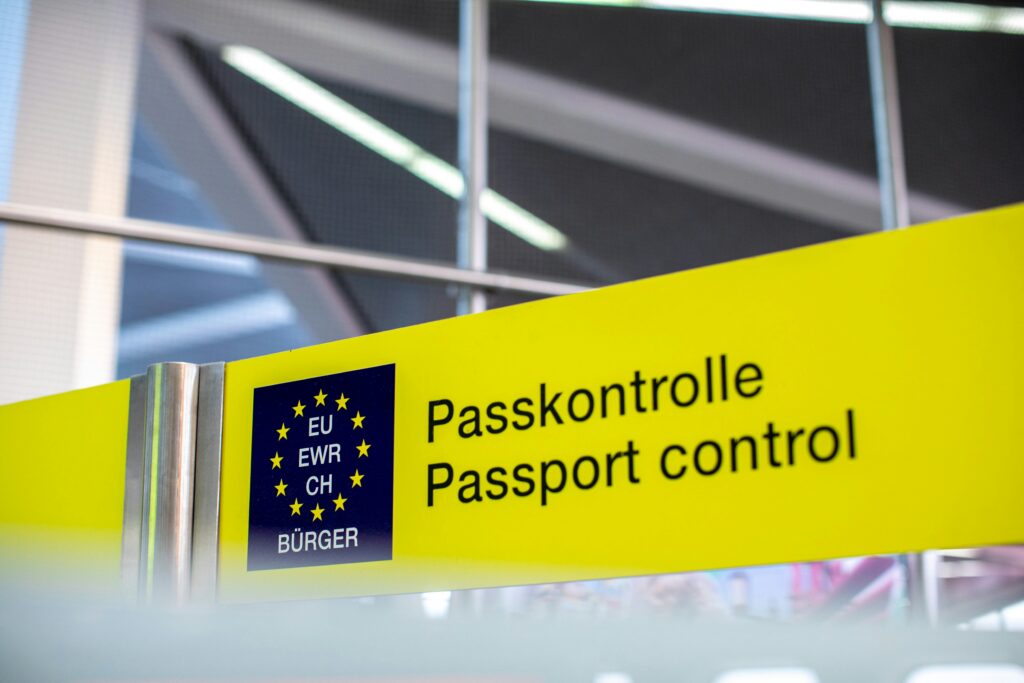
EES and ETIAS: Understanding How The EU Entry Exit System Affects Expats
For expats living both outside and within the EU, regular travel across European borders is changing. The EU Entry Exit System (EES), also known as the European Entry Exit System, began a phased rollout in October 2025 and became fully operational on 10 April 2026, transforming how non-EU travellers enter and leave Europe. Alongside it, ETIAS will introduce a new pre-travel authorisation requirement later this year. This is particularly important for expats who split their time between countries, are planning a move abroad or regularly return to visit family or manage property abroad.
- EES, or EU entry/exit system: For all non-EU nationals, including UK citizens. It records entries and exits to 29 countries (27 Schengen and Bulgaria & Romania) and tracks that stays do not exceed the allowable 90 days within any 180 days.
- ETIAS, or European Travel Information & Authorisation System: Applied for before travelling, it’s similar to the ESTA of the USA or ETA of the UK. Due to be launched towards the end of 2026, this system is a pre-travel authorisation for visa-exempt travellers to visit 30 countries (27 Schengen plus Bulgaria, Romania and Ireland. Please note that Cyprus is excluded from ETIAS despite being an EU member state).
The EES became fully operational across Europe on 10 April 2026, following a phased introduction that began on 12 October 2025. ETIAS is due to launch in the late stages of 2026.
What is the EU entry exit system?
The European Union entry/exit system is a digital border system for use in the Schengen area and Bulgaria and Romania.
Where you’d normally need to have your passport stamped every time you cross a border, this new way of tracking arrival and departure into a country aims to streamline the process and monitor the 90-day visa-free allowance much more easily. For example, if you regularly travel between countries like Spain, Portugal or France while planning a relocation, you’ll need to be much more aware of how quickly those 90 days are used.
In these early days of the rollout, some EU airports have reported significant delays caused by the new entry-exit system. However, after your first pass through the EES system, things should be much quicker and result in fewer delays. This is because your biometric data is taken on your initial border crossing and then stored so it can be accessed when you next move from country to country, making each subsequent crossing significantly faster. For expats travelling for property viewings, visa appointments or other time-sensitive trips, it’s worth building extra time into your schedule during this early period.
What EES monitors
Issues aside, the system should provide much more stringent border control. This is because it records:
- When you arrive in the EU
- When you leave the EU
- Which border you cross
- Your photo and biometric data, such as fingerprints
So, whether house hunting in Spain before relocation or returning to the UK to visit family, you’ll need to use the EU entry/exit system. It isn’t just limited to airports either. Ferry ports, train stations and road borders will all require you to have your fingerprints scanned, a photo taken, and your passport checked. Note that children under 12 are not required to provide fingerprints but will still need a facial scan.
Why has the entry-exit system in Europe been introduced?
The EU Entry Exit Border System, or EES, has been launched to improve border security within the EU and neighbouring countries. By automating border control, it’s hoped that illegal immigration can be reduced and visitors won’t breach the duration of their permitted stay.
The EES is part of a much broader EU plan to help strengthen border security, and that is where the ETIAS comes in. Once ETIAS is launched, you will need to apply for authorisation to enter Schengen area countries if you do not already hold a resident permit or suitable visa. This means trips into the Schengen area for planning your permanent relocation as an expat will require ETIAS once it is introduced, as well as EES.
It’s worth noting that, as of April 2026, you do not need to do anything regarding ETIAS, and if you have been advised to purchase ETIAS now, you are being sold it fraudulently. Once it is live later in the year, you’ll be required to pay €20 and provide specific information relating to your trip, though those aged under 18 or over 70, and family members of EU citizens, are exempt from the fee. We’ll cover this further down the page.
How does the EES European Entry Exit System work at the border?
The entire process has been designed to make border crossing quick, easy and secure. Whilst delays have been inevitable in these early days, it is expected that over time, movement between countries will be hassle-free, but also safer. Some of what you do will be familiar to you, but below is a step-by-step guide to how EES works when you move between countries:
- Present your passport: As you do now, hand over your passport, or scan it if using a self-service. Your passport will be checked as normal.
- Data collection: You’ll then have a photo taken and place your fingers on a scanner. This allows both your image and fingerprints to be stored and helps certify that you are the genuine owner of the passport. Children under 12 will have their photo taken but are not required to provide fingerprints.
- Answer some questions: This may not always happen, but you might be asked why you are travelling, where you’ll be staying and what date you are returning. This helps to verify that you won’t exceed the 90-day visa-free allowance.
- Confirmation: The system will then confirm your identity, recording your entry. Your passport won’t be stamped, with everything logged digitally.
Tip: If you want to speed up your first crossing, the official EU “Travel to Europe” app allows you to pre-register your biometric photo and passport data up to 72 hours before arrival. It’s currently available in select countries including Portugal and Sweden, with a wider rollout planned.
Are any expats exempt from using the EU entry exit system?
Many expats won’t need to use the entry exit system in Europe when moving between countries. Those exempt are:
- EU citizens, even if living outside the EU.
- Non-EU nationals who hold the relevant residence permit or long-term visa in an EU country.
- Nationals of Schengen-associated countries, Norway, Iceland, Liechtenstein and Switzerland
- Family members of EU nationals who hold a residence card from an EU or Schengen country
If any of the above apply, you can avoid the EES system altogether and continue with normal residency card checks.
Dual citizens can use their EU passport to avoid the EES system if they prefer; UK passport holders entering EU countries will need to use EES.
What is ETIAS?
ETIAS, also known as the European Travel Information and Authorisation System, is the pre-travel authorisation for visa-exempt travellers entering the Schengen area. It is similar to the ESTA used in the USA. This means that even short trips, such as visiting family or scouting locations in anticipation of relocation, require approval before travel.
Before travel, all visa-exempt expats must complete an online application. This will include:
- Entering passport details
- Paying a fee of €20 (waived for those under 18, over 70, and family members of EU citizens)
- Answer basic questions
- Provide some personal details
Once approved, your ETIAS is automatically linked to your passport and is valid for multiple trips over three years, or until your passport expires, whichever comes first. Expats should remain aware that only short stays of up to 90 days within any 180-day period are permitted under ETIAS, and a Schengen Visa is required for longer-term stays.
What’s the difference between the EU entry exit system and ETIAS?
It can be easy for expats moving between countries to get confused between EES and ETIAS. In short, they work alongside each other but serve different purposes. Our table below outlines the key differences between them.
| EU entry/exit system | ETIAS |
| Records movements | Grants permission to travel |
| Happens at the border | Applied for before travel |
| Collects biometric data | Online application |
| Tracks overstays | Valid for multiple trips |
| Free | Cost of €20 (some exemptions apply |
| Used in 29 countries | Used in 30 countries |
For expats, used to frequent last-minute travel, this change means more planning is now essential.
Common mistakes Expats should avoid
With the EU Entry Exit System coming into force and ETIAS soon to follow, there are common pitfalls to avoid to make travel between countries easier.
- Forgetting to apply for ETIAS before travel. Unlike EES, which happens at the border, ETIAS must be completed in advance. Leaving it to the last minute could prevent you from travelling altogether.
- Assuming ETIAS is a form of visa. It isn’t — it’s a travel authorisation for those who are already visa-exempt. You may still be questioned on arrival and could be refused entry if you don’t meet visitor requirements.
- Thinking property ownership or residency automatically exempts you from EES. Only holders of a valid long-stay visa (Type D) or official residence permit from an EU or Schengen country are exempt. Owning property or having a rental agreement does not qualify.
- Miscalculating your 90/180-day limit. The 90-day allowance applies across the entire Schengen area, not per country. EES will now track this automatically and flag overstays, so it’s important to keep a close count before you travel.
Expats are now facing changes to how they travel, and with the risks of delays in these early stages of the rollout, expat travel insurance is even more important than ever. Our team at Expatriate Group provides carefully tailored insurance packages to help you before and after relocation. Contact us today for a free quote.