France is a country filled with passion, culture and history. Tourists flock there in their millions each year, and many people decide to settle in the country famed for its food, wine, art and scenery.
Whether it’s families relocating for work or personal reasons, retirees moving to a new environment, or digital nomads embracing the vibes in Paris and Lyon, there is a growing number of people moving to France to begin a new chapter in their lives.
As with any relocation plan, there can be confusion over visas, jobs, childcare, taxes and more. In this comprehensive guide, we outline the common concerns and help you navigate them so your transition to France runs smoothly.
France at a glance
- Capital: Paris
- Population: 69 million (approx)
- Currency: Euro
- Language: French
- Religion: Catholic (50%), No religion (35%), Islam (10%), Protestant (3%) Others (2%)
- Time zone: GMT+1
- Driving side: Right
Popular areas of France
France has so much to offer expats. From the romantic charm of Paris to the sun-soaked beaches of the French Riviera, and from the rolling vineyards of Bordeaux to the scenic landscapes of Alsace, there is something for everyone. Some areas are ideal for families, others may be preferable for retirees wanting a quiet life. We’ve highlighted a selection for your consideration.
Nice places to live in France for families
Moving to France with a family is not without its challenges, but thankfully, there are plenty of areas to choose from. You’ll want to find a place with good schools, plenty of green spaces, job opportunities and a safe environment. The Île-de-France is a great starting point. The towns of Versailles, Saint-Germain-en-Laye, and Neuilly-sur-Seine have excellent schools with easy access to Paris. Lyon is also a great place for families. It has a robust economy, plenty of parks, an inclusive and immersive culture and offers city life without the hectic feel of Paris. Bordeaux rates highly, too. The city and its surrounding towns have a relaxed feel and, like many parts of France, have excellent schools. For families who prefer outdoor living or more recreational areas, Annecy and Grenoble are perfect, especially if hiking or skiing are popular family hobbies. For a warmer feel, Aix-en-Provence, Cannes and Antibes are great choices.
Popular areas of France for digital nomads
France is a hotbed for the digital nomad lifestyle. Plenty of stylish cities can put you in the heart of the startup scene and help you embrace networking opportunities, while others give you a quiet backdrop so you can focus on work without tempting distractions.
Paris is ideal for digital nomads, with its rich cultural scene, abundance of co-working spaces and endless networking opportunities; it is a great place to get yourself noticed, if a tad expensive!
Lyon is similar but offers a much lower cost of living, which certainly adds to its appeal. We also rate Bordeaux (relaxed city living), Toulouse and Montpellier (strong digital nomad communities) and Nice (relaxed and sun-soaked).
Popular areas in France for retiring expats
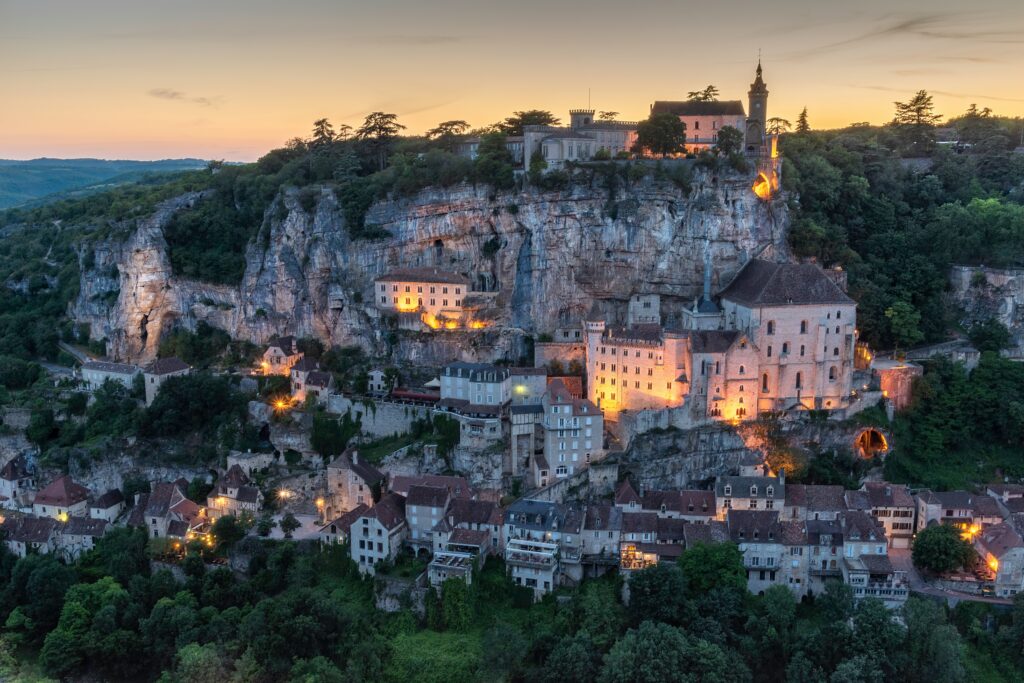
For expats looking to live out their golden years in France, a relaxed pace of life, beautiful landscapes, and rich culture are often high priorities. Provence offers charming streets, sunny weather and a calm pace of life. The Dordogne and Lot regions tick the box for countryside living, while Brittany and Normandy are ideal, with small, welcoming towns, coastal views and rugged landscapes.
Areas to avoid in France
France is generally a safe country to live in, but expats are advised to exercise caution in some places. Additionally, language barriers and access to certain services may make things more challenging in rural areas.
Industrial towns and regions with struggling economies may be best avoided in the early days of your stay in France. With limited job opportunities and limited access to key services, the initial part of your time in the country may be difficult. Many cities tend to be a draw for expats, and while they are generally safe, certain neighbourhoods in Paris, Marseille and Lyon may be best avoided due to above-average crime rates.


Do I need a visa for France?
Citizens of EU countries can move to France and live there indefinitely without a visa or residence permit. However, if staying longer than three months, they may need to register locally and meet specific conditions to extend their stay.
For those from non-EU nations, visa requirements depend on nationality. Citizens of visa-exempt countries like the USA, UK, Canada, Australia and Japan can visit France and the rest of the Schengen Area for up to 90 days in any 180-day period without a visa. This is purely for tourism or business trips and does not allow visitors to work, study or live in the country long-term. Citizens of non-EU countries that are not visa-exempt must apply for a visa before entering France, even for short visits.
Anyone planning to stay in France for more than 90 days must apply for a long-stay visa before travelling. In many cases, this will be the Visa de long séjour-valant titre de séjour (VLS-TS). This acts as a temporary residence permit and must be validated within three months of arrival. You’ll be eligible to stay in France for a year, but for longer stays, you must apply for residence through the local prefecture.
France visa types for expats
There is a range of visas expats can use for a stay in France. The visa you require will depend on your circumstances.
- Long-stay visa (VLS-TS): The most common visa for expats staying in France for longer than 90 days. Usually acts as a temporary residence permit for the first year and must be validated within three months.
- Employee work visa: For those employed by a French employer before moving.
- Self-employed or entrepreneur visa: For freelancers, business owners, or entrepreneurs planning to start or run a business in France.
- Student visa: For international students accepted onto a course in a French university or educational institution.
- Family reunification visa: For those joining family members, spouses or partners who already live legally in France.
- Visitor visa (long-stay): For retirees or those who do not need to work but wish to live in France
- Talent passport visa: A specialist multi-year residence permit for highly skilled workers, researchers, investors, artists or entrepreneurs.
Most visas provide a pathway to residency, and expats should remain aware of the varying costs and requirements for each visa type. A long-stay visa, for example, can cost as much as €225 with an additional €75 validation fee. You’ll then have an additional €200 (approx.) to pay for your residence permit to extend your stay beyond the year. Regardless of visa type, you’ll need ID, proof of income or employment, and valid health insurance.
Residency permits in France
You’ll need a residence permit in France if you stay for longer than a year. These permits, known as titre de Sejour allow you to live in France legally. Many long-stay visas, such as the VLS-TS, act as temporary residence permits for a year, but a full permit is required to stay longer.
There are different types of residence permits in France, and like visas, they depend on your situation. They last for 1-4 years with the option to renew.
To apply for a residence permit, you’ll need:
- Passport (and visa if applicable)
- Proof of accommodation in France
- Valid health insurance
- Proof of finances
- Proof of employment or purpose of stay
- Proof of arrival in France
- Marriage or birth certificate (not always required)
Job opportunities in France
If you have the right to work in France and don’t already have employment through your current employer or a new French employer, you may face some challenges. The language barrier can prove to be a hindrance, especially if you don’t speak French at all or only have very limited knowledge of it. Furthermore, employers often expect a CV in French and English.
However, this shouldn’t deter you. The hospitality and tourism sectors are a great route for non-French-speaking expats to immerse themselves in the culture and learn the language as they go. English teachers are also in demand, so teaching English as a foreign language can be considered.
For French-speaking expats, careers in IT, accounting, engineering, HR, sales, healthcare and marketing will, according to reports, remain in-demand sectors over the next ten years.
For 2026, the minimum wage in France, also known as the Smic, has been set at €12.02 per hour. This sets a monthly gross wage of €1823.03. This positions it among the small number of countries where the minimum wage earns an employee more than €1,500 per month.
The average monthly wage in France is approximately €3,600, which places it above Spain and Italy but below Germany and comparable to the UK. There are clear regional and sectoral variances, with Paris and Île-de-France often offering the largest salaries and rural areas the lowest. Sectors such as hospitality and manufacturing are among the lowest paid, with technology and finance at the higher end of the scale.

Tax in France
When moving to France, understanding the tax system is essential. It works a little differently from what you may be used to in your home country. France taxes residents on worldwide income, with tax calculated on a household basis under the fiscal foyer system.
This can benefit families, as the overall tax burden is distributed across household members. The income is split into shares, with, for example, a single person representing one share, a couple representing two shares and a couple with two children representing three shares. Your household income is then divided by that number of shares. A share value of €11,497 or less pays no tax, with tax being paid at a progressive rate from 11% to 45% based on the share value. This means a family with a household income of €540,882 could pay less tax than an individual earning €200,000.
You’ll also have to make social security contributions of approximately 20%-25%, although these amounts can vary. Furthermore, if you are not a resident for tax purposes, all French income is taxed between 20% and 30%.

Opening a Bank account in France as a foreigner
As a non-citizen, you can open a bank account in France. There are plenty of options to choose from, with BNP Paribas and Credit Agricole among the most popular. All you need to do is visit your local branch, complete an application form and provide the relevant information. This would normally include:
- Valid ID
- Proof of employment
- Proof of address in France
- Your visa/residence permit
Some banks may require further information, and in many cases, you may be asked to have certain documentation translated into French.
Card payments remain the leading payment method in France, with cash making up around 10% of all transactions. That said, independent retailers and services in remote areas may prefer cash over card. Contactless is used widely. You can spend up to €50 without inserting your card, but some devices allow you to pay more than this amount, provided you also enter your PIN once your card is tapped.
Cost of living in France
France has a varied cost of living. Cities such as Paris are expensive, although mid-sized cities like Rennes or Dijon deliver good value for money. Rural areas are by far the cheapest to live in, and when compared with equivalent areas in the UK, they offer exceptional affordability. Overall, the cost of living in France is generally lower than in the UK and the USA, but is more expensive than in Italy and Spain.
Wages
The minimum wage in France was recently increased to €12.02 per hour, making France one of only a few countries where the minimum wage earns you more than €1,500 per month. Unfortunately, the high tax rates mean your wages may have to go much further than they would in the UK, Germany, Spain, Italy or many other European countries. However, many in France accept these significant deductions because they contribute towards a great healthcare system and comprehensive retirement and unemployment benefits.
Property prices
Property prices in France vary greatly across the country. A small apartment in the heart of Paris can easily cost the same or more than a 3-4 bedroom family home in some towns or villages. Perhaps surprisingly, properties in the South of France can be as much as 50% cheaper than in Paris and in Dordogne, they can be cheaper still.
At the time of writing, the average price of a property in France is €270,000. That said, it’s very easy to find a home for less than €100,000 in the Limousin region and in the city of Saint-Etienne. Compared to the UK, property prices are generally lower in France, and it’s often been mentioned how, in rural areas, you can buy a house for the same price as your apartment deposit back in the UK.
Utility prices
Utilities are generally cheaper in France than in the UK, largely because widespread nuclear energy production keeps electricity bills down. Gas bills and water are comparable with those of many countries in Europe, but thanks to the cheaper electricity costs, you can be almost €100 better off each month. However, many homes in France use electricity for heating, whereas properties elsewhere may rely on gas. This could lead to higher electricity bills but lower gas costs.

Public transport in France
France has a trusted and widely used public transport system. Cities like Paris, Lyon and Marseille are all well served by a comprehensive network of reliable and affordable trains, trams and metros. Monthly passes that give unlimited access can cost as little as €100. Regional trains (TER) are also available but are a little more expensive.
Childcare costs in France
Childcare costs in France can be affordable, but much depends on your household income or quotient familial. Demand in larger cities for childcare places is high, with parents often only having immediate access to high-cost facilities. Public creches can be an affordable option with costs as low as €3 per hour. Private daycare centres are also available with fees ranging from €600 to €1,200 per month. To help with costs, PAJE and various tax benefits can ease the financial burden.

Living expenses in France
Using the latest Numbeo data, we’ve highlighted some common expenses in France and compared them to those in one of Europe’s most expensive countries, the UK.
| Item | Cost in France | Cost in the UK |
| Monthly utility bills | €190 | €278 |
| Monthly childcare (private) | €751 | €1478 |
| Rent (1 bed city centre) | €774 | €1174 |
| Standard mobile plan | €19 | €15 |
| Broadband | €30 | €37 |
| Groceries (basic shop) | 74 | 50 |
Buying or renting property in France
Before moving to France, you’ll need to organise a place to live. Rental and homeownership are both options for expats. You don’t need to be a citizen, meaning the process can be quite simple.
Renting property as an expat
Renting is common in France, with a little under 40% of the population opting to rent rather than buy. Costs vary greatly by region, with Paris, of course, being the most expensive place to rent a home. It’s quite possible to rent a property in Montpellier for at least 50% of the price that the same accommodation would cost in the capital city.
The rent process is quite easy. Choose whether to go directly through a landlord or through an agent immobilier. Just be aware that while a landlord is a cheaper option, it may not be as secure as using an estate agent.
Regardless of the option you choose, you’ll likely need to provide a dossier de location. This will include:
- ID
- Proof of earnings
- References
- Occasionally, a guarantor
If your application is successful, you’ll pay the first month’s rent and a deposit. The deposit is capped at one month’s rent for an unfurnished property and is returned one to two months after your contract ends.
Buying property as an expat
Buying a home is a popular option for expats in France, but you can face several obstacles, notably, the time it takes for the legal work to be completed. You can find your new home through an estate agent or an online portal, and once you are happy. You can follow some simple steps:
- Make an offer: Known as the offer d’achat, make an offer to the seller via your estate agent.
- Sign a preliminary agreement: You’ll see this referred to as compromise de vente or promesse de vente. This will outline the terms of your sale.
- Pay a deposit: This is normally about 5-10% of the property value.
- Complete the cooling-off period: You have 10 days after paying the deposit during which you can legally withdraw from the purchase.
- Complete legal checks: A notaire will verify the purchase and check all legal paperwork.
- Sign the deed of sale: Both parties sign an acte de vente at the notary’s office, and the buyer gets the keys.
Other costs also apply and can amount to 6%-8% of the property value, or 2%-3% if a new build. One challenge expats may face is the mortgage. Foreign buyers may be required to pay a higher deposit or face more stringent checks when applying.

Healthcare system in France
The healthcare system in France is well known for its high standards in both the public and private sectors. Expats living in France must have health insurance before arrival in the country. Private insurance is not available for French residents; instead, they supplement public coverage with a Mutuelle for private care. For those not enrolled in the French system, private health insurance is available; however, once eligible for the public system, a Mutuelle is the only way to enhance healthcare coverage.
Out-of-pocket expenses are generally low with generous subsidies available. It is worth noting that the full cost of medical treatment is not covered, with reimbursement rates varying by treatment. Our guide to health insurance in France dives into more detail.

Schools in France
Education in France is compulsory for children from the age of 3 to 16. Expats can register their children for public or private schools, but should be aware that with the public system, schools are allocated by catchment area. You simply attend your local town hall with ID, your child’s birth certificate, vaccination records and previous school reports, and once approved, you will be allocated a school.
The public school system in France is very good. However, the structure of the school day and the lack of sporting or creative elements in the curriculum often leave expat parents wanting more. That said, diving into French culture, integrating with the wider community and learning the language are all extremely beneficial.
Private schools remain an option and follow the same curriculum as the public sector. International schools in France are often the most popular for expats. With English-led lessons, settling in can be smooth, and with smaller classes, it can be less intimidating. You’ll find a wide range of international schools in Paris, Lyon, Marseille, Toulouse, Montpellier, Nantes and Lille.

Is France a safe place to live?
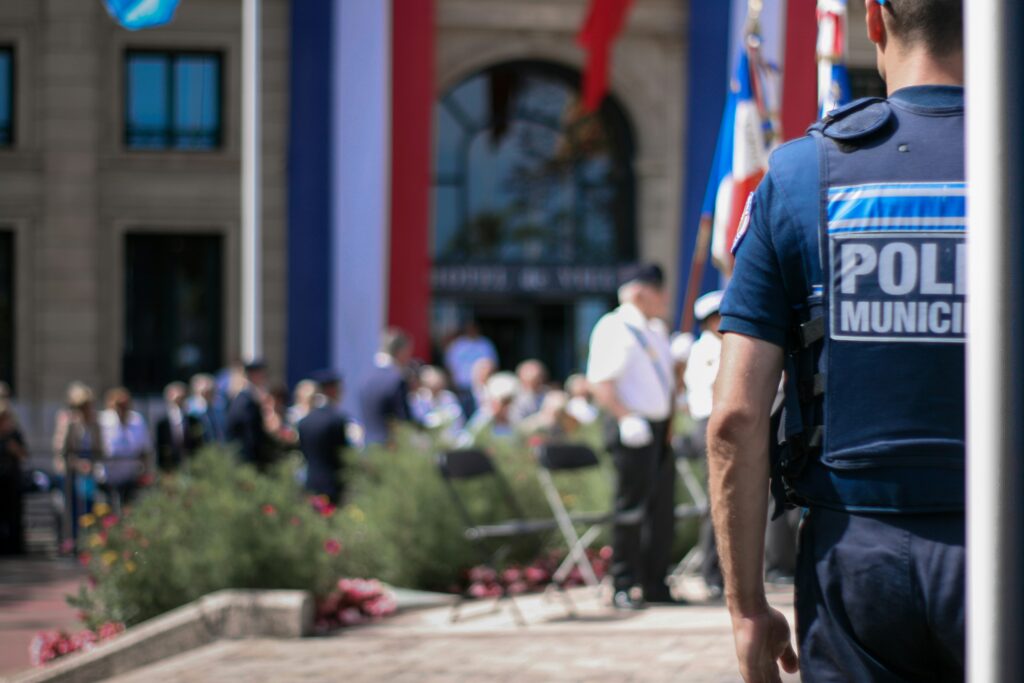
France is generally a safe place to live, with violent crime relatively low compared to global averages. Petty crime is common, especially in specific neighbourhoods or areas of popular tourist destinations such as Paris, Marseille and Nice.
Small towns and rural areas tend to have lower crime levels, with a community-oriented environment helping to keep things peaceful.
Regardless of location, expats are advised to take care of their personal possessions, especially in crowded areas or on public transport.
If you need to report a crime in France or request emergency assistance, you can call the Europe-wide emergency number, 112, or dial 15 for ambulance, 17 for police or 18 for fire services. Response times are normally fast, and call handlers may offer English-speaking support. That said, it is advisable to learn some French to help in such situations to ensure the appropriate support is provided.
Common challenges encountered by expats in France
Moving to a new country can be challenging, and it’s not just about finding a job or securing school placements. Cultural differences and language barriers can make settling into the French way of life difficult.
Language in France
French is the primary language in France, but English is widely spoken in the major cities. Whilst this can be beneficial, it is worth noting that in rural areas or smaller towns, the prevalence of English speakers can be significantly less.
Cultural differences
France is a hotbed of cultural infusion, but there are key differences expats should note. Politeness is expected everywhere. For example, failing to greet or thank a shopkeeper when entering or leaving the store is considered rude.
A huge emphasis is put on food, and you may not notice as much “on-the-go” eating as you would elsewhere. Instead, meals are sacred, with 2 hours or more often dedicated to lunch and dinner.
You’ll also find that there’s a lot of paperwork. From permits to taxes and more. Nothing is quite as straightforward as you may have thought.
You will also notice that conversation can be direct, but nuanced. This can take some adjusting to.
Etiquette to be aware of
Etiquette plays a key role in France. Punctuality, politeness and respect are expected. From arriving on time for appointments to addressing people correctly, it all matters.
Greet someone with a handshake in a work environment, but use cheek kisses among friends and acquaintances.
You should also remember to use the correct form of “you”. In a work environment, around elders or with strangers, always use “vous”. When with friends, family or children, always use “tu”.
You also need to remain aware of personal space. The French people appreciate more personal space than people in many other cultures, and getting too close can be seen as intrusive.
Work-life balance
There is a tremendous focus on valuing personal and leisure time in France. The standard workweek is 35 hours, with lunch breaks often extending to 2 hours. Overtime exists but is not as common as it is in many other countries. You’ll also notice a respect for work/personal life boundaries from employers.
There are five weeks of paid holiday as well as the national holidays, providing plenty of opportunities to enjoy all France has to offer.
Weather in France
France has a typical European climate with the four seasons reflecting much of what you find elsewhere on the continent. Southern areas are, as you’d expect, warmer than those in the north, with Provence and the Riviera enjoying 30ºC+ in summer months while Paris averages around 25ºC. May and June are nice months for enjoying outdoor activities without it being too warm. January and February, on the other hand, are unlikely to see temperatures rise above 7 °C, and in some areas, snow is frequent, allowing winter sports fans to enjoy their hobby.
| Month | Jan | Feb | Mar | Apr | May | Jun | Jul | Aug | Sep | Oct | Nov | Dec |
| Avg max Temp (c) | 6 | 7 | 11 | 14 | 18 | 21 | 24 | 23 | 20 | 16 | 10 | 7 |
| Sunlight (hrs) | 2 | 3 | 4 | 6 | 7 | 7 | 8 | 7 | 6 | 4 | 3 | 2 |
Public holidays in France
In 2026, there are 11 main public holidays. These days, known as jours fériés, are as follows:
- 1st Jan (New Year’s Day)
- 6th April (Easter Monday)
- 1st May (Labour Day)
- 8th May (VE Day)
- 14th May (Ascension Day)
- 25th May (Whit Monday)
- 14th July (Bastille Day)
- 15th Aug Assumption of Mary
- 1st Nov (All Saints’ Day)
- 11th Nov (Armistice Day)
- 25th Dec (Christmas Day)
Useful resources for expats
- Ministry for Foreign Affairs: https://www.diplomatie.gouv.fr/en/coming-to-france/requesting/a/visa
- France visas: https://france-visas.gouv.fr/en
- Titles and residence cards: https://www.service-public.gouv.fr/particuliers/vosdroits/N110?lang=en
- Expat forums for advice and support