Health Insurance France
Our expat guide to the healthcare system and health insurance in France

France is widely accepted as having one of the best healthcare systems in the world. With residents able to choose from excellent public or private care, access to a wide range of medical services is made available to most of the population. The universal healthcare system, known as Securité Sociale (Social Security), provides healthcare coverage for all who contribute, but long waiting times mean that many expats and French citizens opt for private coverage to complement their public care.
For those moving to France, a clear understanding of how the healthcare system works, how to register for it and how insurance is beneficial is essential. This guide explains the public and private French healthcare systems, so you can access the right care when you need it most.
Public healthcare in France
Public healthcare in France delivers excellent levels of care and a wide range of services to all French residents, including expats. Those staying short-term are unable to benefit from the comprehensive coverage and must use a GHIC/EHIC or opt for private health insurance instead.
The quality of care within the French public system is widely accepted as being of an excellent standard, with world-class facilities and specialist staff offering a broad range of treatments. It is not uncommon to find overcrowded facilities as people make use of free/low-cost healthcare, and waiting for treatments can often be significant.
Costs for eligible patients are low. It has been acknowledged that only 7% of healthcare costs are out of pocket, with the remainder heavily subsidised. However, it is important to understand that public healthcare in France does not cover the entire cost of medical expenses. Instead, it operates on a Co-pay and reimbursement basis. Patients may initially pay for treatment and then claim back full or partial amounts from L’assurance maladie – the French national health fund – based on base rates for each treatment. The amount that can be reimbursed depends on the medical service required. For example, general medical consultations are reimbursed at 70% of the base rate, whereas hospital stays are reimbursed at 80% for stays up to 30 days and 100% from day 31 onwards. Those ineligible for the public system must use private healthcare and pay out-of-pocket.
Getting registered for public healthcare in France is easy, but it is not available to everyone. Those staying short-term, or spending less than six months in the country in any given year, are not eligible to use the public system and must use private healthcare. If, on the other hand, you are planning to settle in France, you’ll need to have been living there for at least three months before being eligible. If you meet this criteria, you’ll need to visit your local CPAM to register for a Social Security number via PUMA (Protection Universelle Maladie). Bring your passport, proof of address, proof of income and something to prove that you’ve been living in France for three months or more. At the same time, you can register for your Carte Vitale (National Health Card). This card is essential as it enables costs to be billed directly to the system rather than the individual. That being said, some payments may often be required up front, with reimbursement claimed afterwards.
Does France have free healthcare?
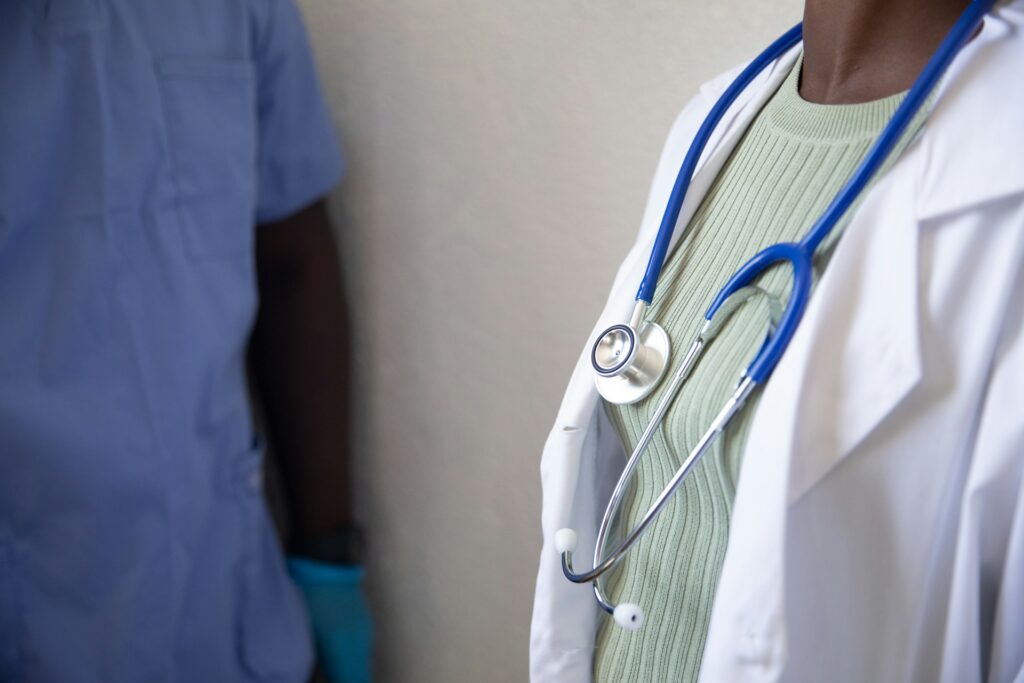
Healthcare in France is not strictly free but is funded through taxes and social security contributions. The public health insurance system, l’assurance maladie, reimburses between 70% and 100% of medical costs depending on the treatment and individual circumstances. GP visits, surgery and hospital care are largely covered, and even some alternative therapies, such as homoeopathy and acupuncture, may be included.
Visitors staying short-term are not entitled to universal healthcare, though reciprocal agreements with certain countries allow reduced-cost access. Emergency care is available to everyone, but non-EU visitors or those from countries without agreements may need to pay upfront or show proof of insurance. Holders of an EHIC or S1 generally have emergency care covered, though co-payments may apply.
Some treatments are excluded from public coverage, including orthodontics, non-medical cosmetic procedures and much dental work, or are reimbursed only at low rates. To bridge these gaps, most residents take out supplementary private insurance, known as mutuelle, which offers broader coverage and reduces out-of-pocket costs.
Private healthcare in France
Private healthcare in France offers expats the option to enhance their healthcare coverage with a broader range of services, higher levels of comfort and considerably shorter wait times. With modern facilities, private rooms, and multilingual staff, expats often prefer using private healthcare.
The costs for private healthcare will vary depending on the treatment required. A simple appointment with a GP can cost €25 to €60, whereas major surgeries can range from €2,000 to €10,000 or more. With l’assurance maladie, you’ll be able to cover a percentage of these costs, with the rest expected to be out of pocket. A private healthcare top-up, or mutuelle, is essential. That way, any additional costs are covered, and if extra treatments or tests, not under the public system, are required, you can remain safe in the knowledge you won’t be footing the bill.
France has many world-leading private hospitals and clinics providing expats with excellent levels of care and service. Institut Hospitalier Franco-Britannique (IHFB) in Paris, the American Hospital of Paris, Ramsay Sante (nationwide), Sante Atlantique near Nantes and Saint Gregoire near Rennes are among the most well-known.



Health insurance for expats in France
Expats must have a form of health insurance in France. This can be either through the French social security system or through supplementary private health insurance. Many people use the public system and top it up with a mutuelle. This supplementary cover is not mandatory but is recommended as it provides more comprehensive coverage and reduces out-of-pocket expenses.
Private health insurance plans are not available as standalone products for French residents. Instead, a mutuelle must be purchased as a top-up to the coverage provided by the government. Those not eligible for public healthcare can obtain private expat health insurance policies, but once they become eligible for the public system, a mutuelle is the only way to enhance healthcare coverage.
Private plans for those unable to use l’assurance maladie, and mutuelles for those topping up public healthcare, guarantee that hospital stays, surgeries, specialist treatments and more are all covered. However, exclusions can often apply. With a mutuelle, the full cost of a private room is not typically covered within a basic plan, and it is rare to find cosmetic or aesthetic procedures included in any policy. Stand-alone private health insurance for those not currently enrolled in the French system will also have limitations, so it is always wise to review the policy before committing to it.
Costs for a mutuelle will vary, and are determined by the type of coverage you choose, along with your age, medical history and whether any extras are required. Basic plans, for example, are the most affordable and offer comprehensive coverage, although some smaller treatments may be excluded. For these, you can expect to pay €30 to €50 per month. Mid-level plans are a little more comprehensive and may include dental and optical care, and will creep closer to €100 per month. The most comprehensive plans will cover everything, including private room surcharges, elective surgeries and more. These plans may cost up to €150 per month. If you are not eligible for a mutuelle and must take a standalone private plan, prices will be based on your individual circumstances and coverage requirements.
Pharmacies and medication in France

Pharmacies are common in France. In most towns, you’ll find pharmacies open Monday to Saturday from 830am-730pm with a two-hour closure for lunch at midday. Each area will have a nominated pharmacy open on Sunday and operating after-hours services. This can rotate, so check the windows of other pharmacies in the area to see which one provides an additional service or call 3237 for pharmacy information. Many medications, such as flu remedies and common painkillers, are available over the counter, but some commonly found OTC in other countries are prescription-only in France. Pharmacies will only accept valid EU prescriptions or those from a French doctor, so it may be best to book a GP appointment upon arrival to obtain a new prescription.
To fill your prescription, take it to the pharmacy and hand it over to the pharmacist. They will review the prescription before handing over the medicine and give dosage guidance. All prescriptions must be paid for in France. The costs will vary depending on the medication and your insurance coverage. The amount you can claim from l’assurance maladie will be 15, 30, 65 or 100% of the prescription costs.
For those not yet eligible for public healthcare, you’ll be expected to pay full price for your medication and then claim it back on your insurance later.
Hospitals in France
Public vs private hospitals
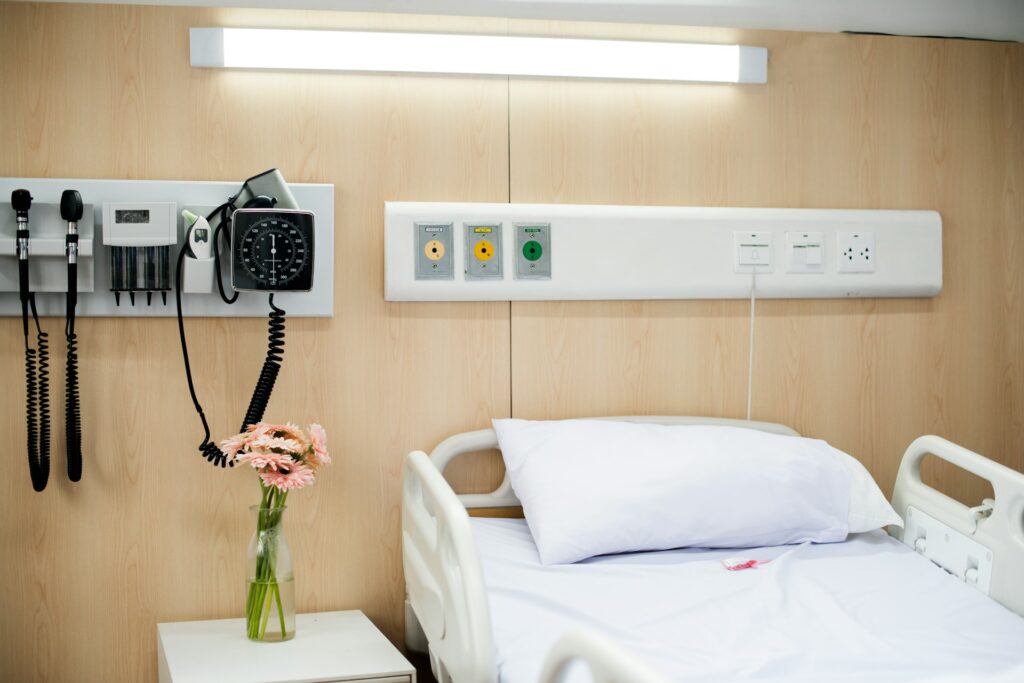
France offers both public and private hospitals, each delivering high levels of care. The Hopitaux (public hospitals) and Cliniques (private hospitals) are both state-approved and work under the healthcare system in France, meaning a patient can be referred to either. The public facilities provide a wide range of services, but do lack the comfort and wider choice of specialists you’ll find in private hospitals.
Quality of hospitals in France
The quality of hospitals in France is of a high standard, with many obtaining the prestigious JCI accreditation. Modern facilities are accompanied by bilingual and well-trained staff and provide excellent care in both the public and private sectors.
English-speaking staff in French hospitals
English-speaking staff can be found in many hospitals across France, especially in larger cities like Paris, Lyon and Nice. A language barrier may be more common in rural areas, and some public facilities may have limited English-speaking staff; however, basic-level English is commonly found throughout the country. Private facilities have a wider range of bilingual staff, and some have dedicated spaces for international patients with interpreter services and multilingual patient assistance. Hôpital Foch, American Hospital of Paris, IHFB and Adolphe de Rothschild Foundation Hospital are all known for having English-speaking staff
Top hospitals in major cities
World-class hospitals can be found throughout France, with leading facilities found in many cities. Pitié-Salpêtrière University Hospital in Paris is consistently ranked as one of the best in the country, whilst Hôpital Claude-Huriez in Lille is one of the most recognised in Northern France. Pellegrin Hospital in Bordeaux, Gustave Roussy in Villejuif and the American Hospital of Paris are also well-known for specialist care and advanced treatments.
Services offered in hospitals in France
Hospitals throughout France provide a range of services, including emergency care, maternity care, surgery and diagnostic testing. Some facilities, such as Gustave Roussy, are recognised as leaders in particular specialisms such as oncology or cardiology.
Hospital admission process
To be admitted to a hospital in France, you’ll typically need a referral from a GP or specialist for non-emergency treatments. You’ll need your passport, Carte Vitale and the referral from your GP. In private hospitals, referrals aren’t mandatory, but may be required. In most cases, you contact the hospital directly and schedule an appointment. For emergencies, both private and public facilities accept walk-ins.
Costs of healthcare in French hospitals
The costs of healthcare in French hospitals are heavily subsidised thanks to the way it operates. Hospital stays are paid for upfront, with between 80% and 100% of the cost being reimbursed if you hold a Carte Vitale. If you are ineligible for cover, all expenses are paid out of pocket and then claimed on your insurance. Costs in private hospitals are significantly higher than in public hospitals, and whilst l’assurance maladie will cover the same percentage as it would in a public facility, the remaining percentage will cost you more unless you have a good mutuelle.
Facilities and comfort
Private healthcare facilities in France are of an exceptional standard in most cases. With private rooms and hotel-like amenities, they provide a premium level of service for patients. Public facilities are still of excellent quality, but do not offer the same luxuries found in the private hospitals.
Healthcare insurance acceptance
All hospitals in France will accept private healthcare, whether it is a mutuelle to top up your public healthcare or a standalone plan if you are ineligible for state healthcare. If you have a mutuelle, the hospital will, in most cases, bill the insurer directly. Occasionally, payments are required upfront with claims made afterwards. If you hold a standalone plan, you may be required to pay upfront, depending on whether the hospital has a direct billing agreement with your insurer.
France emergency services
Emergency services in France are efficient and reliable. Most emergency response services are managed by SAMU, a government organisation. You can contact them by calling the EU emergency number, 112 or the local emergency number for SAMU ambulances, 15. In most cases, the call handler will speak French, so it may be beneficial to learn some key French medical phrases.
The ambulances are well-equipped and will have both doctors and paramedics on hand to provide immediate assistance. In some cases, private ambulances may be used for non-emergency transport.
To aid paramedics and emergency care specialists at the hospital, expats should keep medical information and insurance records to hand for a smoother and more appropriate level of care.
Vaccinations in France
Before travelling to France, expats should ensure they are up to date with all routine vaccinations such as MMR and DTP. Other vaccinations, such as those for Rabies and TBE, are recommended for some travellers, but this depends on which areas of the country you are visiting.
There are no other vaccine guidelines at present, but you should consult your GP 6-8 weeks before travel to learn more, as entry requirements can change frequently.
Common health risks in France
France is generally seen as a country where people experience overall good health. The excellent health system helps people maintain good levels of general health and actively promotes healthy living. However, there can be some health risks. In Southern France, for example, temperatures get very high during the summer months, leading to increased exposure to UV rays. As a result, sun protection is essential.
In some cities – Paris in particular – respiratory issues exacerbated by air pollution can be common. COPD, asthma and other lung conditions may all develop without taking preventative measures.
The other risk expats should remain aware of is Lyme Disease. Whilst not a risk across the entire country, those working or living in wooded areas and forests may put themselves at additional risk. Wear suitable clothing, use insect repellent and seek medical attention if you get bitten.
Tips for staying healthy in France
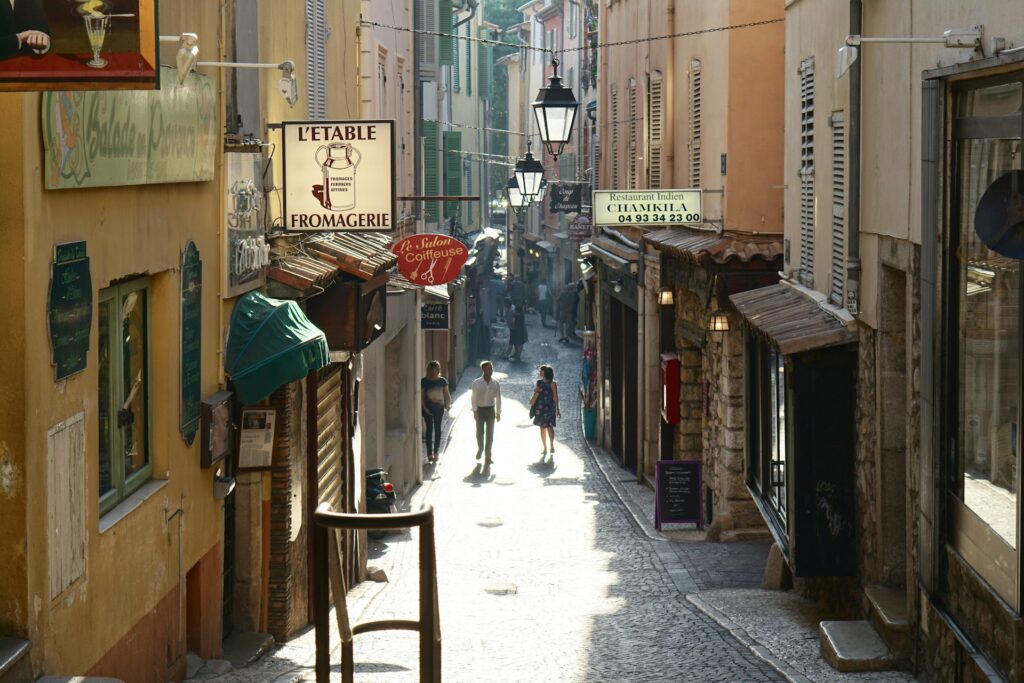
When you are in France, you’ll want to enjoy your time there, and staying healthy can help you do that. Find some tips below that will help:
- Avoid prolonged sun exposure, especially in the South of France, where temperatures can get very high in the summer months. Wear sunscreen, sunglasses and hats.
- Monitor air quality, especially in big cities or industrial areas. Limit outdoor activity to when the air quality is at its best.
- Register with PUMA as soon as possible to receive your Carte Vitale.
- Have a first aid kit at home and in the car.
- Keep up to date with vaccinations and follow any government health advice.
Useful resources
- Emergency number for medical assistance: 112 or 15
- French National Authority for Health:https://www.hassante.fr/jcms/pprd_2986129/en/home
- France expat forums for community advice:
Disclaimer
For informational purposes only
The content in this guide is for general informational and educational purposes only. It does not constitute legal, financial, tax, or medical advice.
Accuracy and currency
Regulations and laws change frequently. While we strive for accuracy, we make no guarantees that this information is complete, accurate, or up to date.
No reliance & professional advice
Do not rely on this guide as a substitute for professional advice. Always verify requirements directly with official government sources or qualified advisors before making decisions.
Limitation of liability
To the maximum extent permitted by law, Expatriate Group accepts no liability for any loss, damage, or errors arising from reliance on this information.