Health Insurance Italy
Our expat guide to the healthcare system and health insurance in Italy

Healthcare in Italy is renowned for its high standards, with the country consistently ranking among the top healthcare systems in Europe. The Servizio Sanitario Nazionale (SSN), Italy’s national health service, provides universal coverage, which ensures residents and citizens can access a wide range of medical services at little to no cost. For expats, this means a reassuring level of care that combines modern facilities with a strong tradition of medical expertise.
For those moving to Italy, understanding how the system works and the options available for private healthcare and insurance can make all the difference. Knowing where to access care, what costs to expect, and how language barriers may affect treatment ensures peace of mind and smoother integration into life abroad.
Public healthcare in Italy
Italy’s public healthcare system, the Servizio Sanitario Nazionale (SSN), offers universal coverage and is available to citizens, permanent residents, and many expats depending on your visa or residency status. EU citizens who have a European Health Insurance Card (EHIC) can initially access services, but non-EU expats will usually be required to register with the SSN once they obtain residency. Some visa types, such as work or family reunification visas, require compulsory registration. Students and certain temporary residents might also be eligible but are sometimes required to take out private local or international health insurance instead.
The quality of care within the SSN is generally good, and Italy is consistently ranked among Europe’s leading healthcare providers. There are often modern facilities in urban centres and northern regions, and care is often efficient and waiting times are shorter in this area. However, in the south, resources can be stretched, which can lead to longer delays for non-urgent treatments. Doctors are highly trained, and patients usually receive a high standard of medical expertise, although experiences can vary depending on location.
In terms of costs, public healthcare is not entirely free. Emergency care and many essential treatments are covered, but patients often pay a small fee, known as a “ticket,” for specialist appointments, diagnostic tests, or prescription medicines. The amount will vary depending on your income, region, and type of service, but it’s typically heavily subsidised compared to private healthcare costs. Children, pregnant women, and those with certain chronic conditions are often exempt from the fees.
To register for the SSN, expats typically need to present proof of residency, a valid visa or permit, an identity document, and a codice fiscale (tax code). Registration is done at the local Azienda Sanitaria Locale (ASL), after which individuals are assigned a GP. This doctor will be the first point of contact for most medical issues and will refer patients to specialists when needed.
There are, however, limitations to be aware of. Language can be a barrier, particularly outside major cities, as not all medical staff speak English. Overcrowding in some public hospitals and clinics can lead to long waiting times, especially for non-urgent procedures. In addition, coverage under the SSN might not always extend to certain elective treatments or faster specialist consultations, meaning many expats choose to complement public healthcare with private insurance for greater flexibility and peace of mind.
Does Italy have free healthcare?

Italy does not have entirely free healthcare, but its system is heavily subsidised through the Servizio Sanitario Nazionale (SSN). Most essential medical services are provided at low or no cost to residents, including emergency treatment, hospital stays, maternity care, and GP visits. However, patients are often required to make small contributions, known as “tickets,” for certain services such as diagnostic tests, specialist consultations, and prescription medications.
The cost of these contributions varies depending on income, age, medical condition, and the region where care is provided. For example, vulnerable groups such as children, pregnant women, pensioners with low incomes, and people with chronic illnesses are often exempt from paying these charges.
In practice, this means Italy’s healthcare system is not completely free, but it is very affordable compared to many other countries. Many expats also choose to take out private health insurance to cover areas not included in the SSN, access English-speaking doctors, or reduce waiting times.
Private healthcare in Italy
Alongside the public system, Italy has a well-developed private healthcare sector that many expats and locals use to supplement SSN services. The main advantages of private healthcare include shorter waiting times for specialist appointments and procedures, more comfortable hospital facilities, and greater flexibility in choosing doctors. Many private hospitals and clinics also employ English-speaking staff, which can make communication much easier for expats who live outside the major cities.
In terms of costs, private healthcare is considerably more expensive than public services, although it’s often still lower than in some other Western countries. A routine GP consultation in a private clinic can cost between €50 and €100, whilst specialist visits typically range from €100 to €250. Diagnostic tests, such as MRI scans, can cost €400 or more, and a short hospital stay can run into thousands of euros depending on the level of care and services required.
Some of the most popular private hospitals and clinics in Italy include Rome’s Salvator Mundi International Hospital and Villa Stuart Clinic, the International Medical Center in Milan, and Florence’s Villa Donatello. These facilities are known for high-quality care, modern equipment, and international patient services.
Health insurance is not legally required to use private care, but many expats find it beneficial. Having private medical insurance will help to cover high treatment costs, provide access to a wider network of doctors, and ensure peace of mind should a medical emergency arise. For expats moving to Italy, especially non-EU residents, insurance is often recommended not only for financial protection but also to guarantee faster and more convenient access to healthcare.
Health insurance for expats in Italy
Whether health insurance is mandatory for expats in Italy will depend on your nationality and the visa you apply for. EU citizens can initially rely on their European Health Insurance Card (EHIC) to access public services but might prefer to take out additional cover if they stay in Italy long term. For non-EU expats, proof of private health insurance is often required when applying for certain visas or residence permits, especially for students, retirees, or those who aren’t employed in Italy. Expats working in the country and paying into the national system are generally required to register with the Servizio Sanitario Nazionale (SSN) instead.
When it comes to recommended types of health insurance, expats can choose between local Italian health insurance and international health insurance plans. Local policies are often cheaper but may have limited coverage outside Italy and are usually written in Italian. International plans, while sometimes more expensive, will generally provide greater flexibility, wider coverage (including medical evacuation or treatment abroad), and English-language support. This makes them a popular choice for expats who travel frequently or want additional peace of mind.
Typical coverage of private health insurance in Italy includes inpatient and outpatient care, consultations with specialists, diagnostic tests, surgery, and hospital stays. Many plans also cover maternity care and emergency services. However, exclusions are common and may include pre-existing conditions, elective or cosmetic procedures, and certain high-cost treatments unless specified. Dental and vision care are often offered as add-ons rather than standard benefits.
The costs will vary depending on your age, health, and level of cover. A basic local plan for a healthy adult may start from around €1,000-€2,000 per year, whilst comprehensive policies with worldwide coverage can exceed €4,000 annually. Family plans are higher, but often more cost-effective than buying separate policies.
Expats can buy insurance directly from international insurers, through brokers who compare plans, or via local providers in Italy. It’s advised to carefully compare your options, and ensure the policy aligns with your residency status, lifestyle, and healthcare needs.
Pharmacies and medication in Italy

Pharmacies, or farmacie, are the primary point of access for medications in Italy and are easy to recognise by the green cross sign. Many common medicines, such as pain relievers and cold remedies, are available over the counter, while stronger treatments, antibiotics, and long-term medications will require a prescription from a doctor. Prescriptions in Italy are typically electronic and linked to the patient’s health card, which makes it simple for pharmacists to access records and dispense the correct medicine.
The cost of medication in Italy is generally affordable compared with many other countries. Prescription drugs are heavily subsidised under the Servizio Sanitario Nazionale (SSN), so patients often pay only a small contribution, which varies depending on the type of drug and the region. Some groups, such as children, pensioners, and those with chronic illnesses, may be exempt from these charges. Over-the-counter medications are not subsidised but remain reasonably priced, although expats may find that familiar brand names differ – pharmacists will generally be able to provide advice on alternatives though.
Hospitals in Italy

Public vs private hospitals
Italy has a mix of public and private hospitals. Public hospitals provide affordable care to residents and registered expats, whilst private hospitals and clinics cater to those who want faster access, greater comfort, or English-speaking staff. Larger cities such as Rome, Milan, and Florence have both public university hospitals and prestigious private clinics.
Quality of hospitals in Italy
The quality of hospitals in Italy is generally high, and many facilities meet international standards. Some private hospitals are Joint Commission International (JCI)-accredited and are known for providing world-class treatment. Among expats, Italy’s healthcare reputation is strong, though waiting times in public hospitals can be a drawback.
English-speaking staff in Italian hospitals
English-speaking staff are more commonly found in private hospitals, particularly in major cities. English proficiency can be limited in public hospitals, especially outside urban areas. Some hospitals offer interpreter services, although expats in smaller towns often rely on private care for smoother communication.
Top hospitals in major cities
Rome is home to respected hospitals such as Policlinico Gemelli and private facilities like Salvator Mundi International Hospital. Milan offers top-tier care at institutions like Humanitas Research Hospital and San Raffaele Hospital, which are both well regarded internationally. In Florence, Villa Donatello is a popular private option for expats.
Services offered in hospitals in Italy
Hospitals in Italy provide a full range of services, including emergency care, specialist treatments, surgery, maternity services, and intensive care. The larger university hospitals often serve as teaching and research centres, and offer cutting-edge treatments.
Hospital admission process
A referral from a GP will usually be required for non-emergency cases in public hospitals. However, in emergencies, patients can go directly to the hospital emergency department. Private hospitals allow walk-in admissions for consultations and treatments, although appointments are recommended for specialists.
Costs of healthcare in Italian hospitals
Public hospital care is subsidised, with inpatient and emergency care often provided at little or no cost, apart from small co-payments for certain services. In the private system, costs are significantly higher – outpatient consultations may range from €100 to €250, while inpatient stays and surgery can cost a few thousand euros, depending on the treatment.
Facilities and comfort
Private hospitals typically offer higher comfort levels, including single or VIP rooms with additional amenities. Public hospitals, on the other hand, will often have more basic shared wards. That said, both sectors provide high clinical standards of care.
Healthcare insurance acceptance
Many private hospitals in Italy accept international health insurance, but some require patients to pay upfront and claim reimbursement later. You should look to confirm the payment procedures in advance with both the hospital and your insurer to avoid unexpected costs.
Italy emergency services
In Italy, medical emergencies are handled through the national emergency number 112, which connects callers to police, fire, and medical services. Ambulances are usually dispatched quickly, and patients will be taken to the nearest public hospital’s emergency department, where care will be provided regardless of residency status or ability to pay.
The quality of emergency care in Italy is generally high, although response times can vary depending on the region; northern areas typically offer faster services than rural or southern regions. Expats should be aware that English might not always be spoken by emergency operators or hospital staff, so it can be useful to learn some basic medical phrases in Italian or carry a translation app. It is also wise for expats to carry their ID, health insurance documents, and SSN card (if registered), as this can help streamline treatment and administrative procedures in an emergency.
Vaccinations in Italy
There are no mandatory vaccines for expats moving to Italy. However, it is recommended that routine vaccinations are up to date before arrival. These include measles, mumps, rubella (MMR), diphtheria, tetanus, polio, pertussis, and seasonal influenza. Ensuring your vaccinations are up to date can help you integrate smoothly into the Italian healthcare system and ensure you’re protected against common illnesses.
Once you’re set up as a resident, you’ll be able to access Italy’s national immunisation programme, which offers a range of vaccinations free of charge, and may be particularly relevant for children. This includes protection against meningitis, HPV, pneumococcal disease, and rotavirus, among others.
Common health risks in Italy
Italy does not have major tropical diseases such as dengue or malaria, but there are some common health risks that expats should be aware of. Seasonal flu is widespread during the winter months, and tick-borne illnesses such as Lyme disease can occur in rural or wooded areas, particularly in the north. Foodborne illnesses, including salmonella or stomach upsets, are a risk if food is improperly stored or undercooked, although Italy generally has high food safety standards. Heat-related illnesses such as dehydration, sunstroke, or heat exhaustion are also relatively common in summer, especially in southern regions where temperatures can be extreme.
Preventive measures are straightforward: you should keep your vaccinations up to date, practise good food hygiene, drink plenty of water during hot weather, and use insect repellent in areas where ticks are present. Wearing appropriate clothing and checking for ticks after hiking in rural regions can reduce the risk of bites. If you have a chronic condition, you should take extra precautions during heatwaves, as hospitals can become busier at these times. Overall, while Italy does not pose major unusual health risks, being mindful of seasonal and environmental factors will help you to stay healthy..
Tips for staying healthy in Italy
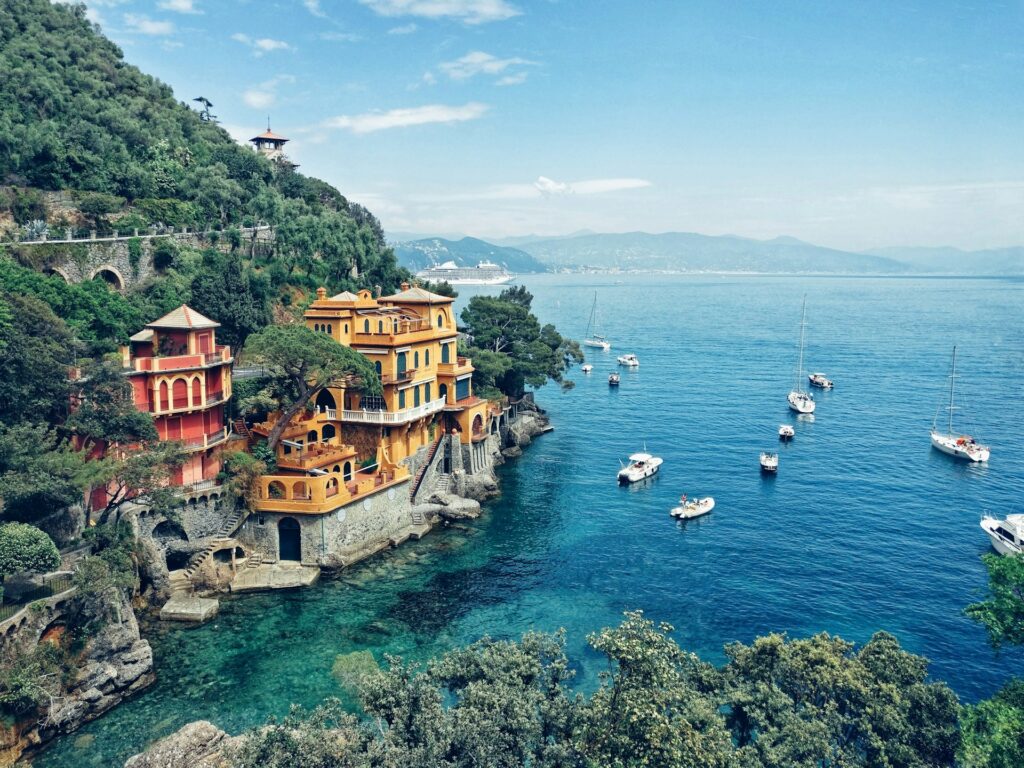
Here are some tips to help expats stay healthy while living in Italy:
- Protect against heat-related illnesses by staying hydrated, avoiding prolonged exposure to the midday sun, and wearing light, breathable clothing, especially in southern regions during summer.
- Use sun protection such as sunscreen, sunglasses, and hats to reduce the risk of sunburn.
- Stay up to date with vaccinations, including routine immunisations and recommended vaccines such as hepatitis A and B, particularly for longer stays.
- Follow safe food practices by eating well-cooked meals, washing fresh produce, and avoiding unpasteurised dairy products to reduce the risk of foodborne illnesses.
- Know emergency numbers – 112 is the national emergency line for medical assistance – and familiarise yourself with the location of the nearest hospital or clinic.
- Keep essential medications and a first aid kit on hand, particularly if travelling to rural or mountainous areas where pharmacies may be less accessible.
- Be aware of tick-borne illnesses in wooded or rural areas; use insect repellent and check for ticks after outdoor activities.
- Prioritise mental health by maintaining social connections, finding ways to manage stress, and seeking support if needed while adapting to a new culture and healthcare system.
Useful resources
- Emergency number for medical, fire, and police: 112
- Italy Ministry of Health: https://www.salute.gov.it/new/
- Italy expat forums for community advice:
Disclaimer
For informational purposes only
The content in this guide is for general informational and educational purposes only. It does not constitute legal, financial, tax, or medical advice.
Accuracy and currency
Regulations and laws change frequently. While we strive for accuracy, we make no guarantees that this information is complete, accurate, or up to date.
No reliance & professional advice
Do not rely on this guide as a substitute for professional advice. Always verify requirements directly with official government sources or qualified advisors before making decisions.
Limitation of liability
To the maximum extent permitted by law, Expatriate Group accepts no liability for any loss, damage, or errors arising from reliance on this information.