Health Insurance Singapore
Our expat guide to the healthcare system and health insurance in Singapore
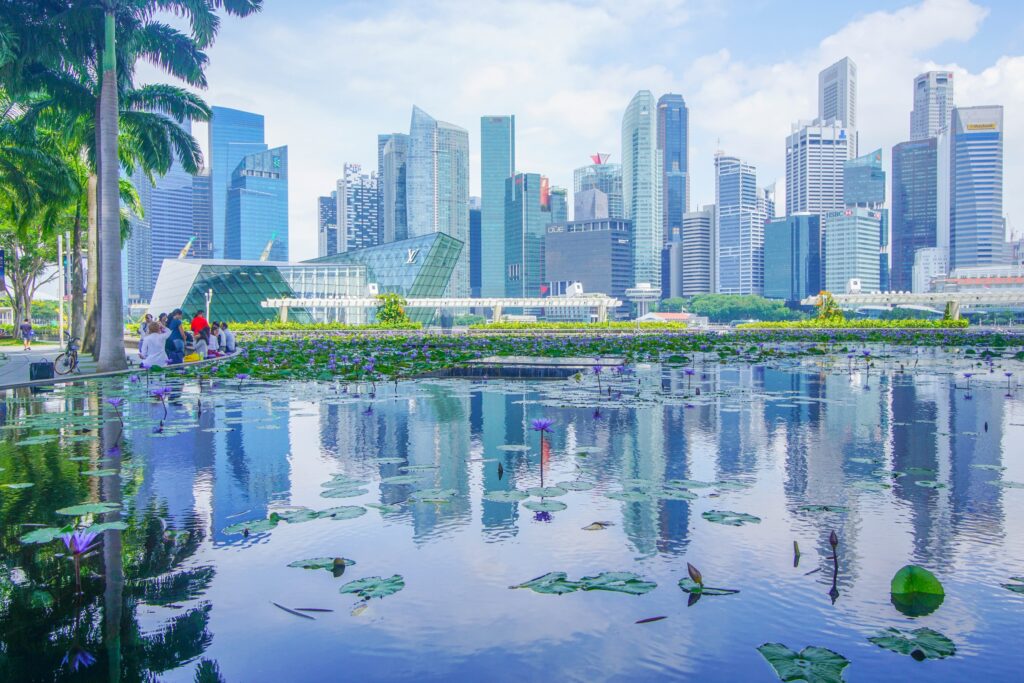
Healthcare in Singapore is recognised as one of the most advanced in the world, with high medical standards, modern facilities and exceptional clinical outcomes across both public and private sectors.
One of Singapore’s greatest advantages is the widespread use of English across hospitals and clinics, which ensures smooth communication for expats during appointments and emergency situations. Accessibility is another strong point, as high-quality facilities are distributed across the island and are easily reached using public transport.
However, the downside of healthcare in Singapore is the cost of medical treatment, which can be substantial for expats, especially those accessing care without insurance.
As an expat, understanding how to navigate both public and private healthcare, billing and insurance coverage before moving to Singapore will equip you to make informed decisions and avoid unexpected expenses.
Public healthcare in Singapore
Public healthcare in Singapore is highly developed and generally regarded as efficient, reliable and technologically advanced. The healthcare system includes polyclinics for everyday medical needs and large public hospitals offering specialist treatment, emergency care and inpatient services. Citizens and permanent residents benefit from government subsidies and mandatory medical savings schemes, but expats without permanent residency unfortunately do not receive these cost reductions and typically pay the full rate for all services. Despite this, expats are welcome to use public hospitals and polyclinics, and many choose to do so because the clinical care itself is excellent.
It’s simple to access public healthcare as an expat as there is no need for lengthy registration processes. You can walk into a polyclinic for primary care or attend the emergency department of a public hospital when you need. However, expect longer waiting times compared to private healthcare, especially when seeking specialist consultations. Many public hospitals require referrals from a polyclinic or GP before you can see a specialist, which can add extra steps and time to your treatment journey.
While English is widely spoken, the experience can feel more formal and less personal than in private facilities. The accommodation in wards may also be less comfortable, particularly in shared rooms. As care is not subsidised, the cost of public hospital treatment may be higher than newcomers expect, making it important to hold adequate insurance or be financially prepared for potential medical expenses.
Does Singapore have free healthcare?

For expats arriving from the UK, one of the first things to understand is that Singapore’s healthcare system works very differently from the NHS. It isn’t funded through general taxation or built around universal coverage. Instead, it relies on a mix of government subsidies, compulsory savings schemes and private insurance – most of which are intended for citizens and permanent residents, not foreign nationals.
Singapore operates on a co-payment model, where locals receive support through schemes such as MediSave, MediShield Life and MediFund. These help reduce treatment costs, but they are not available to most foreign nationals, who are instead expected to pay full charges for consultations, medication, tests and hospital stays.
While public healthcare is often described as affordable, that affordability mainly applies to subsidised patients. For expats, the same treatment can be significantly more expensive, particularly for specialist care or hospital admissions. Public hospitals are still an option, but without insurance the costs can add up quickly.
Private healthcare in Singapore
Private healthcare in Singapore is a popular choice for expats, largely because of its speed, comfort and high service standards. Private hospitals and clinics offer shorter waiting times, easy access to specialists and a more personalised approach to care. Facilities are modern and well-appointed, often compared to luxury hotels, with private rooms, premium amenities and attentive staff. English is widely spoken by doctors and medical teams, which helps ensure clear communication and a smooth experience from consultation to treatment.
The key difference between public and private healthcare is cost. Private care is significantly more expensive, with higher fees for consultations, diagnostic tests and hospital stays. Specialist visits typically cost around SGD 150–300 per appointment, while private or single-bed hospital rooms often range from SGD 800 to 1,200 per day, depending on comfort level. More complex treatments, maternity care and emergency services can quickly become costly without insurance.
Despite this, many expats feel the convenience and quality justify the expense and most major private hospitals work closely with international insurers, offering direct billing that reduces out-of-pocket payments. For those who prioritise efficiency, comfort and seamless care, private healthcare is often the preferred option, provided comprehensive insurance is in place.

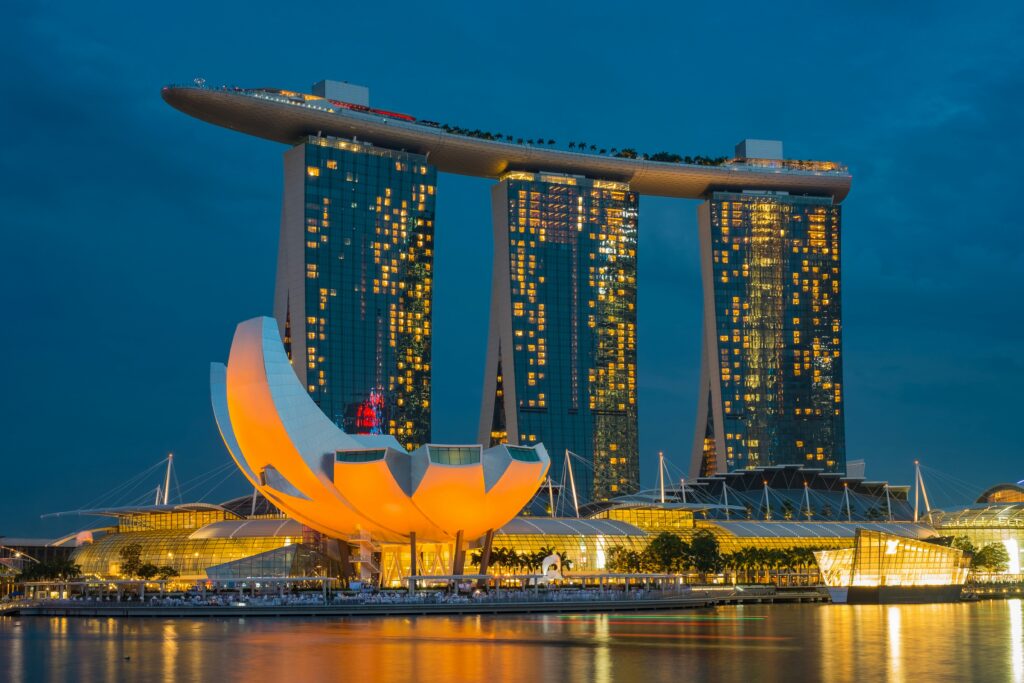
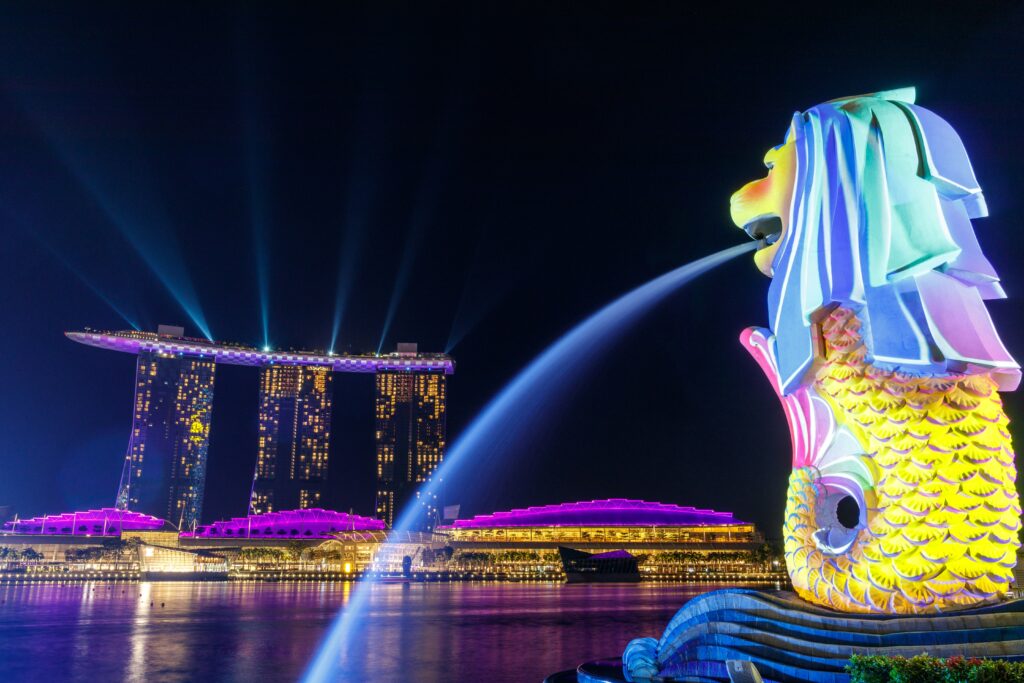
Health insurance for expats in Singapore
Health insurance is essential for expats living in Singapore due to the absence of automatic subsidies and the high cost of both public and private medical care. Unlike locals, expats are not enrolled in the national medical savings system, so they must rely entirely on private health insurance or employer-provided plans. Many companies offer basic medical coverage for their international employees, but these packages often have limitations, such as restricted hospital choices, limited outpatient benefits or no maternity coverage. It is important to review employer policies carefully and consider whether supplementary insurance is needed.
Expats typically choose between local private insurance and international health insurance. Local policies can be a cost-effective solution for those who plan to live solely in Singapore and are comfortable with geographically limited coverage. However, international plans may appeal more to expats who travel frequently, have families across different countries or wish to receive treatment abroad if needed. These plans offer flexibility but tend to be more expensive.
Coverage often includes inpatient treatment, specialist consultations, diagnostics, physiotherapy and optional extras such as dental or maternity care. Exclusions may involve pre-existing conditions or treatments deemed non-essential, depending on the insurer. Premiums vary depending on age, coverage level and prior health history. When purchasing insurance, it is wise to consider direct billing arrangements, coverage limits and whether your preferred hospitals are included in the network, ensuring a smooth experience when seeking treatment.
Pharmacies and medication in Singapore

Pharmacies in Singapore are well regulated and easy to access, often located in shopping malls, residential areas, supermarkets, hospitals and medical centres. They stock a range of over-the-counter and prescription medications. Over-the-counter options cover common issues such as colds, pain relief, allergies and digestive problems, although the selection may be more limited than in the UK and some medicines that are freely available in the UK require a prescription in Singapore.
To obtain prescription medication, you’ll need to see a doctor at a clinic, polyclinic or hospital. Prescriptions can then be filled at most pharmacies or directly at the medical facility. Costs vary, and expats pay full, unsubsidised prices, which can make ongoing or specialist medication expensive. Health insurance that includes outpatient or prescription cover can help reduce these costs.
UK expats should also be cautious when bringing personal medication into Singapore. The country has strict rules around controlled substances and certain ingredients, and some medicines require prior approval. Always check regulations before travelling and ensure medications are clearly labelled and supported by a valid prescription.
Hospitals in Singapore

Public vs private hospitals
Both Singapore’s public and private hospitals maintain excellent clinical standards and advanced medical equipment. Public hospitals are large, comprehensive medical centres, often with longer wait times due to high demand.
However, private hospitals focus on providing faster access to specialists and a more comfortable, hotel-like environment. Expats often use private hospitals for the convenience and personalised service they provide, though this comes at a higher cost.
Quality of hospitals in Singapore
Singapore’s healthcare system consistently ranks among the best in the world and is well-regarded for being clean, modern, and extremely well-run, with many hospitals holding an international accreditation for their safety and quality.
Hospitals offer excellent medical care with highly trained specialists, so patients can expect reliable, efficient, and high-quality treatment in Singapore.
English-speaking staff in Singapore hospitals
Staff in both public and private hospitals in Singapore typically speak fluent English as it is the main working language in their healthcare system. Doctors, nurses and administrative staff will use English for consultations and medical records, helping ensure communication is straightforward for expatriates.
Top hospitals in Singapore
Singapore General Hospital (SGH) is the largest and oldest public hospital in Singapore, with multiple national specialty centres.
Mount Elizabeth Hospital and Gleneagles Hospital are the leading private hospitals, often chosen by expatriates and international patients seeking high-quality private care.
Services offered in hospitals in Singapore
Singapore General Hospital (SGH) offers emergency services, surgery, long-term care and specialised departments covering heart, cancer, eye, dental and more.
Mount Elizabeth private hospital is regarded cardiology, oncology and neurological services, whereas Gleneagles private hospital specialises in orthopaedics, gastroenterology and other tertiary services.
Hospital admissions process
Walk-ins are accepted at many private hospitals for specialist consultations, while public hospitals generally require referrals unless you are attending the emergency department. This can influence waiting times, with public hospitals often being busier, particularly during peak periods.
Cost of healthcare in Singapore hospitals
Basic consultations in the private sector for expats or non-residents often costs significantly more than subsidised public-sector care. For example, a general-practitioner visit in private clinics is typically around SGD 40 – 100, while specialist visits generally range from SGD 120 – 250.
Facilities and comfort
Inpatient care ranges from basic, spacious shared wards in the public facilities to premium private suites in private hospitals. The level of comfort depends heavily on your chosen hospital and room type, as well as your insurance coverage.
Health insurance acceptance
Out-of-pocket payment is common unless your insurance offers direct billing, which many private hospitals accept. Because medical care can be expensive for foreign nationals, even in the public sector, having a comprehensive insurance plan is vital to cover the cost of emergency treatment, surgeries or unexpected hospital admissions.
Singapore emergency services

Singapore’s emergency medical system operates to high standards and is known for its efficiency and professionalism. In a medical emergency, you should dial 995, which connects you to the Singapore Civil Defence Force ambulance service. These ambulances are equipped with trained paramedics capable of providing essential life-saving care while transporting patients to the nearest public hospital emergency department. For non-emergency medical transport, private ambulance services are available.
Emergency departments in Singapore’s public hospitals provide high-quality care, but waiting times depend on the severity of your condition – life-threatening cases are prioritised immediately, while less urgent issues may involve a wait.
Private hospital emergency departments usually have shorter waiting times, but treatment is significantly more expensive. Expats often choose private emergency care for faster access but should be aware that upfront payment may be required.
It’s recommended that expats familiarise themselves with the nearest hospital and keep essential documents, such as insurance cards, identification and contact details, readily accessible.
Vaccinations in Singapore
Singapore itself does not generally require special vaccinations for entry unless you are arriving from a region with particular health risks.
Expats should ensure that their routine vaccinations are up to date before they arrive, and standard immunisations such as tetanus, diphtheria, polio, measles, mumps and rubella are recommended.
As Singapore is a major travel hub for Southeast Asia, expats often make short trips to neighbouring countries where different health risks may be present, so vaccinations such as hepatitis A or B may be advised by doctors depending on your lifestyle or travel frequency. It is advisable to consult a healthcare provider before travelling.
Schools in Singapore may have vaccination requirements that align with national health guidelines, so keeping a clear record of your immunisations will help with school admissions and clinic visits.
Common health risks in Singapore
Expats should be aware of a few common health risks associated with the tropical climate, such as dengue fever, a mosquito-borne illness that can surface in certain areas during peak seasons. While the government maintains strict vector control measures, outbreaks can occur, so it’s important to use mosquito repellent and remove stagnant water around your home.
The heat and humidity can also be challenging, particularly for those arriving from cooler climates and prolonged exposure to heat during the day, without proper hydration, may lead to heat exhaustion or heatstroke. Drink plenty of water, wear light clothing and avoid outdoor activities during peak sun hours to help you stay comfortable and healthy.
While air quality is usually excellent, occasional haze from regional forest fires may affect sensitive individuals so limiting outdoor activity and using air purifiers indoors can help reduce discomfort.
Tips for staying healthy Singapore
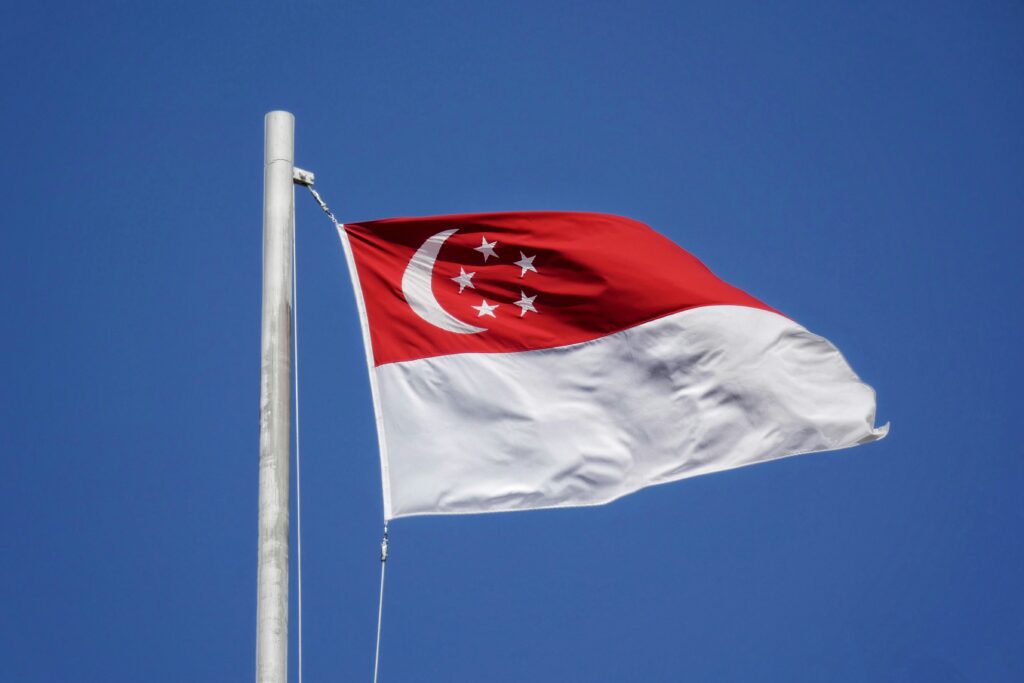
Staying healthy in Singapore is relatively straightforward due to its excellent hygiene standards, clean environment and well-regulated food systems. However, the tropical climate and urban lifestyle present unique considerations for expats.
- Hydration is crucial, as the constant heat and humidity can quickly lead to fatigue or dehydration, particularly for those unaccustomed to such conditions. Incorporating regular water intake into your routine helps prevent heat-related issues and keeps energy levels stable.
- Maintaining a balanced diet is also essential, as Singapore offers a wide variety of fresh produce, international options and healthy dining choices. Regular exercise is easily supported by the city’s extensive parks, gym facilities and walking routes, though outdoor activities should ideally be scheduled during cooler morning or evening hours.
- The occasional haze season may require additional precautions, such as using masks or air purifiers, especially for those with respiratory sensitivities.
- Stress management is another important aspect, given the fast-paced nature of city life. Many expats find that incorporating mindfulness, social activities or recreational hobbies helps maintain mental wellbeing.
- Schedule regular health check-ups and dental visits to ensure that any issues are detected early. Building a relationship with a trusted GP or clinic soon after arrival will help you navigate the healthcare system confidently and maintain good health throughout your time in Singapore.
Useful resources
- Ministry of Health Singapore (MOH): https://www.moh.gov.sg
• Public healthcare information (hospitals, clinics, costs): https://www.moh.gov.sg/seeking-healthcare
• Singapore emergency contact information: https://www.scdf.gov.sg/home/emergency-response/emergency-numbers - Emergency ambulance / fire / life-threatening medical situations: 995
- Emergency number for police: 999
- Private / non-emergency ambulance services: 1777
- If seeking mental-health support or urgent emotional help, you can call the 24-hour helpline of Samaritans of Singapore (SOS) at 1800 221 4444.
Disclaimer
For informational purposes only
The content in this guide is for general informational and educational purposes only. It does not constitute legal, financial, tax, or medical advice.
Accuracy and currency
Regulations and laws change frequently. While we strive for accuracy, we make no guarantees that this information is complete, accurate, or up to date.
No reliance & professional advice
Do not rely on this guide as a substitute for professional advice. Always verify requirements directly with official government sources or qualified advisors before making decisions.
Limitation of liability
To the maximum extent permitted by law, Expatriate Group accepts no liability for any loss, damage, or errors arising from reliance on this information.