Health Insurance Kenya
Our expat guide to the healthcare system and health insurance in Kenya

Kenya’s healthcare system is a mix of public and private providers, with the quality varying significantly between urban and rural areas. In major cities like Nairobi and Mombasa, expats will find a good standard of care in private hospitals and clinics, many of which are equipped with modern facilities and English-speaking staff. However, access to quality care can be more limited outside these hubs, and public healthcare is often under-resourced.
For expats living in or moving to Kenya, it’s important to understand the local healthcare landscape. From choosing the right hospital to knowing when evacuation might be necessary, being informed will help to ensure you and your family can access the care you need when it matters most.https://www.expatriatehealthcare.com/expat-country-guides/health-insurance-kenya/
Public healthcare in Kenya
Kenya’s public healthcare system is primarily designed to serve Kenyan citizens and permanent residents, although expats who have certain work or residency permits might also be able to access it. Services are offered through a network of national and county-level hospitals, health centres, and dispensaries. It operates on a tiered system, with higher-level facilities offering more specialised care.
While public healthcare is generally affordable, and many services are subsidised or free at the point of use, the quality can be inconsistent. Health facilities in Kenya often face challenges such as overcrowding, long wait times, equipment shortages, and understaffing. Urban hospitals tend to be better equipped than those in rural areas, but even in cities, the standards could fall short of what many expats are used to.
To access public healthcare, eligible expats will need to register with the National Hospital Insurance Fund (NHIF). However, even with NHIF cover, not all services will be fully covered, and patients will need to pay out of pocket for certain treatments or medications. Language is generally not a significant barrier in urban centres, as English is widely spoken. However, in more remote areas, communication might be more difficult. Many expats choose international health insurance so they can access private facilities to ensure higher-quality care and greater coverage.
Does Kenya have free healthcare?

Kenya does offer some free healthcare services, particularly at the primary level. Basic treatment is available without charge at many public dispensaries and health centres, especially for children under five, expectant mothers, and those who need treatment for conditions such as malaria, tuberculosis, or HIV. These services are part of government initiatives aimed at improving access to essential care.
However, free healthcare in Kenya is not universal. Most services, particularly those provided in higher-tier public hospitals, are subsidised rather than free. Patients will often be required to pay modest fees for consultations, diagnostics, medications, and hospital stays. These costs are typically relatively low compared to private facilities, but they can still add up, especially for more complex treatments.
Expats rarely rely on the free public system due to concerns about quality, long wait times, and limited resources. Many opt for private healthcare and international insurance to ensure quicker access and a higher standard of care.
Private healthcare in Kenya
Private healthcare in Kenya is the preferred choice for many expats due to the higher standards and efficiency. Private hospitals and clinics typically offer shorter wait times, better-equipped facilities, and more comfortable surroundings compared to public institutions. Many medical staff in private healthcare are internationally trained, and English is widely spoken.
The cost of private healthcare can vary widely depending on the provider and the complexity of treatment. A routine GP consultation may cost between KES 2,000 and KES 5,000 (£10-£30), while specialist consultations, diagnostics, and inpatient care can be significantly more expensive. Major procedures or hospital stays can run into hundreds or even thousands of pounds.
Some of the most well-regarded private hospitals include The Aga Khan University Hospital and Nairobi Hospital in Nairobi, as well as Mombasa Hospital on the coast. These facilities are known for their modern equipment, broad range of services, and quality of care.
Health insurance is strongly recommended for anyone using the private system, as out-of-pocket costs can escalate quickly. International health insurance policies that cover treatment both in Kenya and abroad (including medical evacuation if needed) offer the most comprehensive protection for expats.


Health insurance for expats in Kenya
Health insurance is not mandatory for expats living in Kenya, but it is strongly advised. Some employers might offer basic cover through local providers, but many expats choose to take out more comprehensive international health insurance so they can ensure access to high-quality private care and additional benefits such as medical evacuation.
International health insurance plans are often better suited to expats, as they typically provide broader coverage and access to a wider network of private hospitals. Local plans can be more affordable and suitable for routine care within Kenya, but they can have limited benefits and exclusions that don’t meet the needs of those used to more extensive healthcare systems.
Typical coverage of health insurance in Kenya includes inpatient and outpatient treatment, consultations, diagnostics, surgery, and sometimes maternity and mental health services. Exclusions often include pre-existing conditions, dental and optical care (unless added as extras), and high-risk activities unless specified.
Costs of health insurance will vary depending on the provider, your age, level of cover, and whether global treatment is included. A basic international plan might start from around £1,000 to £2,000 per year, whilst more comprehensive policies can exceed £4,000 annually. Insurance can be purchased directly through providers, brokers, or specialist expat insurance platforms, and you should always compare policies carefully to ensure you’re getting the right level of protection for your needs.
Pharmacies and medication in Kenya

Pharmacies are widely available across Kenya, especially in urban areas, and many are well stocked with both local and imported medications. Common over-the-counter drugs such as painkillers, cold remedies, and basic antibiotics can be easily purchased without a prescription. However, controlled medications and treatments for chronic or more serious conditions typically require a prescription from a licensed doctor.
Filling prescriptions is a straightforward process: once issued by a doctor, you can take the prescription to any registered pharmacy. Most pharmacists speak English, which can help to simplify the process. Medication costs in Kenya are usually lower than in many Western countries, but prices can vary depending on whether you choose generic or branded drugs.
Hospitals in Kenya

Public vs private hospitals
Public hospitals in Kenya are government-funded and accessible to the general population, but they can often face issues such as staff shortages, limited equipment, and overcrowding. Private hospitals are better resourced, offer more efficient services, and are generally preferred by expats for their higher standard of care.
Quality of hospitals in Kenya
The quality of public hospitals can be inconsistent. Urban centres generally provide better care than rural areas, although both can suffer from overcrowding, underfunding, and outdated infrastructure. Private hospitals, on the other hand, typically maintain higher standards, with modern equipment, well-trained staff, and a broader range of services. Several private hospitals in Kenya have earned Joint Commission International (JCI) accreditation and are highly regarded among expats for their reliability, professionalism, and quality of care.
English-speaking staff in Kenyan hospitals
English is one of Kenya’s official languages, so most doctors and healthcare professionals in both public and private hospitals speak it fluently. In private hospitals, especially those in major cities, you’re more likely to find English-speaking support staff as well.
Top hospitals in major cities
Nairobi is home to a number of top private hospitals including Aga Khan University Hospital, Nairobi Hospital, and MP Shah Hospital, which all popular with expats. In Mombasa, the leading facilities include the Aga Khan and Mombasa Hospital, while Kenyatta National Hospital remains the largest public referral hospital in the country.
Services offered in hospitals in Kenya
Both sectors provide core medical services in hospitals, such as emergency care, surgery, maternity services, and diagnostics. Private hospitals often offer more specialised services, faster lab results, and easier access to advanced procedures.
Hospital admission process
In many cases, a referral from a lower-tier facility or clinic is required before being admitted to a higher-level public hospital, unless it’s an emergency. Admission to public hospitals generally involves registering at the reception desk followed by a waiting period, especially for non-emergency cases. Private hospitals typically admit patients faster but will often require proof of insurance or payment of a deposit. Private facilities will also typically have a dedicated admission team to guide the process
Costs of healthcare in Kenyan hospitals
Public hospital care is subsidised by the government, which helps to make it affordable for most residents, although some services will require small payments. Private hospital care can be expensive, especially for specialist treatment or inpatient stays, so expats often rely on health insurance to manage costs.
Facilities and comfort
Facilities in public hospitals are often basic, with shared wards, minimal amenities, and stretched resources. Private hospitals generally offer more comfort, including private or semi-private rooms, modern infrastructure, and added conveniences like in-room meals and nursing support.
Healthcare insurance acceptance
Public hospitals in Kenya accept the National Hospital Insurance Fund (NHIF), which helps cover costs for citizens and some expats with valid registration. Private hospitals accept both local and international health insurance policies, although it can be best to confirm which providers are accepted and the coverage details before you seek treatment.
Kenya emergency services
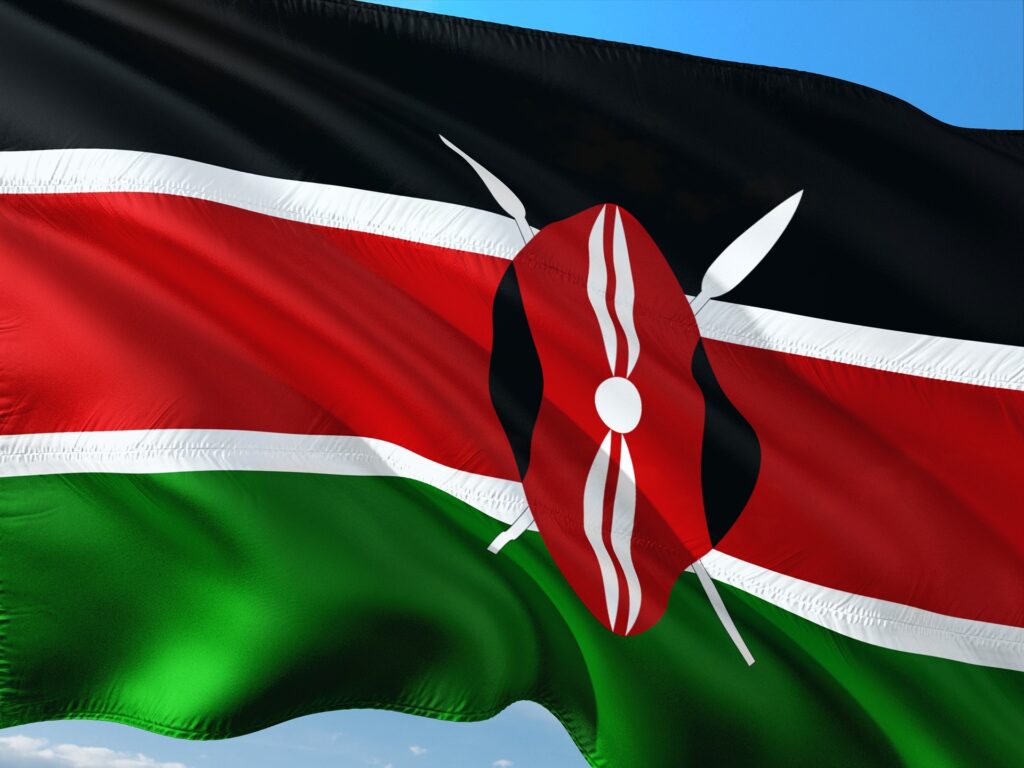
In Kenya, the main emergency number to call for an ambulance is 999 or 112. However, it’s worth noting that ambulance services can be limited in coverage and response times, especially outside major cities. Many private hospitals operate their own emergency transport services, which are often faster and better equipped than public ambulances. It’s best for expats to have contact details for their local private emergency providers as well as local hospitals.
Expats should keep their health insurance details handy and consider carrying a medical ID or emergency card with key information. In a serious emergency, private hospital care or medical evacuation could be the safest option.
Vaccinations in Kenya
Before you travel to Kenya, there are certain vaccinations that are recommended or required to protect against common diseases. The yellow fever vaccine is mandatory for travellers coming from countries with risk of yellow fever transmission. Other recommended vaccinations include hepatitis A and B, typhoid, tetanus, polio, and routine immunisations such as measles.
It’s also advised to consider malaria prophylaxis, although this will depend on the area you’ll be staying in in Kenya. You should consult with a travel health specialist well before you arrive to ensure you have all necessary immunisations.
Common health risks in Kenya
There are a few health risks in Kenya that expats should be aware of. This includes mosquito-borne diseases such as malaria and dengue fever, which are common in many regions, especially during the rainy season. Foodborne illnesses caused by contaminated water or food can also occur, which can lead to stomach infections and diarrhoea. Other risks include respiratory infections and waterborne diseases like cholera in certain areas.
Preventive measures include using insect repellent, sleeping under mosquito nets, and taking prescribed antimalarial medication if recommended. It’s important to drink bottled or purified water, avoid raw or undercooked foods, and practise good hygiene. You should also ensure you stay up to date with vaccinations and seek prompt medical advice if you develop any symptoms.
Tips for staying healthy in Kenya

Here are some tips to help expats stay healthy while living in Kenya:
- Stay hydrated by drinking only bottled or purified water, especially in hot and dry regions.
- Protect yourself from mosquitoes by using insect repellent, sleeping under mosquito nets, and wearing long sleeves to reduce the risk of malaria and dengue.
- Be cautious with food by avoiding raw or undercooked meals and eating only from reputable vendors to prevent foodborne illnesses.
- Protect yourself from the sun with sunscreen, hats, and sunglasses, particularly during peak daylight hours.
- Avoid strenuous activity during the hottest parts of the day to prevent heat exhaustion and dehydration.
- Keep a basic medical kit with essential medications, including antimalarials if prescribed, and over-the-counter treatments.
- Stay up to date with vaccinations, including yellow fever, hepatitis A, typhoid, and any other recommended immunisations.
- Register with a local doctor or private clinic shortly after arrival for easier access to healthcare services.
- Learn key health-related phrases in English or Swahili, or use a translation app, to communicate effectively in medical situations.
Useful resources
- Emergency number for medical, fire, or police assistance: 999 or 112
- Kenyan Ministry of Health: https://www.health.go.ke/
- National Hospital Insurance Fund (NHIF): https://www.nhif.or.ke/
- Kenya expat forums for community advice:
Disclaimer
For informational purposes only
The content in this guide is for general informational and educational purposes only. It does not constitute legal, financial, tax, or medical advice.
Accuracy and currency
Regulations and laws change frequently. While we strive for accuracy, we make no guarantees that this information is complete, accurate, or up to date.
No reliance & professional advice
Do not rely on this guide as a substitute for professional advice. Always verify requirements directly with official government sources or qualified advisors before making decisions.
Limitation of liability
To the maximum extent permitted by law, Expatriate Group accepts no liability for any loss, damage, or errors arising from reliance on this information.