Health Insurance in South Africa
Our expat guide to the healthcare system and health insurance in South Africa

South Africa is one of the most popular destinations on the African continent for expatriates, offering a compelling mix of dramatic landscapes, vibrant cities, a warm climate, and an English-speaking population. Its private healthcare sector is among the strongest on the continent, with modern hospitals, specialist facilities, and highly trained medical professionals serving patients from across the region and beyond.
Healthcare in South Africa operates on two tiers – a public sector serving the majority of the population, and a well-developed private sector offering high standards of care. The infrastructure is robust, with a strong emphasis on emergency care, specialist treatment, and patient comfort.
If you are moving to South Africa for work, retirement, or simply a change of scenery, understanding how the healthcare system works and finding the right health insurance South Africa has to offer will help you ease into life abroad.
Public healthcare in South Africa
Public healthcare in South Africa is funded through government taxation and delivered through a network of more than 400 public hospitals and thousands of primary care clinics nationwide. It is available to everyone regardless of nationality, and both citizens and expats can walk into public facilities without prior registration.
The public healthcare system in South Africa operates using a tiered billing structure called the Uniform Patient Fee Schedule (UPFS), which sets fees according to income and immigration status. If you hold a valid work permit, critical skills visa, or residency permit, your fees will be assessed in the same way as South African citizens. If you are on a tourist or visitor visa, you will be treated as a full-paying patient at the highest applicable rate. Either way, public costs remain affordable by international standards.
The public system faces challenges such as chronic underfunding, staff shortages and overcrowded facilities, with a significant variation in quality between provinces. Long waits are common, specialist appointments can take weeks or months, and the standard of care depends heavily on which province and facility you are in. Emergency cases are always prioritised, but anything non-critical may involve a considerably longer wait than you would expect.
The English language is widely spoken in public and private hospitals in major cities across South Africa, which makes the transition into life abroad easier for expats. However, English may be less frequently spoken in more rural areas.
Arranging health insurance in South Africa before you arrive is the advised approach.
Does South Africa have free healthcare?

Healthcare in South Africa is not free, though certain services are provided without charge at public facilities. Antiretroviral treatment for HIV/AIDS is available to anyone regardless of nationality or immigration status, and emergency stabilisation cannot legally be refused. Beyond this, all public healthcare carries a cost, set by the UPFS according to your income and visa status.
For expats on tourist visas, the full rate applies. For those with a valid residency or work permit, fees are income-assessed. Public costs remain low by global standards, but the limitations of the public system mean most foreign residents choose to rely on private facilities instead. Without insurance, accessing private care will mean meeting significant costs out of pocket and you may experience lower quality care. Private health insurance, providing access to South Africa’s extensive private hospital network, is the practical solution for foreign residents.
Private healthcare
South Africa’s private healthcare sector is among the most developed on the African continent, and for expatriates it is advised for all but emergency situations. Private hospitals offer modern facilities, specialist care across a broad range of disciplines, shorter waiting times, and English-speaking medical professionals as standard.
The three major private hospital groups, Netcare, Mediclinic South Africa, and Life Healthcare, which operate hundreds of hospitals and clinics across the country, with a particularly strong concentration in Johannesburg, Cape Town, Pretoria, and Durban.
Netcare runs 57 hospitals and is well regarded for its clinical standards and patient-centred approach, while Mediclinic South Africa operates 50 hospitals, 15 day clinics, 5 sub-acute facilities, and 6 mental health facilities in South Africa, and is particularly respected for orthopaedics, cardiology, and oncology. Life Healthcare operates 75 main healthcare facilities in South Africa, including 42 major hospitals, with a strong focus on rehabilitation, maternity, neurology, and emergency care.
The quality of care within the private sector is consistently high. South Africa’s leading private hospitals offer advanced diagnostic technology and dedicated intensive care, maternity, oncology, cardiology, and surgical units.
English is the primary language in South African medical schools and is widely spoken across the private healthcare system, removing the language barrier concern that many expats may have.
Costs in the private sector are significantly higher than in the public system, though they remain very competitive compared to Europe or North America. Hospital ward fees vary by facility, case type, and level of care, in addition to GP and specialist consultation fees which are set by individual practitioners and will also vary.
As of 2026, the Mediclinic Southern Africa Private Tariff Schedule states the rates are:
- Surgical ward per day: R5,202.30 (charged at the full daily rate if admission takes place before 12h00 and discharge takes place after 12h00.)
- Medical/neurological ward per day: R5,202.30
- Private ward (isolation, medically necessary) per day: R6,350.60
Private hospitals in South Africa typically require proof of medical aid or insurance before admission for non-emergency treatment, and upfront payment or a deposit may be required if you cannot provide this. Keeping your insurance documentation with you at all times is strongly advisable.


Health insurance in South Africa for foreigners
Whilst not a legal requirement, taking out health insurance in South Africa is advised for expats. Without cover, accessing private hospitals will mean meeting significant costs directly, and with major surgery or a lengthy hospital stay potentially running to hundreds of thousands of rand, the financial risk of going uninsured is considerable.
As a foreigner living in South Africa, you have a few options. The first is a local medical aid scheme – a form of regulated private health insurance specific to South Africa, governed by the Medical Schemes Act. Foreigners holding a valid work, student, or residency visa and a South African bank account are generally eligible to join an open scheme. Well-known options include Discovery Health, Bonitas, and Momentum Health. Medical aid gives you access to the private hospital network and is widely accepted for direct billing, but coverage is restricted to South Africa only, which is a significant drawback for expats who travel regularly or plan to relocate again. New members are also subject to waiting periods before benefits apply, and pre-existing conditions are typically excluded from cover for the first year of membership.
International health insurance, on the other hand, provides cover across multiple countries, travels with you when you leave South Africa [BW1] to relocate or take extended trips, and is widely accepted at the country’s leading private hospitals for direct billing – giving you confidence and security if your plans change. Please note that international health insurance coverage is subject to policy terms and conditions, including excluded territories (for example, sanctioned countries). Please refer to your policy documentation for full details.
Cover is also available immediately, so you do not need to wait until your protection and benefits apply.
If you have moved to South Africa for work, your employer may include a private healthcare scheme as part of your package, covering some or all of the cost.
Pharmacies and medication

Pharmacies are widely available across South Africa, with major chains including Dis-Chem and Clicks operating in shopping centres, retail parks, and high streets in most towns and cities. In urban areas, late-night and 24-hour branches are easy to find, and staff typically speak English.
A broad range of over-the-counter medications is available without a prescription, though controlled substances and most prescription drugs require a valid script from a registered South African medical practitioner. Foreign prescriptions are not accepted, so if you take regular medication, consult a local doctor to obtain a South African prescription before your supply runs out. Bringing a letter from your GP at home and copies of your existing prescriptions when you travel is a practical precaution.
Pharmacists are well trained and happy to advise on suitable alternatives if a specific product is unavailable. Medication costs are generally lower than in the UK, Europe, or North America, though imported branded products can be more expensive than locally manufactured equivalents.
Hospitals
Public vs private hospitals in South Africa
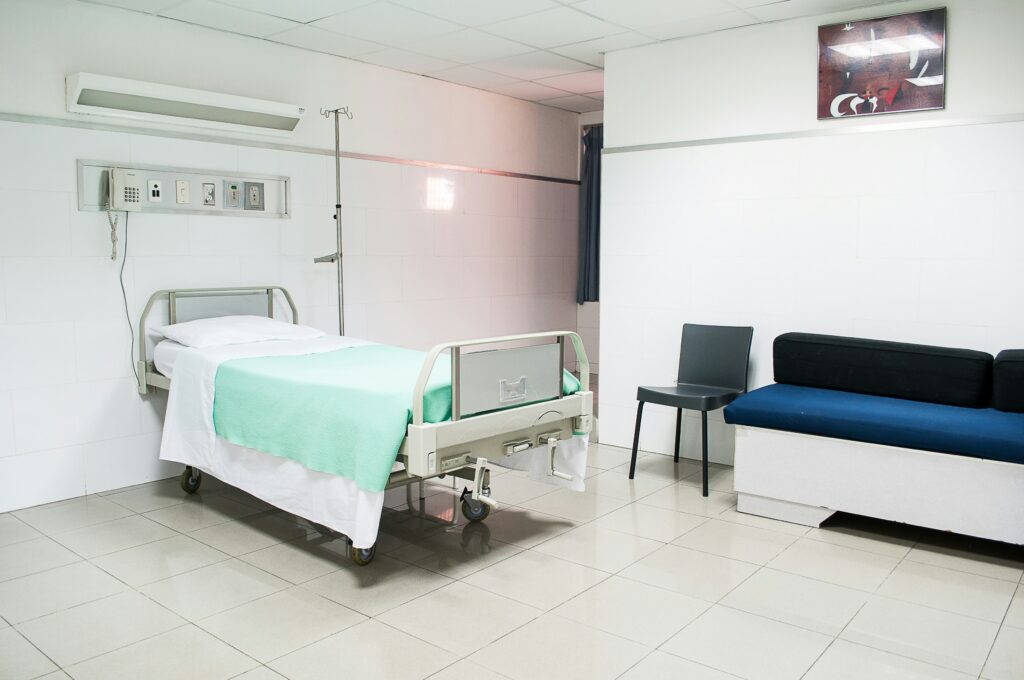
South Africa has an extensive hospital network, with approximately 400 public hospitals and more than 200 private hospitals nationwide. Public hospitals are managed by provincial health departments and vary considerably in quality. Large academic hospitals such as Groote Schuur in Cape Town and Charlotte Maxeke Johannesburg Academic Hospital offer specialist and emergency services, but face significant systemic challenges and would not be the preferred choice for expats.
In comparison, the private hospital sector is one of the strongest on the African continent and the clear first choice for the overwhelming majority of foreign residents. With better-equipped facilities, faster access to treatment, and a far more personalised experience, private hospitals offer a standard of care that is simply not replicated in the public sector.
Quality of hospitals in South Africa
South Africa’s leading private hospitals offer advanced diagnostic technology and specialist departments spanning numerous specialisms. The sector is dominated by three major groups that are known for high clinical standards and patient-centred care, offering specialist orthopaedics, cardiology, oncology, rehabilitation, maternity, neurology, and emergency care.
Infection control, surgical safety, and emergency response systems are closely regulated across the private sector and many facilities have earned strong reputations both nationally and internationally for clinical excellence.
In April 2026, Remgro signed an agreement to acquire full ownership of Mediclinic South Africa. The deal awaits regulatory approval and does not affect patient services.
English-speaking staff and hospitals in South Africa
English is one of South Africa’s eleven official languages and the primary language of the private healthcare sector, with English-speaking doctors, nurses, and administrative staff standard across all major public and private hospitals. This makes South Africa one of the more straightforward destinations for English-speaking expats to navigate.
In rural areas, services are often conducted in Zulu, Xhosa, or Afrikaans, so access to English speaking staff is less reliable.
Hospitals in South Africa
Major cities are well served by all three private hospital groups. Popular facilities include:
In Johannesburg
- Netcare Milpark Hospital
- Mediclinic Sandton
- Life Fourways Hospital
In Cape Town
- Netcare Christiaan Barnard Memorial Hospital (one of the most respected cardiac and specialist hospitals in Africa)
- Mediclinic Cape Town
- Life Vincent Pallotti Hospital.
In Pretoria
- Netcare Montana Hospital
- Mediclinic Pretoria
Services offered by hospitals in South Africa
Across private hospitals in South Africa’s major cities, you will find a comprehensive range of services including emergency care, surgery, specialist consultations, maternity services, oncology, cardiology, intensive care, rehabilitation, and diagnostic imaging. Most facilities also have dedicated pharmacy, physiotherapy, and mental health services on site or within the hospital group’s wider network. Private hospitals frequently offer additional services to support recovery and longer-term wellbeing, going beyond what you would typically find in the public sector.
Admission process for hospitals in South Africa
Admission at most private hospitals does not require a referral – walk-in and direct appointments are accepted for many services, and emergency care is available to anyone at any time. Some specialist departments may ask for a GP referral in practice, and elective procedures typically involve a pre-admission process. Proof of insurance or medical aid will always be requested as part of the admission procedure.
Costs of hospitals in South Africa
The cost of a private hospital room per day depends on the type of care you require. As per the Mediclinic Southern Africa Private Tariff, this can range from R5,202.30 per day in a surgical ward, to R6,350.60 per day in an isolated private ward.
This cost does not include procedures, specialists, or medication. Compare this to a public hospital, where inpatient costs are considerably lower, but the difference in waiting times for non-emergency care, comfort, and access to specialists is substantial.
Major surgery or extended hospitalisation could run to hundreds of thousands of rand – which is why comprehensive health insurance is highly advised before you arrive.
Facilities of hospitals in South Africa
Private hospitals in South Africa offer a noticeably higher standard of comfort than public facilities. Private and semi-private rooms are standard at most major hospitals, and VIP suites are available at many facilities in larger cities. These typically include en-suite bathrooms, television, Wi-Fi, and in some cases, guest sleeping areas and room service. Public hospitals are more basic, though larger academic facilities maintain reasonable standards.
Insurance acceptance in South Africa hospitals
Most leading private hospitals in South Africa accept direct billing from major international insurers, allowing your bills to be settled directly between the hospital and your provider without upfront payment. If you do not hold approved insurance or medical aid, a deposit will typically be required before admission for non-emergency treatment. Confirm your insurer’s network hospitals and direct billing arrangements well in advance – and always carry your insurance documentation with you.
Emergency services in South Africa

If you find yourself in a medical emergency in South Africa, the national ambulance number is 10177. Police can be reached on 10111, or dial 112 from a mobile phone. These government services are available nationwide, though response times in rural areas can be considerably slower than in major cities.
South Africa also has two established private emergency medical services – Netcare 911 (082 911) and ER24 (084 124) – operating nationally with both road and aeromedical response.
In urban areas, these services are generally faster and better equipped than the public ambulance service, and are widely used by expats covered by medical aid or international insurance.
Private call-outs are not free and basic life support starts at around R4,668 ($287), with advanced life support rising to R9,753 ($600) or more. Always confirm your insurance covers emergency transport before you need it.
Vaccinations
Before relocating to South Africa, speak to your GP or a travel health specialist to make sure your vaccinations are up to date. Routinely recommended vaccines include Hepatitis A, Hepatitis B, Typhoid, Tetanus, Diphtheria and Pertussis, Measles, Mumps and Rubella (MMR), Influenza, and an up-to-date COVID-19 vaccination.
Rabies vaccination is worth considering if you will spend time outdoors or work with animals. Malaria is not present in Cape Town, Johannesburg, or most major urban areas, but it is a risk in parts of Limpopo, Mpumalanga, and KwaZulu-Natal – particularly near the Kruger National Park. Your doctor can advise on the appropriate antimalarial medication and preventive measures.
Common health risks
South Africa is a rewarding place to live, but there are some health considerations worth being aware of before you arrive.
HIV/AIDS prevalence is high, and taking appropriate precautions is important. South Africa also has one of the highest tuberculosis rates in the world, which remains a significant health challenge – though the risk to healthy adults living in urban private accommodation is generally low. Malaria is a risk in specific provinces and should be taken seriously by anyone spending time in affected areas.
Sun exposure is commonly underestimated as South Africa’s UV index is consistently high all year-round, and very high during summer months, meaning that using sun protection should be a daily habit. Water is generally safe to drink in major cities, though quality can vary in rural areas. Food safety in restaurants and supermarkets is good, but the caution should be applied at informal markets and street vendors as anywhere.
Crime and personal safety require a greater level of practical awareness than many expats may be used to. Road safety is also a serious concern as South Africa has one of the highest road fatality rates on the African continent, and caution on the roads is essential whether you are driving, cycling, or travelling as a passenger.
Tips for staying healthy in South Africa
Living in South Africa as an expat is a rewarding experience and practical preparation goes a long way.
Sun protection: Apply sunscreen daily, wear a hat during the hottest parts of the day, and stay hydrated.
Road safety: Avoid driving after dark where possible, especially on rural roads, and always wear a seatbelt.
Food and water: Tap water is safe to drink in major cities but be cautious at informal markets and street food vendors.
Malaria prevention: If you live in or travel to a malaria-risk province, use insect repellent, wear long sleeves at dusk and dawn, and take antimalarial medication as prescribed.
Personal safety: Be aware of your surroundings, avoid displaying valuables, and follow advice from local residents or your employer about which areas need extra care.
Mental health: Adjusting to life in South Africa can take time. Many private hospitals offer mental health services, and seeking support early is always the right call.
Useful resources
- South African Department of Health: health.gov.za
- Council for Medical Schemes (medical aid regulation): medicalschemes.gov.za
- Netcare 911 (private emergency): 082 911
- ER24 (private emergency): 084 124
- National ambulance: 10177
- Police: 10111 (or 112 from a mobile)
Disclaimer
For informational purposes only
The content in this guide is for general informational and educational purposes only. It does not constitute legal, financial, tax, or medical advice.
Accuracy and currency
Regulations and laws change frequently. While we strive for accuracy, we make no guarantees that this information is complete, accurate, or up to date.
No reliance & professional advice
Do not rely on this guide as a substitute for professional advice. Always verify requirements directly with official government sources or qualified advisors before making decisions.
Limitation of liability
To the maximum extent permitted by law, Expatriate Group accepts no liability for any loss, damage, or errors arising from reliance on this information.