Thailand’s healthcare system is widely regarded as one of the best in Southeast Asia. It has a strong reputation for high-quality care, modern facilities, and well-trained medical professionals.
Thailand offers a range of medical services, from affordable public hospitals to internationally accredited private clinics that cater specifically to foreign residents and medical tourists. Many doctors and specialists in urban centres speak English, but language barriers can still arise in more rural areas or public facilities. Whether you’re relocating for work, retirement, or lifestyle, knowing your healthcare options ensures peace of mind and access to the right care when you need it.
Public healthcare in Thailand
Thailand’s public healthcare system is primarily designed for Thai citizens and permanent residents. Access is provided through the Universal Coverage Scheme (UCS), the Civil Servant Medical Benefit Scheme (CSMBS), or Social Security. Some expats might be eligible to access public services if they’re employed in Thailand and contribute to the Social Security system, but this typically covers only basic services and is limited to designated hospitals.
The quality of care in public hospitals in Thailand varies. Major hospitals in Bangkok and larger cities are generally well-equipped and staffed by competent professionals, but facilities can be less advanced in rural areas. One common challenge across the public system is long wait times, particularly for non-urgent procedures, due to high patient volume.
Costs for public healthcare in Thailand are low by international standards. For Thai nationals, treatment is often free or heavily subsidised. For expats using Social Security, costs are usually minimal but coverage might not include more specialised treatments or private rooms.
Registration for public healthcare is usually automatic for those enrolled in the Social Security system via employment. However, expats without employment or those on retirement or education visas will typically need to seek private international health insurance or pay out of pocket at public hospitals. Whilst public healthcare in Thailand is affordable and accessible, it has limitations. Language barriers can be a significant issue, especially outside tourist areas, and overcrowding can affect both comfort and speed of care. Coverage gaps also mean that certain treatments or medications might not be available under public schemes, which is why many expats consider supplementary private insurance to ensure comprehensive cover.
Does Thailand have free healthcare?
Thailand provides free or heavily subsidised healthcare to its citizens through the Universal Coverage Scheme (UCS), which covers most essential services in public hospitals. However, this system is not available to expats unless they are working in Thailand and contribute to the national Social Security scheme, which offers limited access to care at designated facilities.
For non-working expats, retirees, or those on other visa types, healthcare is not free and typically must be paid for out of pocket or covered by private insurance. Whilst public hospital fees are relatively low, many expats prefer private hospitals for the higher standard of care, where costs can be significantly higher and are not covered by the public system.
Does Thailand have free healthcare?

Private healthcare in Thailand
Private healthcare in Thailand is a popular choice among expats due to its efficiency, comfort, and high standards of care. Facilities tend to be modern and well-maintained, and have significantly shorter wait times than the public system. Many private hospitals and clinics cater specifically to international patients, offering English-speaking staff, personalised service, and a more comfortable experience overall.
The cost of private care will vary depending on the treatment and the hospital, but it remains relatively affordable compared to Western countries. A consultation with a GP might cost between £20-£50, while specialist appointments, diagnostic tests, or minor procedures can run from £100 to several hundred pounds. Major surgeries and inpatient care are more costly, although still competitively priced for the region.
Some of the most well-known private hospitals include Bumrungrad International Hospital and Bangkok Hospital, both of which are internationally accredited and have dedicated international patient centres. Other respected facilities include Samitivej International Hospital, BNH Hospital, and Phyathai Hospitals.
It’s not mandatory to have health insurance in Thailand, however it’s strongly recommended if you want to access private healthcare. Without it, costs can quickly add up, especially in the case of emergencies or complex treatments. Many expats opt for international health insurance plans that cover private treatment in Thailand and abroad, providing peace of mind and financial protection.

Expats health insurance Thailand
Health insurance isn’t mandatory for all expats in Thailand, but it can be beneficial. In addition, proof of health insurance may be required for those who apply for certain long-stay visas, such as retirement or Non-Immigrant O-A visas. Even when it’s not compulsory, though, having cover can help to protect you against unexpected medical costs.
Expats can choose between local and international health insurance plans. Local policies are often cheaper and can be sufficient for those planning to stay in Thailand long-term without frequent travel. They typically cover treatment within Thailand but may have lower benefit limits and less flexibility. International plans, on the other hand, tend to offer broader coverage, including treatment in multiple countries and access to premium hospitals, making them a good option for globally mobile expats or those who want more comprehensive coverage.
Most comprehensive plans cover hospital stays, surgery, outpatient consultations, and emergency treatment. Many also include extras such as maternity care, dental, and wellness checks, although these may come at a higher premium. Common exclusions include pre-existing conditions (unless declared and accepted), cosmetic procedures, and chronic condition management in lower-tier plans.
The costs of healthcare in Thailand will vary based on age, coverage limits, and medical history. A basic local policy might start from around £300-£600 per year, whilst a mid-range international plan could range from £1,000-£2,500 annually. Plans can be purchased directly through insurers, via brokers, or through specialist expat insurance providers online. It’s important to compare cover levels and read the fine print to ensure the policy suits your healthcare needs in Thailand.
Pharmacies and medication in Thailand
Pharmacies are widely available across Thailand, including in smaller towns and tourist areas, and they are generally well-stocked with both local and imported medications. Many common medicines that require a prescription in the UK or other countries, such as antibiotics or allergy treatments, can often be bought over the counter in Thailand without a prescription. However, some controlled or stronger medications will still require a doctor’s prescription.
To fill a prescription, you can take it to any licensed pharmacy. In many cases, pharmacists can also provide medical advice and suggest over-the-counter alternatives if you don’t have a prescription but know what you need. English is commonly spoken in pharmacies in larger cities and tourist hubs, although this may be less reliable in rural areas.
The costs of medication in Thailand are generally low. Locally manufactured drugs are very affordable, whilst international brands might cost more but are generally still cheaper than in many Western countries. For ongoing conditions, expats may prefer to visit a hospital or private clinic to obtain a prescription and ensure they’re receiving the correct medication and dosage.
Pharmacies and medication in Thailand

Hospitals in Thailand
Public vs private hospitals in Thailand
Thailand’s hospital system is divided into public and private sectors. Public hospitals are government-funded and widely available, particularly in cities and provincial capitals. They provide affordable care but can often experience long wait times and overcrowding. Private hospitals, on the other hand, offer faster service, greater comfort, and more personalised care – which has meant they often attract expats and also medical tourists. They are more expensive but are typically better equipped and offer a higher standard of care.
Quality of hospitals in Thailand
Many private hospitals in Thailand meet international standards and are certified by global accreditation bodies such as the Joint Commission International (JCI). These hospitals are known for their advanced medical technologies, well-trained specialists, and efficient patient care.
Hospitals in Thailand

Language support in Thai hospitals
English-speaking doctors and medical staff are widely available in private hospitals in Thailand, especially in major cities and tourist areas. Many hospitals have dedicated international patient departments which provide interpreters and multilingual support. In public hospitals, English proficiency is less consistent and is often limited to larger urban centres.
Top hospitals in Thailand
Bangkok is home to a number of world-class hospitals, including Bumrungrad International Hospital, Bangkok Hospital, Samitivej Hospital, and BNH Hospital. Other cities with reputable hospitals include Chiang Mai (e.g., Chiang Mai Ram Hospital), Phuket (e.g., Bangkok Hospital Phuket), and Pattaya. These cities are well-equipped to serve both local residents and the expat population.
Services offered in Thai hospitals
Most major hospitals, both public and private, offer a full range of medical services, including emergency care, surgery, maternity services, outpatient consultations, diagnostics, specialist treatments, and rehabilitation. Private hospitals also often provide wellness and preventive health services, such as check-up packages and executive health screenings.
Admission to hospital in Thailand
Referrals are not usually needed to attend hospitals in Thailand. Private hospitals typically accept walk-ins for most services, though appointments are advised for specialist consultations. Emergency departments in both sectors operate 24/7. In public hospitals, patients might often experience longer queues and, in some cases, might need a referral or prior registration, particularly for subsidised care.
Costs of care in Thai hospitals
Costs vary widely depending on the hospital, treatment, and whether you have insurance. At private hospitals, an outpatient consultation may cost between £30-£100, while inpatient stays can range from £200-£1,000+ per night, depending on the room type and treatment involved. Public hospitals are significantly cheaper but come with trade-offs in comfort and convenience.
Facilities and comfort
Private hospitals offer a range of accommodation options, from standard shared wards to private and VIP rooms with hotel-like amenities. Rooms often include ensuite bathrooms, flat-screen TVs, and guest beds. Public hospitals generally provide more basic facilities, with limited privacy and fewer comforts.
Insurance acceptance
Most private hospitals accept international health insurance, especially those with a large expat or tourist patient base. Some will bill insurers directly, whilst others will require payment upfront with reimbursement arranged afterwards. It’s advisable to check with both the hospital and your insurer in advance. Public hospitals typically expect payment at the point of service unless you’re covered by a Thai social security scheme.
Medical emergency services in Thailand
In the event of a medical emergency in Thailand, the national emergency number to call is 1669, which connects you to the Emergency Medical Institute of Thailand. This service is available 24/7 and is free of charge. However, response times can vary depending on your location. In larger cities like Bangkok, private hospitals often operate their own ambulance services, which may be faster and more reliable than public options. Some private hospitals allow you to contact them directly for emergency transport, which is often preferred by expats due to quicker response and direct access to high-quality care.
Emergency care in major hospitals is generally good, but public ambulances can sometimes lack advanced equipment or English-speaking staff. For this reason, many expats keep the contact details of nearby private hospitals and international clinics readily available. It’s also advisable to carry a medical ID card with key health information and insurance details.
Medical emergency services in Thailand
Vaccinations in Thailand
If you’re moving to Thailand, it’s important to ensure your routine vaccinations are up to date, including MMR (measles, mumps, rubella), diphtheria-tetanus-pertussis, polio, and hepatitis B. Hepatitis A and typhoid vaccinations are also recommended, particularly if you’ll be living outside major cities or eating local food regularly.
For those planning to live in rural areas or travel frequently within the region, vaccines for Japanese encephalitis and rabies can also be advised. Whilst not mandatory for entry, COVID-19 vaccination is also strongly recommended. You should have a pre-departure consultation with a travel health specialist to tailor your vaccinations to your specific lifestyle and location in Thailand.
Common health risks in Thailand
Thailand’s tropical climate and environment present a few health risks that expats should be aware of. This includes dengue fever, a common mosquito-borne illness, which can be particularly prevalent during the rainy season (May to October). There is no vaccine for dengue available to the general public, so prevention focuses on avoiding mosquito bites as much as possible. You should use insect repellent, wear long sleeves and trousers in the early morning and late afternoon, and sleep with mosquito nets or in screened or air-conditioned rooms.
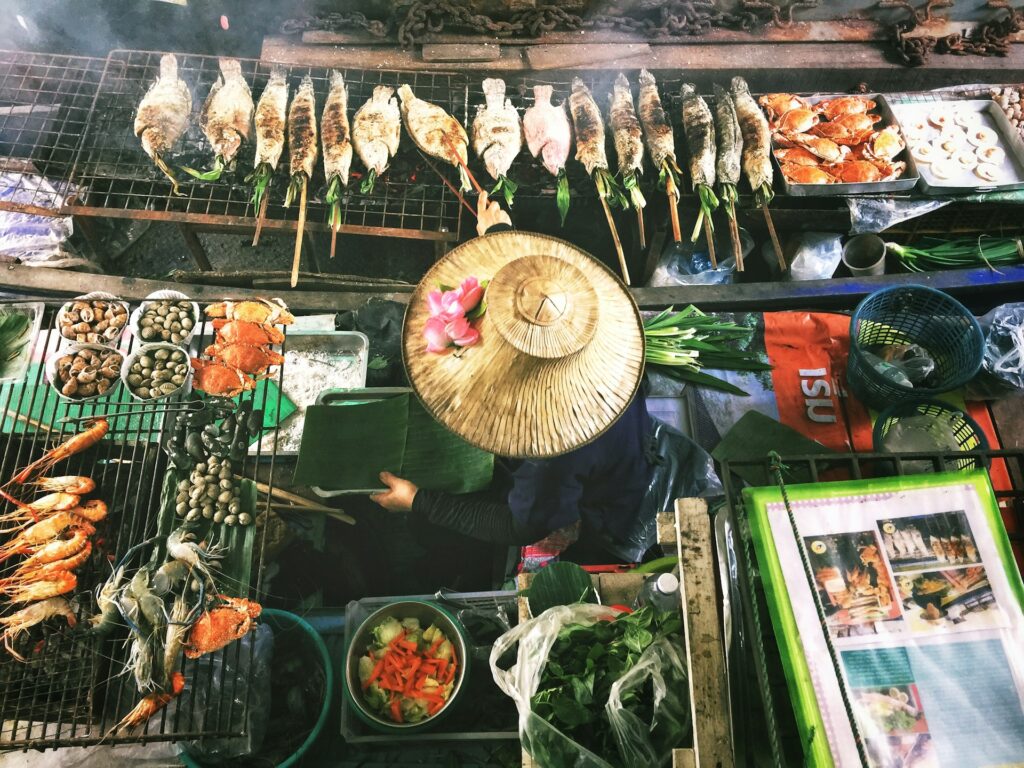
Foodborne illnesses such as salmonella, E. coli, and hepatitis A are also relatively common, especially when eating street food or in areas with poor hygiene standards. To reduce the risk, you should drink only bottled or filtered water, avoid raw or undercooked meat and seafood, and choose freshly prepared food from clean, busy vendors. Good hand hygiene is also important, so you should wash your hands frequently or use alcohol-based sanitiser. Heat-related illness is also a risk due to high temperatures and humidity, so it’s important to stay hydrated, avoid excessive physical activity during peak heat, and use sunscreen to prevent sunburn.
Tips for staying healthy in Thailand
Here are some tips for expats to stay healthy when living in Thailand:
- Drink bottled or filtered water to avoid waterborne illnesses, and steer clear of ice from unknown sources.
- Choose freshly cooked food from busy, reputable vendors or restaurants to reduce the risk of food poisoning.
- Use mosquito repellent and wear long sleeves during early morning and evening hours to protect against dengue and other mosquito-borne diseases.
- Monitor air quality in cities like Bangkok and Chiang Mai, especially during the burning season; use masks and air purifiers when necessary.
- Stay hydrated and protect yourself from the heat by wearing sun protection, and avoiding strenuous activity during the hottest parts of the day.
- Practise good hand hygiene by washing regularly or using alcohol-based sanitiser, especially before meals.
- Be cautious on the roads, especially if riding scooters or motorbikes; wear helmets and drive defensively.
- Register with a local GP or clinic shortly after arrival to make it easier to access care when needed.
Tips for staying healthy in Thailand
Useful resources
- Medical emergencies: 1669
- Police: 191
- Fire: 199
- Thai Ministry of Public Health – official website for government health services: https://www.moph.go.th
- Tourism Authority of Thailand – health and safety information: https://www.tourismthailand.org
- Thailand expat forums for community advice: