Papua New Guinea Healthcare System
Our expat guide to the healthcare system and health insurance in Papua New Guinea
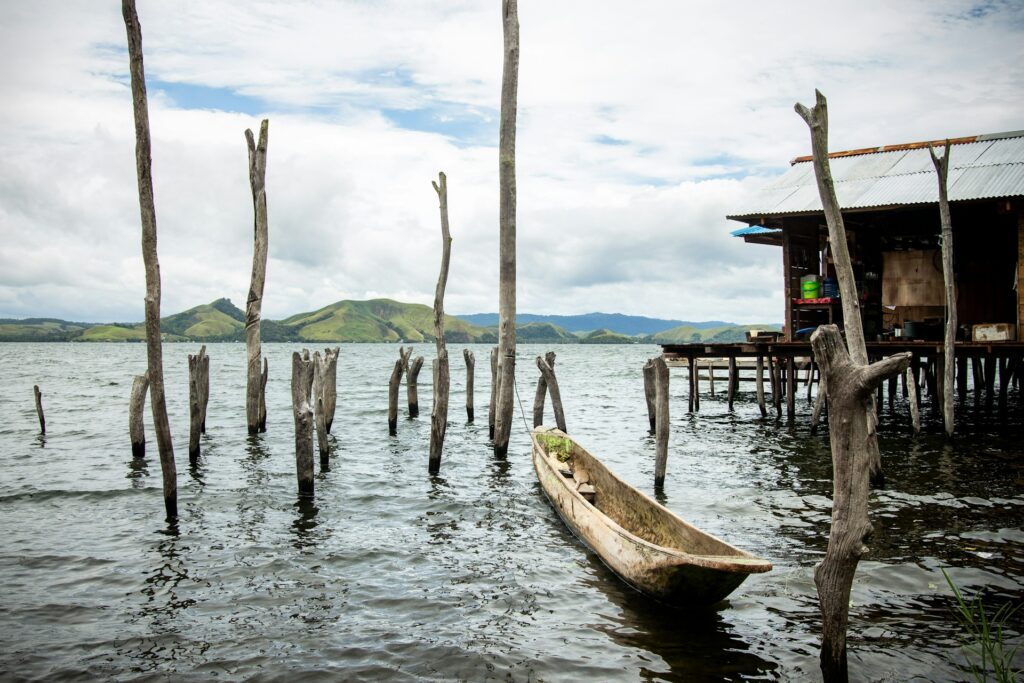
Papua New Guinea is a country that may pose significant challenges for expats when it comes to healthcare. Whilst residents can use public, private and church-run healthcare facilities, the standards are not on the same level as those found in countries like Australia, the USA or the UK. Managed by the National Department of Health and smaller provincial authorities, subsidised public care is funded through the National Health Plan (2021-2030).
For expats moving to Papua New Guinea, understanding how the healthcare system works is essential. This guide explains the public and private healthcare services, and helps you understand the options available to you.
Public healthcare in Papua New Guinea
Public healthcare in Papua New Guinea is mainly government-funded and free for residents. Fees are often charged for outpatient services and other medical costs, though. Expats can benefit from free or subsidised public healthcare in Papua New Guinea. However, they are advised to secure a comprehensive private healthcare plan for a higher quality of care.
The quality of care in public healthcare facilities is low but is showing signs of improvement. Constant underfunding, a lack of resources, staff shortages and inadequate infrastructure see the system struggle to meet the demands put upon it. This can be seen in the long wait times, lack of treatment options and struggle to get on top of disease control.
Costs for eligible patients are free or subsidised, but with many specialist services unavailable, residents may consider private healthcare for improved levels of care and a wider range of services.
Expats can access public healthcare services in Papua New Guinea. At present, there is no formal enrollment procedure. However, it is advisable to register with a local healthcare provider soon after arrival and ensure you have a comprehensive insurance plan in place to help with any costs not covered by the system.
Expats should be aware that public facilities can be overrun and lack many services that are often required. Regional differences in standards are also clearly noticeable. Healthcare facilities in rural areas often lack essential resources, and even large towns can struggle to provide suitable care. In some cases, the only way to access appropriate treatment is to travel to Australia, as the system in PNG isn’t up to standard. In some cases, public hospitals have been forced to operate without government funding, instead relying on community contributions and a dedicated team. This further enhances the preference for private health insurance.
Does Papua New Guinea have free healthcare?

Healthcare in Papua New Guinea is free for residents and expats, but the truth is somewhat different to the statement. In 2014, the government introduced a free primary healthcare guide, ensuring user fees for basic services were removed. This would mean that general outpatient services, maternal care, childcare, immunisations and treatment for common illnesses would all be free of charge. However, many patients still pay out of pocket due to stock shortages, the need for specialist testing or simply a lack of oversight by the medical facility.
The government’s focus in Papua New Guinea is on primary care, meaning that emergencies (beyond primary care) and any secondary or tertiary care have fees applied. This has led to a significant decline in patients attending key appointments. One study noted that 21% of patients did not attend a hospital or clinic at least once due to the fees involved. In more remote areas, despite the free primary care, some facilities can only survive by charging fees for their services. Reportedly, 29% of clinics function in this way.
Perhaps more concerning is that, despite the free care policy, many primary healthcare treatments still cost patients money that they shouldn’t have to spend. PubMed reported that 84% of facilities were charging patients for things like maternal deliveries and treatment for domestic violence injuries.
Private healthcare in Papua New Guinea
Private healthcare is the preferred option for expats in Papua New Guinea. With shorter wait times, higher levels of comfort and a wider range of services, it is worlds away from much of what can be found within the public system. That being said, standards within private healthcare do not match those found in Europe, the USA or Australia.
The costs for private healthcare vary depending on the treatment required, but due to the limited services available, it can be expensive. This is because, where specialist care is necessary, patients often require evacuation to Australia or Singapore. For patients remaining in Papua New Guinea, costs can range from PGK 100 to PGK 500 for a consultation, with surgeries ranging from PGK 2,000 to well over PGK 50,000.
There are not many private hospitals and clinics in Papua New Guinea. Among the most well-known are the Pacific International Hospital, Mater Hospital and Paradise Private Hospital in Port Moresby, and Lae International Hospital in Lae. All offer a considerably higher level of care than the public facilities, and in some cases, a focus on specialisms that the public sector does not.

Health insurance for expats in Papua New Guinea
Health insurance is not mandatory in Papua New Guinea for expats, but it is highly recommended. With inconsistent standards across the public system and many treatments requiring payment, a comprehensive health insurance policy ensures the best possible care both in PNG and abroad.
Expats have the option to take out a local health insurance plan or a more inclusive international plan. Local plans provide coverage for both public and private hospitals, but due to the limitations within Papua New Guinea, the full range of services you require may not be included. That is why most expats look for an international health insurance plan. These are considerably more comprehensive and will ensure hospital stays, medications and emergency evacuations are covered. In Papua New Guinea, evacuation can be essential. With some services only available overseas, a large amount of out-of-pocket health expenses stems from sourcing treatment abroad. A comprehensive plan will reduce the out-of-pocket expense and ensure you have access to high levels of care. It is highly recommended that expats obtain an Australian visa before entering PNG so they can receive the desired care in the event of evacuation.
Some exclusions may apply to both local and international plans. This can vary by provider but may include pre-existing conditions, cosmetic surgery and alternative therapies.
Costs for health insurance in Papua New Guinea vary based on age, medical history, insurer and whether any specific coverage is required. It is recommended that expats source three to five quotes before signing a policy and check the terms for any exclusions or additional fees.
Pharmacies and medication in Papua New Guinea

Pharmacies are available throughout Papua New Guinea, but more reputable and well-stocked facilities are found in Lae or Port Moresby. That being said, supplies of medication can be inconsistent throughout the island, and there remains a risk of counterfeit drugs being supplied. Over-the-counter medications such as painkillers and cold remedies are available, but caution should be exercised when using pharmacies in remote areas. Due to licence delays, access to many common OTC and prescription medications can be disrupted in these locations, making it harder to get the medication you require.
To fill a prescription, patients must hand it to the pharmacist, who will then log it in the mandatory prescription register. Patients pay for prescriptions, despite the free healthcare policy promoted by the government. This is largely because public facilities are so low on stock that patients are advised to visit private facilities to collect medication. However, should the public clinic have the medication in stock, it will be provided free of charge, as long as it appears on the approved medication list.
Insurance is rarely accepted unless a sufficient international plan is in place, and expats are advised to carry a supply of personal medications due to the inconsistent availability across the island.
Hospitals in Papua New Guinea

Public vs private hospitals
Papua New Guinea has both public and private healthcare facilities. The public facilities are government-funded, but many, especially in rural areas, often miss out on sufficient funding and rely on donations and volunteers. Standards are not high, wait times can be long, and the range of services is often limited. Private facilities, on the other hand, offer an enhanced level of care, a broader range of services and more patient comfort. However, compared to private facilities found throughout Europe, they do not offer the same high standards.
Quality of hospitals in Papua New Guinea
The quality of hospitals is below the standard that many would hope for. This is particularly noticeable in rural areas where 85% of the population resides. A lack of staff, poor infrastructure and dated facilities are clearly evident. Private facilities are of a higher quality than the public hospitals, but they do not hold any international accreditation and may fall short of expat expectations. For a higher standard of service, expats should seek treatment in Australia or Singapore.
English-speaking staff in Papua New Guinea hospitals
English is the official language of Papua New Guinea, along with Tok Pisin and Hiri Motu. This should present expats with minimal language barriers. It should be noted that Tok Pisin is commonly used in everyday conversation so it may be spoken in rural or public healthcare facilities.
Top hospitals in major cities
Despite the relatively poor standard compared to many Western countries, Papua New Guinea does have some good hospitals. Pacific International, Kapuna Rural, Paradise Private, Lae International and Mater are all well-respected for the services they provide.
Services offered in hospitals in Papua New Guinea
Hospitals in Papua New Guinea offer a range of services, but consistency varies. Across the network of hospitals, you can find emergency care, orthopaedics, gynaecology, surgery, paediatrics and dental services. Standards and availability of services vary greatly across PNG, so research should be done in advance.
Hospital admission process
In public hospitals, patients will require a referral from a GP or specialist to be admitted to the hospital. In private hospitals, appointments can be made in advance. In emergencies, walk-ins are accepted but will be assessed to determine if inpatient admission is necessary.
Costs of healthcare in Papua New Guinea hospitals
The costs of healthcare in the hospitals of Papua New Guinea vary. The public system states that primary care is free, but due to a lack of resources, this is not always the case. In the private sector, costs can vary from just a few hundred PGK to tens of thousands for appointments, surgeries and rehabilitative treatments.
Facilities and comfort
The level of comfort and range of facilities across both the public and private sectors in Papua New Guinea can be lacking. Whilst private facilities may offer more comfortable rooms, enhanced care and an increased number of amenities, they do not match what you would find throughout Europe and the USA.
Healthcare insurance acceptance
Most private facilities accept health insurance in Papua New Guinea, but almost all insist on up-front payment. Cash payments are expected, but this varies by location. In some cases, hospitals may charge your insurer directly, but this is rare and should be checked before admission.
Papua New Guinea emergency services

In Papua New Guinea, you can call for an ambulance by dialling 111. Depending on your location, you may be asked to reach the nearest aid post or clinic. Response times can be quick, but delays are common, and in some rural areas, there is no formal ambulance coverage. Ambulances are not free of charge in PNG, and costs will vary depending on whether the transfer is to a public or private facility. As a result, annual ambulance membership is recommended to help keep costs down.
In some cases, air evacuations are necessary. These are expensive and further justify the need for a comprehensive health insurance plan.
Vaccinations in Papua New Guinea
Before moving to Papua New Guinea, expats should ensure all routine vaccinations (MMR, Polio and DTP) are up to date. In addition, Hepatitis A, Rabies, Japanese Encephalitis, Cholera, Typhoid and Tuberculosis vaccinations are all recommended before travel.
If arriving in PNG from a country where Yellow Fever is endemic, the vaccination for this illness is deemed an entry requirement, and proof will be required.
6-8 weeks before travel, an appointment with a GP is recommended so appropriate vaccinations can be administered, and the latest healthcare advice can be given.
Common health risks in Papua New Guinea
Papua New Guinea, unfortunately, presents many health risks to expats. Whilst progress is being made, Malaria, Typhoid, TB, Cholera, HIV/AIDS and more have all proven to be a struggle to get under control. In addition, Dengue, Zika virus and Chikungunya are all found in PNG and currently lack any form of vaccine.
With the high prevalence of mosquito-borne illnesses, wearing protective clothing, using insect repellent, and hanging mosquito nets should be a focus at all times of the year.
Furthermore, the sun can be intense throughout Papua New Guinea, so expats should take care to limit their exposure to the sun and take appropriate preventative measures. Hats, sunscreen, and sunglasses should be considered at all times in the warmer months.
Water is seen to match WHO standards, but a risk remains, so expats are advised to drink bottled water only.
Tips for staying healthy in Papua New Guinea
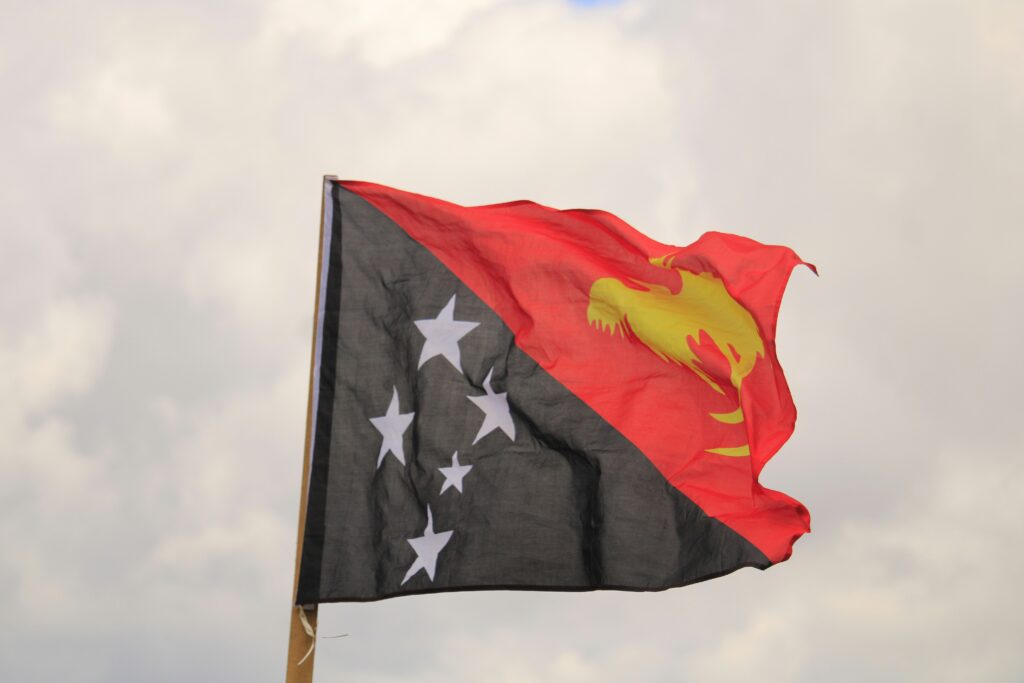
Papua New Guinea has limited health resources and presents expats with health risks they need to be careful of. Below is a list of some key tips to help expats remain healthy.
- Ensure all routine vaccinations are up to date and appropriate extra vaccinations are taken.
- Protect yourself from prolonged sun exposure by wearing hats, sunglasses and sunscreen. Consider limiting how long you stay outside for,
- Prevent mosquito-borne illnesses by using insect repellent, wearing long sleeves and using mosquito nets.
- Keep a first aid kit at home and in your car.
- Remain aware of regional limitations in healthcare services and the availability of medicines.
- Obtain an international health insurance policy that includes emergency evacuation coverage.
- Get an Australian visa to help with additional healthcare access.
- Drive carefully. Roads throughout PNG can be challenging.
Useful resources
- Emergency phone number for ambulance response: 111
- National Department of Health: https://www.health.gov.pg/
- Expat forums for community advice:
Disclaimer
For informational purposes only
The content in this guide is for general informational and educational purposes only. It does not constitute legal, financial, tax, or medical advice.
Accuracy and currency
Regulations and laws change frequently. While we strive for accuracy, we make no guarantees that this information is complete, accurate, or up to date.
No reliance & professional advice
Do not rely on this guide as a substitute for professional advice. Always verify requirements directly with official government sources or qualified advisors before making decisions.
Limitation of liability
To the maximum extent permitted by law, Expatriate Group accepts no liability for any loss, damage, or errors arising from reliance on this information.