Health Insurance Switzerland
Our expat guide to the healthcare system and health insurance in Switzerland

Switzerland is widely recognised as having one of the best healthcare systems in the world. With excellent standards found in hospitals and clinics, well-trained medical professionals on hand, and a system that ensures everyone has access, expats and residents benefit from a broad range of medical services across the country.
With generally short wait times, excellent facilities and a large English-speaking medical community, healthcare in Switzerland is excellent. However, compared to other European nations, some differences can make the system confusing for those planning to move there. This guide will help you navigate the Swiss healthcare system and understand how health insurance for expats works throughout the country.
Public healthcare in Switzerland
Public healthcare in Switzerland is quite different to what is found in other European countries. Where many other nations provide residents with free healthcare funded through taxes and employer/employee contributions, in Switzerland, every resident must pay into a basic level private healthcare insurance plan. How much is paid depends on the Canton or State you live in. Each Canton has its own tariffs and regulations, meaning there can be regional disparity in cost for the same levels of healthcare.
The choice of provider is down to the individual, yet what is covered is determined by the government, meaning that no matter which provider is chosen, the level of coverage remains the same. Expats can make themselves exempt from mandatory Swiss health insurance if they hold an EHIC or GHIC; however, once a stay exceeds three months this cover is no longer valid.
The quality of care in public hospitals in Switzerland is extremely high. Despite functioning like private enterprises, they are still publicly owned. Wait times are generally low but do tend to be higher than those found in private facilities. The services offered are broad, with both specialised and emergency care provided.
Accessing public healthcare as an expat in Switzerland is also a little different to what may be experienced in other European countries. You register with your local Swiss Canton by providing your passport, Swiss residence permit and proof of address. You then have 90 days to secure health insurance from one of the 60 providers. You’ll then receive a Swiss health insurance card that must be presented at all appointments to prove your entitlement. Failing to insure yourself within 90 days might see you fined. You’ll also find that your policy is backdated to your arrival date.
Expats can benefit from excellent standards of care through the Cantonal or public system in Switzerland. Language barriers can at times be a challenge. German, Italian and French are widely spoken in Switzerland, but English-speaking medical professionals can be found throughout the country. Whilst the basic-level care is extremely good, there are coverage gaps that result in larger out-of-pocket expenses than expected. This is why expats and many Swiss residents consider upgrading their insurance contributions for wider coverage.
Does Switzerland have free healthcare?
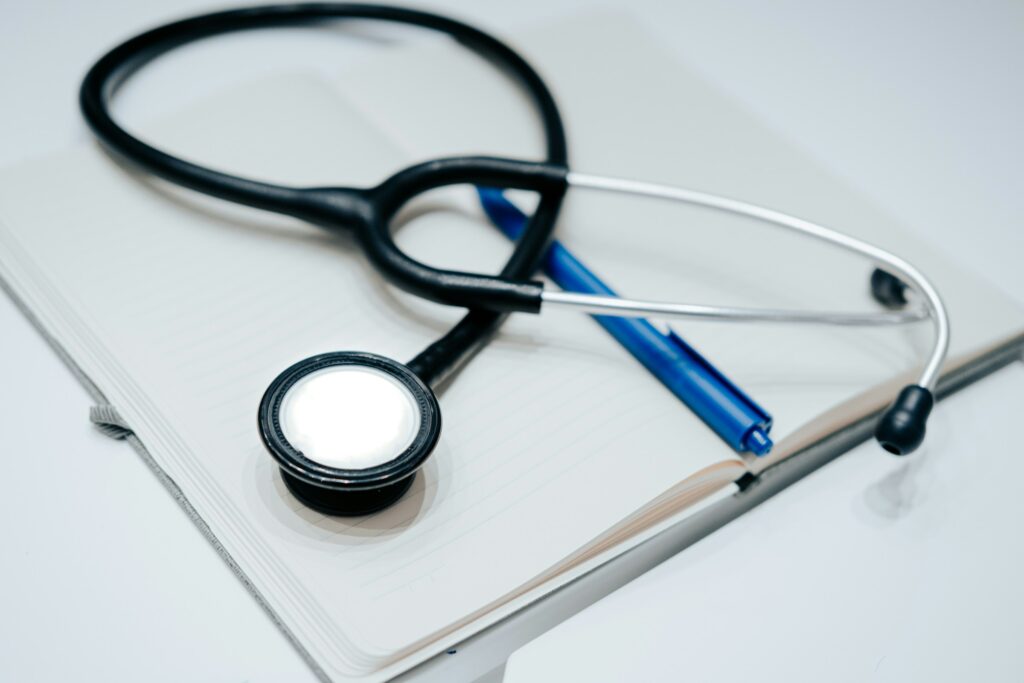
No, Switzerland does not have free healthcare. You will have to pay up to a certain amount, and then your mandatory insurance covers the cost.
All Swiss residents are required to have basic private health insurance. This coverage ensures treatments such as prescription drugs, maternity costs, vaccinations, routine medical care, and injury care are covered. All residents also have access to psychotherapy through this entry-level coverage, and some mental health treatments are also available. Switzerland also offers some alternative medicines under its basic healthcare plan such as acupuncture, classical homoeopathy and traditional Chinese medicine.
However, each resident must contribute to their medical expenses before insurance kicks in. The amount is determined by the premiums being paid for. Every patient has an annual deductible that ranges from 300CHF to 2,500CHF. The lower the deductible, the higher the premium and vice versa. Until your deductible is reached, you pay the costs for treatment. You also pay 10% of the remaining cost as a co-payment, with the insurer covering the remainder of the bill. This applies to all Swiss residents, including retirees.
Example: You have a 2,000CHF deductible and get a 2,500CHF bill. You pay the first 2,000CHF, plus 10% of the remaining 500CHF, the insurer covers the remaining 450CHF.
It is important to note that children must have separate coverage for access to basic healthcare in Switzerland.
Private healthcare in Switzerland
Private healthcare is the most popular option for expats living in Switzerland. It’s even the favoured option for many Swiss nationals. This is largely due to the wider range of treatments covered, the reduced waiting times, and the more personalised service available to patients. The private hospitals in Switzerland are among the best in the world, and it can be hard to differentiate between those on the Cantonal (public) system and those operated by private companies. That being said, private facilities offer a greater level of privacy and offer patients additional features that public hospitals do not.
The cost of private healthcare in Switzerland is high, and many in the country upgrade from basic insurance plans to more comprehensive policies to help cover healthcare expenses. Consultations with a specialist can cost as much as 250CHF per hour, while a trip to the emergency room could set you back over 1400CHF. Longer stays, more complex procedures, and specialist treatments all cost considerably more, making private health insurance a more viable choice.
Switzerland is home to a fantastic array of private hospitals with world-class standards. You’ll find excellent care provided in most, if not all, cantons with a wide range of specialisms covered. With international health insurance, you have access to a wider range of hospitals, allowing you to benefit from services that may not be available in your canton. The Swiss Medical Network is among the most renowned groups in the country, offering a wide range of high-quality care in all language areas of the nation.
Private insurance outside of the basic level plans is not mandatory in Switzerland, but it is recommended. The mandatory plans are great and offer a wide range of treatments, but they do come with limitations. Dental care, for example, is not covered. These limitations can be avoided by taking out a plan built exactly around your needs and budget.
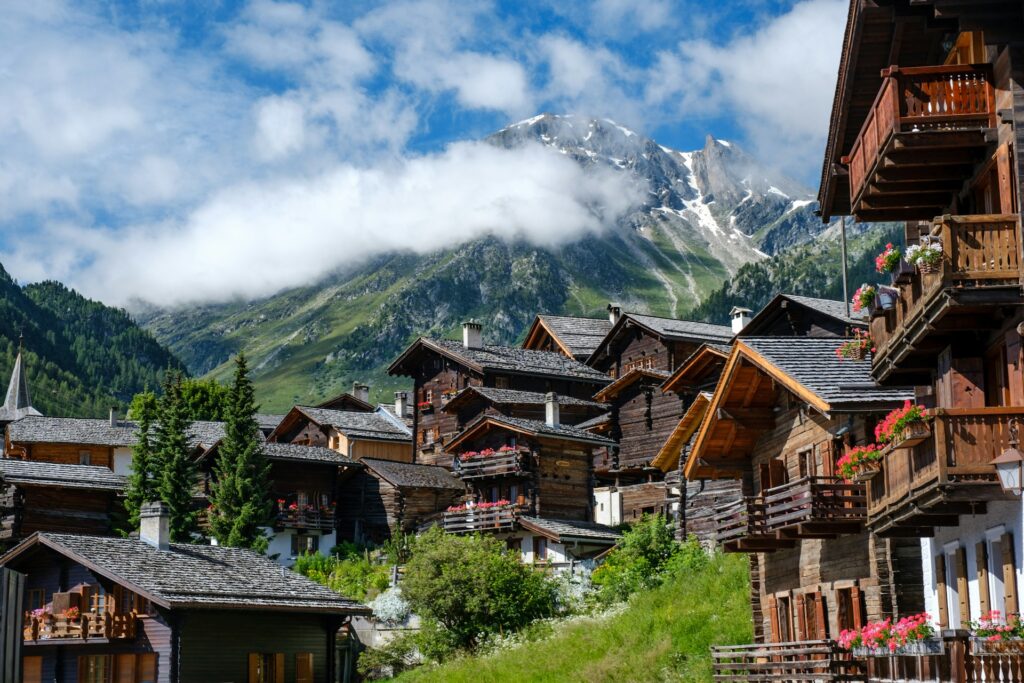

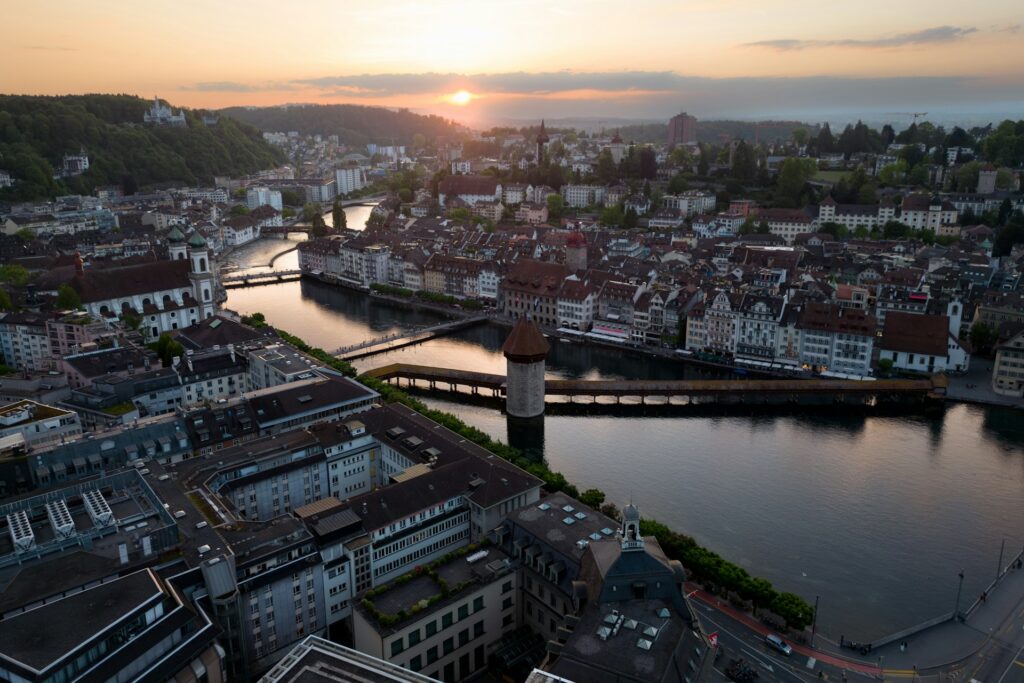
Health insurance in Switzerland for expats
As health insurance in Switzerland is mandatory, expats must be covered for their time in the country. Should the stay be short, an EHIC or GHIC provides health insurance coverage for up to three months. If the stay is permanent, a private plan must be joined within three months of registering your residency.
Expats can join the mandatory scheme or upgrade to a more comprehensive private local or international plan. Much depends on how much coverage you require and what you are willing to pay. The mandatory plan is the cheapest. All insurers are obliged to accept all applicants and must not profit from the sale of a plan. The coverage is set by the government, with only the costs determined by the insurer. Luckily, you can change to a different insurer once a year if you find something more affordable. Each canton also has its own healthcare tariffs, which play a role in how insurers determine their premiums. This means Zurich, for example, has more expensive basic health insurance than Jura does. International plans, on the other hand, provide an expat with not just comprehensive coverage during their time in Switzerland but also when they head further afield too.
Premiums for private health insurance in Switzerland vary in price depending on the insurance provider and the canton where the policy is issued. Private healthcare at the mandatory basic level can cost approximately CHF400 per month, but choosing higher deductibles can reduce this. A comprehensive private plan will cost more but comes with wider coverage and more personalised healthcare services.
Pharmacies and medication in Switzerland

Pharmacies in Switzerland are available throughout the country and are recognisable by their green cross. Depending on the part of Switzerland you are in, you’ll see them called Apotheke, pharmacie or farmacia. Swiss pharmacies are open Monday to Saturday. Opening from 8am to midday, they reopen at 2pm, and close at 6pm (5pm on Saturdays). You’ll find many of the expected medications available in Swiss pharmacies; however, strict rules do apply to the issuing of some treatments. Antibiotics, heart medication, opioids and antidepressants all require a prescription, but allergy medications, painkillers, supplements and cold remedies are all available over the counter.
Filling a prescription in Switzerland is quite simple. You’ll receive a written or electronic prescription from a GP, specialist or hospital. You then take it to a pharmacy, where the pharmacist checks the prescription and ensures you are briefed on dosage, side effects and how to take the medication. For all prescription medications in Switzerland, you must pay a deductible. This is currently up to 10% on generic medications, and up to 20% on brand-name medications. Insurance does not cover any costs for non-prescription medicine.
Hospitals in Switzerland
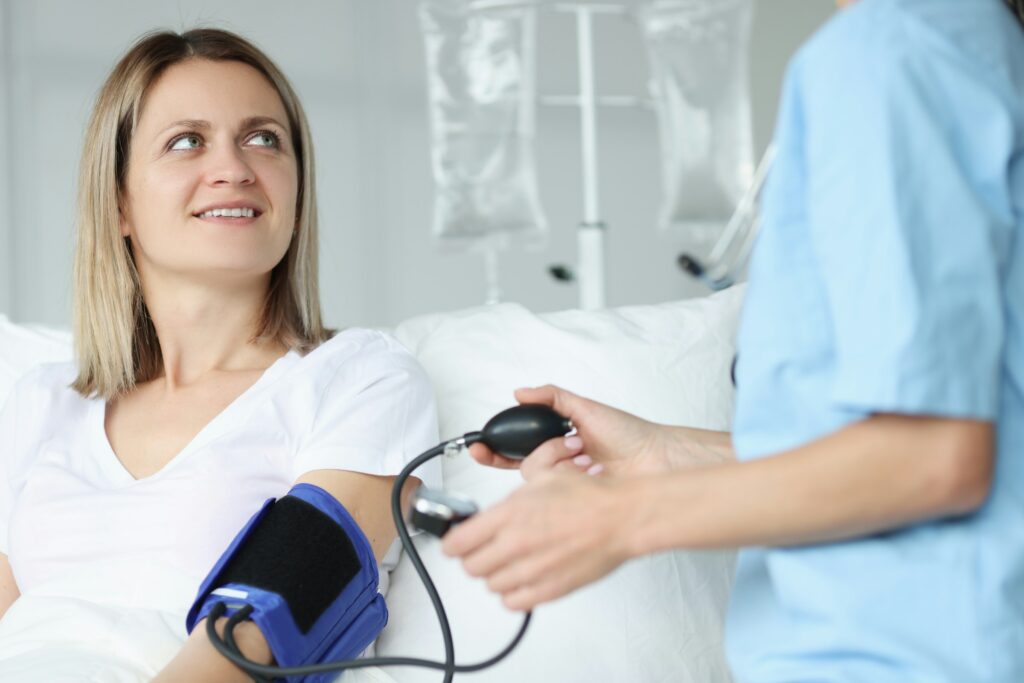
Public vs private hospitals in Switzerland
Despite the largely private nature of the healthcare system in Switzerland, there is a public element to it. Public or Cantonal hospitals are co-owned by the canton and provide the region with essential medical services. They must accept all patients and work within the tariffs sent by the Canton. They tend to be large facilities with emergency and specialised care offered.
Private hospitals, on the other hand, are independently owned and can be more selective with their patients, only granting treatment to those with supplementary insurance, for example. With shorter waiting times than public hospitals and a more personalised service, expats may lean more towards these facilities but can choose either public or private facilities depending on the insurance they have. Those with basic insurance can still access private facilities if that is the nearest facility to them; however, they may find restrictions on the services available to them.
Quality of hospitals in Switzerland
The quality of hospitals in Switzerland is generally excellent. This applies to those facilities supported by the Canton and those privately funded. Many in both sectors are globally recognised for their levels of service, well-trained staff, cleanliness and continual development.
English-speaking staff in Swiss hospitals
In Switzerland, German, French and Italian are the most common languages. This can mean there is a language barrier in some rural areas. That being said, English is widely spoken, and in both public and private healthcare facilities, it is common to find English-speaking staff. The high standards Swiss hospitals hold themselves to mean that interpreter services are not unusual and, in some cases, international patient areas with multi-lingual staff are available.
Leading hospitals in Switzerland
Throughout Switzerland, there are established and award-winning hospitals in both private and public healthcare. University Hospital Zurich, University Hospital Geneva, and Inselspital in Bern are among the most prominent public facilities offering a wide range of treatments. Klinik Hirslanden and Klinik Im Park are part of the Hirslanden Group and make up a large number of the private facilities found throughout Switzerland.
Services offered by hospitals in Switzerland
Swiss hospitals provide a comprehensive range of treatments, including emergency care, surgery, oncology, maternity services and other specialised treatments. Private hospitals will often specialise in certain fields not commonly found in public facilities, but do not limit themselves to just one kind of treatment.
Admissions process for hospitals in Switzerland
The admission process for Swiss hospitals depends on whether your stay is elective or an emergency, and whether you choose to use a public or private facility. For non-emergency admissions, you will normally require a referral from your GP. For emergencies, hospitals will accept walk-ins. Private hospitals in Switzerland allow you to book an appointment, choose a specialist, book a private room and benefit from shorter waiting times.
Costs of care in Swiss hospitals
The costs in Swiss hospitals, whether public or private, can be high. Mandatory insurance only becomes effective once you have reached the maximum deductible allowance, and even after that, you may be required to pay a 10% co-pay. This means that whatever the length of the hospital visit, you’ll still be required to cover some of the costs.
Average inpatient treatments in Switzerland can cost as much as 13,000CHF, whereas doctors’ consultations can range from 100CHF to 150CHF.
Facilities in Swiss hospitals
The facilities in Swiss hospitals are generally of a very high standard. Public hospitals are almost on par with private facilities, but there are distinguishable differences. Private hospitals in Switzerland offer patients private rooms, en-suite bathrooms, guest sleeping spaces and more pleasant surroundings.
How is insurance accepted in Swiss hospitals?
If you are attending a public hospital in Switzerland, you’ll need to provide your ID and insurance card at admission. The hospital then bills your insurance, with you paying the 10% co-pay and annual deductible. If you visit a private hospital for treatment, you must provide your insurance details, along with your basic coverage. The hospital will then bill the insurance directly, with you only having to make any contributions if your policy does not provide complete coverage.
Emergency services in Switzerland

If you require an ambulance in Switzerland, you should call 144. It is a free phone call, but you will be expected to pay for the ambulance. Insurers will cover 50% of the ambulance cost, but no more than 500CHF per year if there is no immediate risk to life.
You can also call 112 for general emergencies, 117 for police assistance or 1818 for information in German, French, Italian and English.
Whenever you require ambulance assistance, have your ID, health insurance details, and any allergy or medical information readily available.
Vaccinations in Switzerland
There are no mandatory vaccinations currently required for moving to Switzerland; however, it is recommended that MMR, DTP, Polio and Hepatitis B vaccinations are up to date. For some visitors to Switzerland, TBE vaccinations are also recommended due to the risk of tick bites in the country. This would include those working in farming, forestry and the military, as well as those spending time camping, hiking or hunting.
Approximately 6 to 8 weeks before you leave for Switzerland, you should speak to your current GP to learn about any specific health requirements.
Common health risks in Switzerland
Switzerland is generally a safe country, and there are currently no health warnings relating to diseases or other health risks. That being said, altitude sickness, UV exposure and tick bites can be common. As a result, you should stay well covered in areas where ticks are prominent, wear sun protection and stay hydrated during warm periods and adjust to altitude changes gradually.
Tips for staying healthy in Switzerland
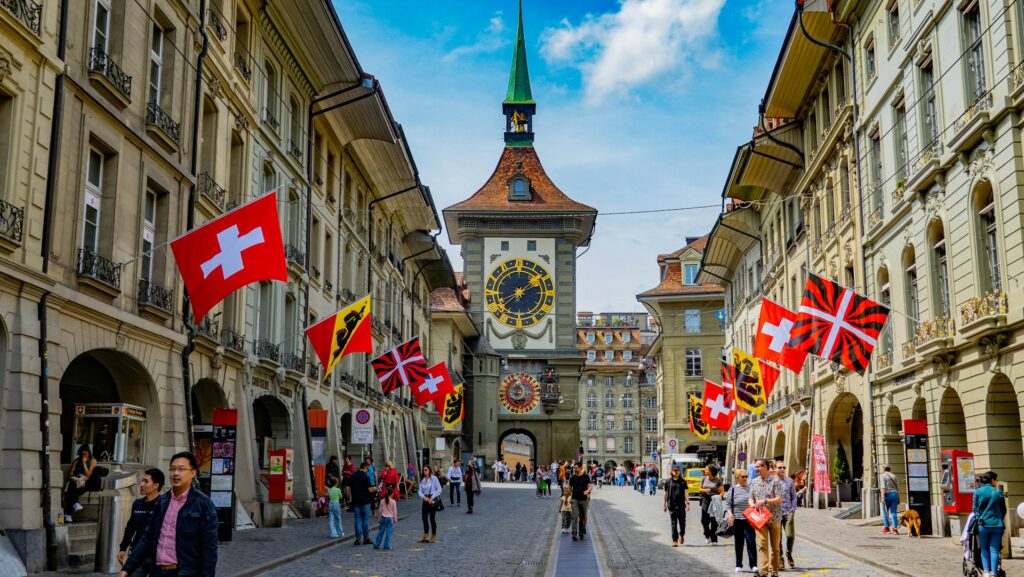
Living in Switzerland can be a wonderful experience, but following these health tips can make it even better:
- Stay hydrated, summer months can be hot and dehydration can creep up on you.
- Use insect repellents and wear long sleeves to avoid bites, especially between April and October.
- Use sun protection such as suncream, hats and sunglasses. In mountainous areas, the strength of the sun can often be forgotten even during winter months.
- Have a first aid kit at home and pack one in your car.
- Register with a GP or private clinic as soon as possible.
- Ensure you have registered for mandatory health insurance as soon as you gain residency.
- Learn some German, French or Italian health-related phrases to help in the event of an emergency.
Useful resources
- Emergency number for medical and ambulance: 119
- Emergency number for police: 117
- Emergency number for fire: 118
- Non-emergency number for medical, fire, and police (mobile only): 112
- Switzerland Federal Office of Public Health: https://www.bag.admin.ch/en
- Switzerland expat forums for community advice:
Disclaimer
For informational purposes only
The content in this guide is for general informational and educational purposes only. It does not constitute legal, financial, tax, or medical advice.
Accuracy and currency
Regulations and laws change frequently. While we strive for accuracy, we make no guarantees that this information is complete, accurate, or up to date.
No reliance & professional advice
Do not rely on this guide as a substitute for professional advice. Always verify requirements directly with official government sources or qualified advisors before making decisions.
Limitation of liability
To the maximum extent permitted by law, Expatriate Group accepts no liability for any loss, damage, or errors arising from reliance on this information.