Health Insurance Nigeria
Our expat guide to the healthcare system and health insurance in Nigeria
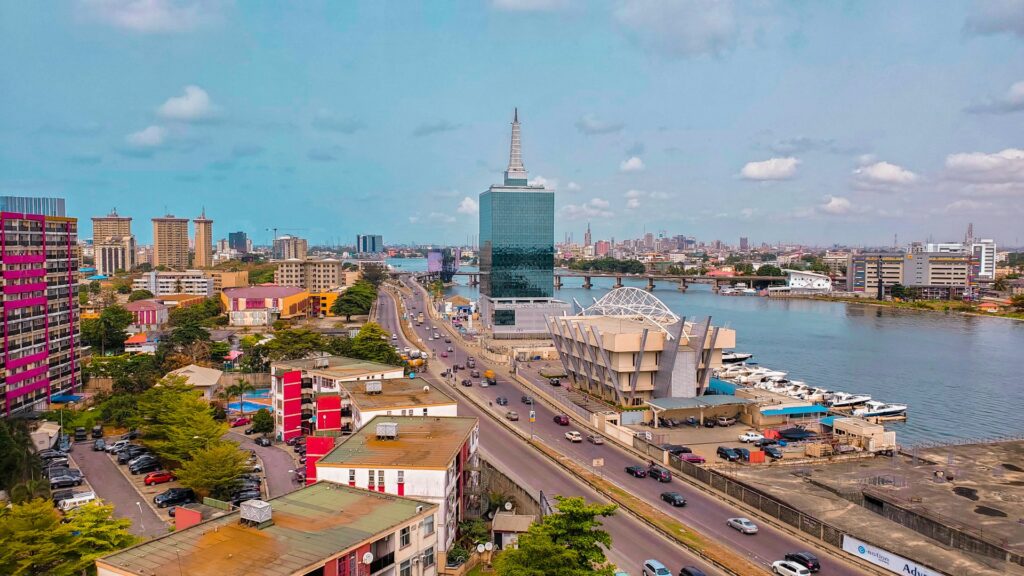
Nigeria has both public and private healthcare systems, yet both are underdeveloped and underfunded. With limited services, a lack of staff and an ongoing fear of disease, residents and visitors can find Nigeria a difficult country in which to access suitable healthcare.
That being said, the government are trying to turn things around and improve standards with increased investment. However, with varying costs, inconsistent care and serious threats of disease, it is important that expats have a full understanding of how to navigate the Nigerian healthcare system. In this guide, we’ll explain how healthcare works in Nigeria, making your transition a little smoother.
Public healthcare in Nigeria
Public healthcare is available to all residents in Nigeria. This is a relatively new change to the system. From 1999 through to 2022, the NHIS (National Health Insurance Scheme) was in place, offering healthcare to Nigerian residents, but its scope was limited. Since 2022, the NHIA (National Health Insurance Authority) has been in place and is mandated to achieve universal healthcare for all Nigerians.
The quality of healthcare in Nigeria remains quite poor. Despite government funding rising from 3% to 5% of the national budget, the entire sector is lacking in several areas. With insufficient staffing, excessive waiting times and even basic levels of care frequently unavailable, it can be a struggle for residents to source appropriate care. Furthermore, poor standards and overcrowding have often seen hospitals become the source of rapidly spreading diseases. Many expats prefer to utilise private healthcare to avoid these issues.
Expats using the public healthcare system should have no concerns over language barriers. English is the official language of Nigeria; however, in rural areas, many people speak Hausa, Yoruba, Igbo or other regional dialects.
Does Nigeria have free healthcare?

Healthcare in Nigeria is not free but is subsidised through the public system. With government funding and contributions from employer/employee premiums, alongside donor and NGO funding, costs are kept down for those using the public healthcare system. However, things that might be covered in other countries often require payment in Nigeria. This includes medical tests, medications and some basic supplies.
Some treatments, such as those for HIV and TB are free of charge thanks to international donor support. Children’s immunisations are also covered through national and donor-funded campaigns. This is largely state-dependent, with some areas not providing these treatments free of charge.
In some states, such as Lagos and Kano, state health insurance fully subsidises care for some residents. Those on very low incomes, pensioners and civil servants can take advantage of this free care. Pregnant women can also take advantage of this free care in some states. Unfortunately, the regional disparity can be vast, meaning that the majority of Nigerian residents must pay at least something towards their healthcare either through insurance, co-pays or out-of-pocket.
Private healthcare in Nigeria
Private healthcare in Nigeria is better than public healthcare, but it falls short of the standards found in many Western countries. Many of the luxuries expected as standard in private hospitals in the UK, USA and Europe are not available in Nigerian private hospitals. That being said, waiting times in private facilities are considerably shorter than those found in public hospitals, and staffing levels are better, allowing for a more positive overall experience. Unfortunately, expertise, facilities and availability can be lacking, meaning that if serious or specialised treatment is required, travelling to another country for treatment can often be the best option.
The cost of private healthcare in Nigeria can be expensive, with costs escalating quickly for long-term stays. An outpatient consultation, for example, can cost between ₦10,000 and ₦50,000 ($7-$32) with similar costs for a GP consultation. Hospital stays can range from ₦30,000 to ₦100,000 ($82-$275) per night, but special procedures can cost significantly more. However, these costs can vary by region, and with some treatments not available, repatriation or evacuation might be needed. Comprehensive private medical insurance is essential for expats to keep costs down and receive the best possible treatment.
Some private hospitals in Nigeria meet JCI standards and offer high-level care similar to that found in Europe. However, many are found not to be of the standards you may expect.
Private health insurance is not mandatory in Nigeria, but is highly recommended for expats. Access to the public system is available to expats, but the general condition of the system is poor, with it unlikely to provide the expected standards or levels of care.

Health insurance in Nigeria for expats
Health insurance in Nigeria is legally mandatory for all residents, including expats; however, enforcement of this has proven to be limited. There doesn’t seem to be a penalty system and as a result, many people remain uninsured. The move to NHIA means that the government is slowly ensuring everyone has healthcare coverage through an NHIA, state-level, employer-provided, or private healthcare plan.
Expats have access to public health insurance that grants use of public healthcare facilities, but these hospitals and clinics often fall short of expectations. Many will instead source a private plan or have one organised by their employer. Expats can choose a local plan, which tends to be lower cost but more limited in scope, or an international plan that costs more but ensures health expenses accrued outside of Nigeria are also covered.
Most health insurance policies cover GP visits, testing, hospital stays and emergency care, with the most comprehensive plans also providing coverage for dental and optical procedures and maternity care. Each provider may have specific exclusions, such as elective treatments, so it is important to review the policy terms before agreeing to one. Premiums for private health insurance in Nigeria vary, with some plans only offering primary care, whilst others are far more comprehensive. Private health insurance at a basic level can cost ₦12,000-₦20,000 per year, with all-inclusive plans costing up to ₦200,000 per year. State-sponsored options are considerably cheaper. In Lagos, residents can be insured for ₦8,500 per year, but coverage is limited, and access to hospitals is restricted to state-approved public or private facilities. In some cases, expats are exempt from this discounted form of health insurance.
Pharmacies and medication in Nigeria

Pharmacies are widely available in Nigerian towns and cities, but stock shortages of both prescription and over-the-counter medicines are common. Expats are advised to bring a personal supply of prescribed medication, along with the original prescription. While in Nigeria, look for PCN pharmacies, which are approved by the Pharmacists Council of Nigeria and display a PCN certificate. These are considered the most reliable for genuine medicines and professional advice. PPMVs (Patent and Proprietary Medicine Vendors) are another option, though they are only legally allowed to sell over-the-counter drugs. In practice, many also sell prescription medicines without proper authorisation. Hospital pharmacies are another route, generally better regulated and directly tied to prescriptions issued by doctors.
In rural areas, counterfeit or poor-quality drugs are more common, so expats should exercise caution and avoid unlicensed outlets. To fill a prescription, you must first obtain one from a GP at either a public or private facility. This can then be taken to a hospital pharmacy or licensed pharmacy. Prescriptions are typically paid for upfront, with costs claimed back later through insurance. However, if using a hospital pharmacy within your insurance plan’s network, payment may not be required at the point of collection.
Hospitals in Nigeria

Public vs private hospitals in Nigeria
Nigeria has hospitals in both the private and public sectors. Public healthcare facilities are managed and funded by federal, state and local governments, and aim to provide healthcare for all Nigerian residents. Hospitals, clinics and GPs can be found in most Nigerian towns, cities and rural areas.
Private hospitals are independently owned and are known for offering a higher standard of care compared to public hospitals. They are available to all individuals with private healthcare plans, including expats.
Expats are welcome to use both types of hospitals in Nigeria, but generally prefer private healthcare facilities for their speed of service and higher standards.
Quality of hospitals in Nigeria
The quality of hospitals in Nigeria is quite poor, especially in the public sector. Insufficient staff, a lack of equipment, long waiting times and inconsistent funding mean that public facilities often fail to provide the required levels of service. Private hospitals are better, but still lack many of the features and luxuries you may find in Europe, the USA, or the UK. Some, such as the Lagoon Hospitals in Apapa, Ikeja and Victoria Island, hold the prestigious JCI accreditation for healthcare quality and patient safety.
English-speaking staff in Nigerian hospitals
Expats should have no issues with language barriers in Nigerian hospitals. English is the official language of the country, meaning all health professionals, especially in urban areas, will speak English. For non-English-speaking expats, an interpreter may be required. At hospitals located in rural areas of Nigeria, regional dialects and Nigerian Pidgin English may be occasionally spoken.
Leading hospitals in Nigeria
Leading hospitals in Nigeria are found in cities and urban areas like Lagos, Abuja, and Kano. These include EHA clinics in Kano and the Lagoon Hospitals in Apapa, Ikeja and Victoria Island. Other healthcare facilities of note that are not JCI-accredited but nationally recognised include Lagos University Teaching Hospital, National Hospital in Abuja, Reddington Hospitals in Lagos and Abuja, and University College Hospital in Ibadan.
Services offered by hospitals in Nigeria
Hospitals in Nigeria offer a range of services, but availability can vary greatly depending on location and whether the facility is privately or publicly funded. In many cases, public and private hospitals offer emergency care, maternity services, cardiology, and other specialist services. The disparity between what hospitals offer can be vast, so private health insurance is the best option to ensure the most comprehensive coverage.
Admissions process for hospitals in Nigeria
In public hospitals, walk-in admission is permitted for emergencies, whereas elective admissions will often require a referral from a GP. Within private facilities, appointments with specialists can sometimes be booked in advance, and emergencies are always accepted without referral. Hospitals will likely ask for ID, proof of address and any insurance information before accepting you.
Costs of care in Nigerian hospitals
The costs of care in Nigerian hospitals can be extremely high, especially if using private healthcare facilities. Routine treatments can soon accumulate large bills, and overnight stays can see healthcare costs exceeding thousands of pounds. The public service offers some free hospital treatment, but the range of services is limited. This often means that residents pay out-of-pocket to ensure they receive the correct treatment.
Facilities in Nigerian hospitals
Facilities in Nigerian hospitals can be of poor quality. Basic accommodation and occasionally poor hygiene in public hospitals sees many Nigerians and expats choose private healthcare. The private facilities are considerably better than the public hospitals and offer private rooms and other features, but compared to private hospitals in Europe, they are less luxurious.
How is insurance accepted in Nigerian hospitals?
In Nigeria, healthcare services typically expect payment in advance, with an insurance claim made afterwards. With the high costs that can be attributed to healthcare in Nigeria, it is even more essential that you have a comprehensive insurance policy in place before you travel. Health insurance can be used in public hospitals in Nigeria, but certain caveats apply. For example, public hospitals only accept patients with NHIA-regulated insurance schemes and not all treatments are covered.
Emergency services in Nigeria

Emergency services in Nigeria are notoriously slow, and the wait for ambulances can be extremely long. This wait can be even longer in rural areas, where air evacuation is the only way to reach a suitable hospital. If you need an ambulance in Nigeria, you must call 112. Private ambulances are available and can offer a quicker and more reliable response, but this will come at a cost.
Regardless of whether you use a public or private ambulance, ensure your health insurance documents, ID, any medical records, and allergy information are available for the paramedics and hospital to check before treatment.
Vaccinations in Nigeria
If you are moving to Nigeria, you must protect yourself from diseases. Routine vaccinations such as MMR, DPT, Polio, and Hepatitis B should be up-to-date. You should also get vaccinations for Hepatitis A, Typhoid, Meningitis, Rabies and Yellow Fever. A vaccination for yellow fever is mandatory for entry into Nigeria.
Common health risks in Nigeria
Nigeria is a country that poses many health risks to visitors. Tropical diseases like Malaria, Typhoid and Cholera are common, and throughout June to October, water-borne diseases see a sudden spike in cases.
HIV and TB are both widespread in Nigeria, and suitable precautions should be followed at all times. Furthermore, the tap water can be dangerous, especially for those unaccustomed to it.
Tips for staying healthy in Nigeria

If you are moving to Nigeria, you must follow appropriate healthcare guidance for vaccinations, areas to avoid and ways to protect yourself. Below, we’ve listed some tips you should follow:
- Drink bottled water to help avoid water-borne diseases.
- Stay hydrated during warm months.
- Use appropriate levels of sun protection.
- Keep a first aid kit and supply of your prescription medications.
- Ensure all vaccinations are up to date before travel.
- Protect yourself from mosquitoes and ticks by wearing long sleeves, using repellents and applying a mosquito net when sleeping.
- Fumigate your living space twice a year to deter mosquitoes.
- Maintain good hand hygiene.
- Avoid prolonged exposure to areas of poor air quality.
Useful resources
- Emergency number for ambulance, police and fire services: 112
- Police only emergency number: 199
- National Health Insurance Authority (NHIA): https://www.nhia.gov.ng/
- Expat forums for expats in Nigeria:
Disclaimer
For informational purposes only
The content in this guide is for general informational and educational purposes only. It does not constitute legal, financial, tax, or medical advice.
Accuracy and currency
Regulations and laws change frequently. While we strive for accuracy, we make no guarantees that this information is complete, accurate, or up to date.
No reliance & professional advice
Do not rely on this guide as a substitute for professional advice. Always verify requirements directly with official government sources or qualified advisors before making decisions.
Limitation of liability
To the maximum extent permitted by law, Expatriate Group accepts no liability for any loss, damage, or errors arising from reliance on this information.