Health Insurance New Zealand
Our expat guide to the healthcare system and health insurance in New Zealand
The healthcare system in New Zealand is regarded as one of the best in the world. Often recognised alongside those of the USA and the UK, it provides high-quality healthcare in both the public and private sectors.
With a largely free healthcare service available to citizens and some expats, the healthcare offering in New Zealand is wide-ranging, enabling many to take advantage of its low cost and availability. With English being the most widely spoken language in New Zealand, the concern over a language barrier is removed, meaning that no matter which part of the country you are in, you should find a healthcare professional who can help.
Whatever the reason for moving to New Zealand, understanding how the healthcare system works will give you full peace of mind before you start your new life abroad.
Public healthcare in New Zealand
The public healthcare system is among the most respected in the world. Following the introduction of the 1938 Social Security Act, the New Zealand Government brought universal and free healthcare into law. This act ensures that all New Zealand citizens have equal access to the same standard of treatment.
Public healthcare is primarily available in New Zealand to citizens, permanent residents, and, in some cases, expatriates. If an expat is holding a work visa, student visa, or other forms of long-term visa, they will be eligible for the public system.
It’s a highly regarded system with well-trained staff and an abundance of modern facilities; however, wait times can often be long, especially for non-urgent procedures. In the main cities, getting a specialist appointment can sometimes be a slow process as clinics and hospitals fill up quickly.
The costs for public healthcare in New Zealand vary. Primary care visits at a GP typically cost NZD40-80 per visit. Should you be a resident or citizen earning below a certain income, it may be possible to qualify for a Community Services Card (CSC). This gives a reduction in the costs of GP visits and provides low-cost prescription medication. In most cases, hospital care and emergency services are free for citizens and permanent residents, although this varies.
To benefit from the subsidised healthcare in New Zealand, you’ll have to register with a GP before being able to take advantage of it. Depending on where you have moved to New Zealand from, you may be able to benefit from a reciprocal healthcare agreement between New Zealand and your home country. Australia and the United Kingdom, for example, hold these agreements with New Zealand. Restrictions and limitations are in place, and certain treatments may not be covered under this agreement.
Compared to many other nations, New Zealand has an affordable public healthcare system, but it does have a few limitations. Busy cities like Auckland often have crowded healthcare facilities, leading to both an uncomfortable and longer-than-planned stay. In more remote facilities, language barriers may be more prominent. Whilst English is the widely spoken language, it may be more common to find regional dialects or Maori spoken in the more remote areas.
Is Healthcare free in New Zealand?

New Zealand offers free healthcare to citizens, permanent residents and expats holding specific visas.
Funded through taxes, the healthcare system covers the majority of costs for those requiring treatment; however, only those eligible can take advantage of this. Expats become eligible once they are registered as permanent residents or hold a work visa valid for two years or more. However, if you plan to stay in New Zealand for less than two years and have moved from the UK, you’ll be eligible for public healthcare under the reciprocal agreement between the two countries.
If you are an expat in New Zealand who is not working or does not yet hold resident status, healthcare expenses would require payment directly or through a healthcare insurance policy. Despite the costs of public healthcare being cheaper than many other places, the benefit of faster service, private surroundings and a higher level of care through the private sector is often preferred.
Private healthcare in New Zealand
Private healthcare in New Zealand is often the leading choice for expats in the country. With higher standards of care and significantly shorter wait times than the public system, the private sector enables those seeking treatment to get the best possible care.
Facilities such as MercyAscot Hospital in Auckland, Wakefield Hospital in Wellington and St George’s Hospital in Christchurch are known for their well-maintained facilities, excellent staff and high levels of efficiency.
Costs for treatment within the private sector are more expensive than those found within the public system; however, these costs are still considered more favourable than those often encountered in the USA, UK and many European countries. A visit to a private GP will cost approximately NZD80-150, whereas a stay in a private hospital could cost as much as NZD5,000 per day. Should your hospital stay be for a surgical procedure, you could see expenses reach as high as NZD30,000, depending on the surgery required.
Health insurance is not mandatory in New Zealand, but 35% of New Zealanders reportedly take a health insurance policy despite the low cost of the public system. For expats, healthcare insurance is highly recommended. With eligibility for the free system potentially not met, a comprehensive international policy offers the benefit of premium service and full peace of mind that you are covered no matter where you travel.



Expat health insurance in New Zealand
With the public healthcare service only open to certain expats, a valid health insurance policy can be beneficial. Not only will you avoid the longer wait times, but you’ll benefit from a more personalised level of care and enjoy a higher degree of privacy. Some private hospitals in New Zealand may require proof of insurance in advance, but this is not always the case.
When it comes to securing a health insurance policy in New Zealand, expats have two options that may suit them. Local plans are useful if your stay in New Zealand is permanent and other travel is minimal. They are cheaper than international plans but may have certain restrictions or limited benefits within their policies. The international plans offer far greater coverage and are preferred by expats due to their flexibility and comprehensive coverage. With access to healthcare in multiple countries and therefore access to more hospitals and facilities, international plans offer extra benefits for only a little more cost.
Fully comprehensive plans will offer coverage for hospital stays, consultations, emergency treatment and more. Policies often have exclusions, and these vary between insurance providers. In many cases, pre-existing conditions, elective surgeries and dental care are not covered. Contact a provider in advance to find out what their policies cover and whether any exclusions may apply to you.
The cost of healthcare insurance in New Zealand can vary considerably. Some policies offer limited coverage, whereas others are very comprehensive. Both individual and family plans are available, with local plans costing approximately NZD50-150 per month and international plans costing NZD150-400 per month. You can normally obtain them through specialist expat insurance providers or brokers. It would be advisable to organise this before your move, so you are covered as soon as you arrive. With such variable pricing, we suggest checking three to five insurers. Compare their policies and then obtain some quotes. Once you have all the information, you can choose the policy that best aligns with your needs and budget.
Pharmacies and medication in New Zealand

Pharmacies are available in all New Zealand towns and cities, often as stand-alone facilities or as part of a hospital. Many are open until late, but 24-hour pharmacies in New Zealand are rare. You’ll find a wide range of over-the-counter medications available, such as painkillers and allergy medications. You may be surprised that some medications you would expect to require a prescription for are available over the counter.
To fill a prescription in New Zealand, you can take it to any pharmacy. Some prescription medications aren’t available, and in remote locations this is likely to be more prevalent. The pharmacist should be able to suggest alternatives that do not require a prescription or give additional advice to help support you.
If you are using the public healthcare system, you’ll pay NZD5 per prescription item, but if your household reaches 20 prescriptions in any given year, the remainder of your prescriptions for that year are free of charge.
Hospitals in New Zealand

Public vs private hospitals in New Zealand
New Zealand, despite its small size, has an abundance of both private and public hospitals available for those living on the islands. The public healthcare system is government-funded and helps support approximately 40 hospitals across the country. The majority are in the major towns and cities. Due to the low cost or free healthcare available, wait times in these hospitals can be long. Furthermore, with the majority of hospitals located in larger towns and cities, residents in remote areas can have difficulty reaching a hospital quickly.
Private hospitals in New Zealand may be fewer in number but tend to be favoured by expats or those who do not hold the required visa for access to the public system. With enhanced care, greater comfort, and quicker service, private healthcare facilities may be more expensive but offer a personalised service that delivers added reassurances you may not find in a private healthcare service.
Quality of hospitals in New Zealand
Hospitals in New Zealand in public and private health systems are widely regarded as being of excellent quality. Many are internationally accredited, with some meeting the JCI standards. Hospitals in New Zealand that meet these standards are recognised for their high levels of patient safety and the quality of care they provide.
Language support in New Zealand hospitals
English is the most spoken language in New Zealand, meaning that for expats, a language barrier is often not an issue. In some private hospitals, interpreters are available. Should an interpreter be required, they should be requested in advance. In public hospitals, this is not a service commonly offered, but for those from the Pacific Islands and other local communities, an interpreter is often made available.
Top hospitals in New Zealand
New Zealand is home to a large number of hospitals with Bowen Hospital, Bay of Islands Hospital, Mercy Ascot Epsom and St George’s highly regarded as among the best in the country. Located in Wellington, Auckland, Christchurch and Kawakawa, expats and residents are well catered for. However, remote areas offer far fewer services, meaning that reaching your required hospital isn’t always easy.
Services offered in New Zealand hospitals
The private and public hospitals in New Zealand offer a wide range of healthcare treatments, including medical examinations, surgery, diagnostic and emergency care. Due to the geography of New Zealand and the potential for proximity of hospitals, it is not uncommon to find some hospitals specialising in certain treatments and not offering others. Healthpoint.co.nz provides a directory of hospitals and their specialisms in both public and private healthcare.
Admission process for hospitals in New Zealand
For treatment in a public hospital in New Zealand, referrals are often required if specialist care is needed. Walk-ins are accepted in emergencies, but for non-urgent issues, an appointment will often be required. The emergency department in both private and public hospitals is available 24/7.
Costs of care in New Zealand hospitals
The costs for healthcare in New Zealand vary depending on the treatment required, the insurance you have and whether your hospital visit requires an overnight stay. An outpatient consultation can cost NZD200 per visit, but inpatient care can cost tens of thousands of NZD, depending on the treatment required.
Luckily, to combat some costs, New Zealand also has the ACC. The ACC is the Accident Compensation Corporation. This is a programme put in place to help expats, residents and tourists in the event of an accident. Funded by taxes and focused levies, it means that if you are hurt as a result of an accident, even if the accident is your fault, you are covered. Just ask your GP or hospital for a form to make an ACC claim, and the programme will cover the cost of your care and provide additional financial support. This can be done up to 12 months after the accident, but it should not be used in place of an insurance policy. Approvals for your ACC claim can be slow, whereas an insurance claim gains approval much faster.
Facilities and comfort
Private hospitals in New Zealand are well known for their high standards. The accreditation from the JCI stands as testament to this. You’ll find that in many private facilities, private rooms, guest seating and sleeping areas, ensuite bathrooms and more all come as standard for patients. Whilst the public hospitals in New Zealand are excellent, they don’t offer the same degree of privacy or amenities.
Insurance acceptance
Most private hospitals in New Zealand accept private health insurance and may have areas for you to claim on your health insurance. In some cases, the hospital bills the insurer directly; in others, you’ll be asked to cover the cost upfront, with you making the claim afterwards.
If you are using public hospitals or clinics, and are not eligible for subsidised healthcare in New Zealand, payment is typically expected upfront.
Medical emergency services in New Zealand
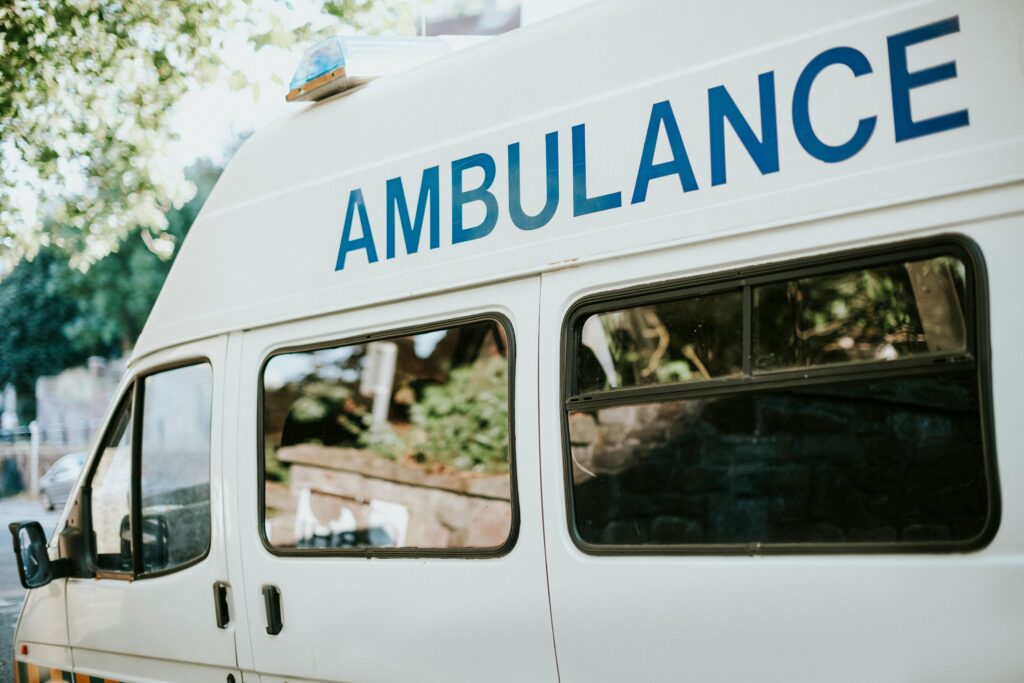
If you require the assistance of emergency services in New Zealand, call 111. This enables you to request help from ambulance, fire or police services. Response times are generally fast, with urban areas such as Auckland and Wellington seeing quicker responses than the more rural areas. The latest results (Jan 2025) from the ambulance service show that 97% of calls where there was an immediate threat to life had an ambulance attend within 12 minutes in urban areas. In rural parts of New Zealand, 94% of calls hit their 25-minute target.
Ambulances for both public and private hospitals are provided by St John’s Ambulance; however, some private ambulance services exist. These are commonly used as patient transfers, discharge transport or non-urgent medical transport and will normally be organised by the private hospital or clinic.
Vaccinations in New Zealand
If you plan to move to New Zealand, it is important to ensure your regular vaccinations are up to date. These would include your MMR, TDAP and COVID-19, for example. In addition, despite New Zealand being relatively disease-free, polio and hepatitis A & B vaccinations are recommended.
As global health guidelines can change quickly, it is advisable to consult a health professional before departure to ensure you have the correct type of vaccinations for the trip you are making.
Common health risks in New Zealand
New Zealand is a safe country with almost no dangerous species of animals that put your health at risk and a low risk of any deadly diseases. That being said, flu can be common in winter months, and TB (Tuberculosis) can be a concern in some areas, although it is deemed low risk.
Skin cancer is also a risk in New Zealand. At the time of writing, the country has one of the highest skin cancer rates in the world. This is because the ozone layer above the country is thinner than in most other nations, and in the summer months, it’s even thinner.
Foodborne and waterborne illnesses can also be an issue, so care should be taken in the purchasing, preparation and storing of food.
Tips for staying healthy in New Zealand
Expats in New Zealand can benefit from the following tips to stay healthy when in the country:
- Protect yourself from UV exposure during summer months. The thin ozone layer can lead to skin cancer, so use suitable sun creams, wear hats and reduce the amount of time outside where possible.
- Be aware of hand hygiene. Despite the low levels of risk, using hand sanitiser or frequently washing your hands will help avoid exposure to bacteria that could lead to Leptospirosis or Salmonella poisoning.
- Keep up to date with vaccinations. Keeping on top of your vaccinations will help prevent you from succumbing to various illnesses
- Monitor air quality. New Zealand has generally good air quality, but in areas such as Auckland or Christchurch, respiratory conditions can be exacerbated by vehicle and workplace emissions.
- Register with a GP and take insurance. As soon as you are in New Zealand, you should register with a local GP. As you may not be eligible for subsidised healthcare, also factor in insurance.
Useful resources
- In emergencies, call 111 for ambulance services
- Ministry of Health New Zealand: https://www.health.govt.nz/
- Expat forums for community advice:
Disclaimer
For informational purposes only
The content in this guide is for general informational and educational purposes only. It does not constitute legal, financial, tax, or medical advice.
Accuracy and currency
Regulations and laws change frequently. While we strive for accuracy, we make no guarantees that this information is complete, accurate, or up to date.
No reliance & professional advice
Do not rely on this guide as a substitute for professional advice. Always verify requirements directly with official government sources or qualified advisors before making decisions.
Limitation of liability
To the maximum extent permitted by law, Expatriate Group accepts no liability for any loss, damage, or errors arising from reliance on this information.