Health Insurance Guyana
Our expat guide to the healthcare system and health insurance in Guyana

Healthcare in Guyana offers a mix of public and private services, with varying levels of quality depending on the location. Major urban centres like Georgetown tend to have better-equipped facilities and access to trained medical professionals, whilst rural areas can face challenges such as limited resources and longer travel times to clinics or hospitals. Healthcare in Guyana is generally affordable, especially through public services. Although private care tends to be more costly, it often provides faster and more specialised treatment.
It’s important for expats to understand the healthcare system in Guyana to ensure they access the right level of care when needed. Being familiar with local options, including private clinics, emergency services, and international insurance coverage, can make a significant difference in managing health abroad.
Public healthcare in Guyana
Guyana’s public healthcare system is accessible to all residents, including citizens, permanent residents, and expats who have the appropriate visas. Services are provided through a network of government-run hospitals, regional health centres, and local clinics, with the Georgetown Public Hospital Corporation (GPHC) serving as the main referral hospital in the country.
Care is generally free at the point of use, and includes consultations, treatment, and basic medication. However, the quality of care can vary significantly. Urban facilities such as GPHC offer more comprehensive services, but rural and remote areas often have limited access to specialist care, equipment, and supplies. Public hospitals can be understaffed and overcrowded, which can lead to long wait times.
Most medical professionals speak English, which is Guyana’s official language, so communication is not usually a barrier for expats. That said, patients can still face challenges navigating the system due to inconsistencies in service delivery or gaps in specialist care. Typically, no formal registration is required to access public healthcare, although expats might be asked to show proof of residency or immigration status for non-emergency services.
Does Guyana have free healthcare?
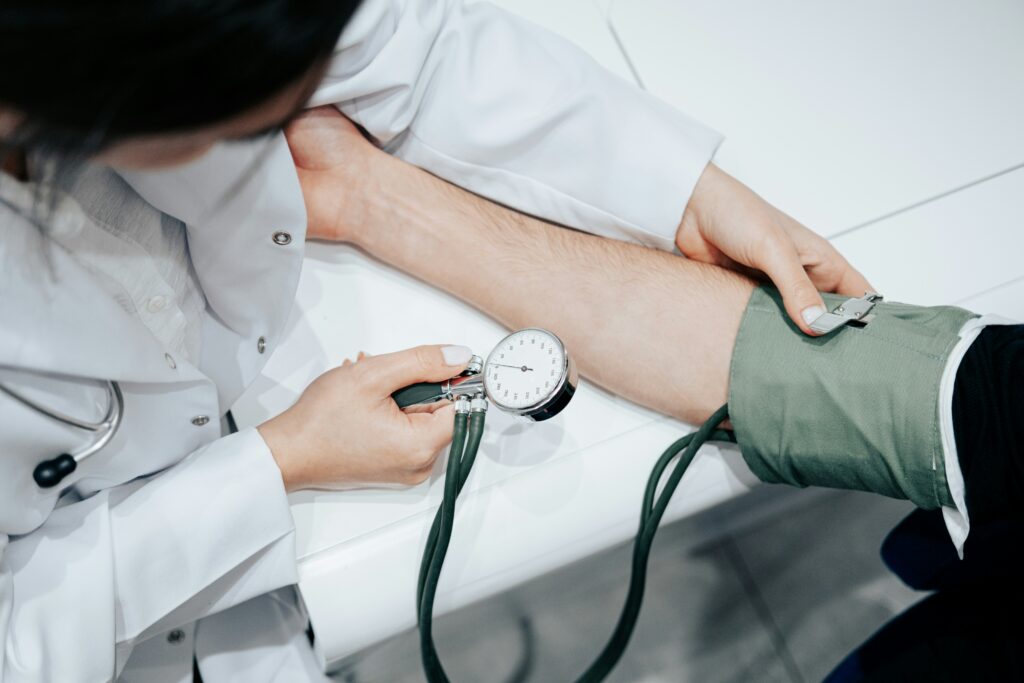
Yes, Guyana provides free public healthcare to residents. Services at government hospitals, health centres, and clinics are typically available at no cost, including consultations, treatments, and essential medications. This system is funded by the state and aims to ensure basic medical access for all, regardless of income or status.
However, whilst healthcare is officially free, patients might still encounter some indirect costs such as paying for unavailable medicines or supplies from private pharmacies, especially in under-resourced areas. Expats can usually access public healthcare without charge, but the quality and availability of services can vary depending on location. Many choose to supplement public care with private healthcare or international health insurance to ensure access to faster and more comprehensive treatment.
Private healthcare in Guyana
Private healthcare in Guyana tends to offer a higher standard of care compared to many public facilities, which makes it a popular choice among expats. Advantages include shorter wait times, more personalised service, better-equipped facilities, and a generally higher level of comfort. Most private providers have English-speaking staff, which can make communication more straightforward.
Costs for private healthcare in Guyana will vary depending on the type of service and provider. A basic consultation at a private clinic can start from around GYD 5,000–10,000 (£20–£40), whilst specialist appointments, diagnostic tests, or surgical procedures can be significantly more expensive. Patients are typically required to pay upfront unless they have insurance that is recognised by the facility.
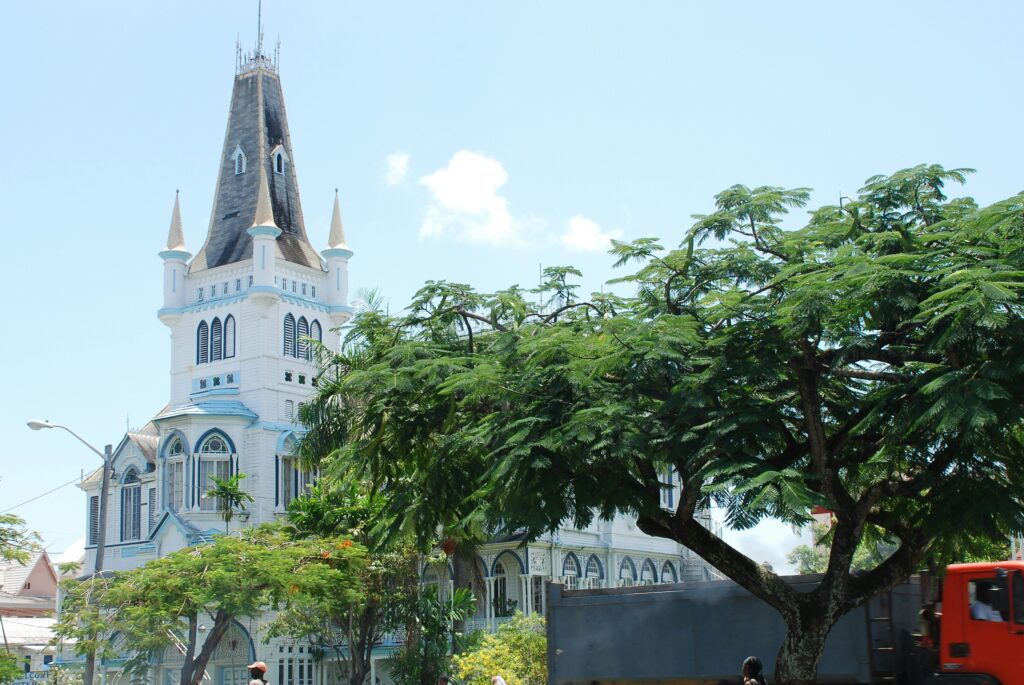
Some of the more well-known private hospitals and clinics include St Joseph Mercy Hospital and Balwant Singh’s Hospital, both based in Georgetown. These facilities are known for offering a wider range of specialist services, including diagnostics, maternity care, and surgery.
Private healthcare is accessible without insurance but having international health insurance is usually strongly recommended. It helps cover higher costs, provides access to a broader network of providers, and will often include the option for medical evacuation if needed, particularly in cases where treatment is not available locally.

Health insurance for expats in Guyana
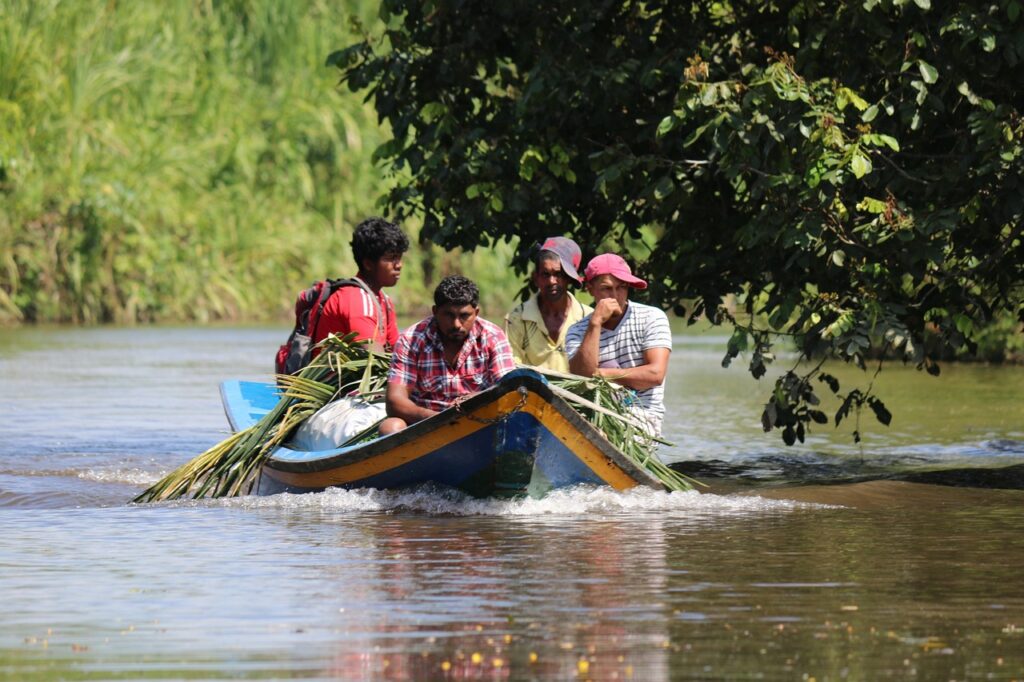
Health insurance is not legally mandatory for expats living in Guyana, but it is often recommended. Public healthcare is free, but it often doesn’t meet the expectations of many expats, particularly for specialist care or in emergency situations. Private healthcare can be costly, and in more serious cases, medical evacuation to another country may be necessary, which makes making comprehensive insurance an important safeguard.
Many expats opt for international health insurance plans, as local insurance options are limited and may not offer the same level of coverage or support. International plans often include access to private clinics and hospitals, cover for outpatient and inpatient care, emergency treatment, and medical evacuation. Some policies will also include dental, optical, and mental health services, depending on the level of cover selected. Common exclusions include pre-existing conditions, elective treatments, and high-risk activities, unless these are added to the policy for an additional cost.
The costs for international health insurance will vary based on your age, medical history, coverage level, and provider, but expats can expect to pay anywhere from £1,000 to £4,000 per year for comprehensive cover. Policies can be purchased directly from insurers or through specialised brokers, with many offering flexible plans tailored to regional healthcare conditions and expat needs.
Pharmacies and medication in Guyana
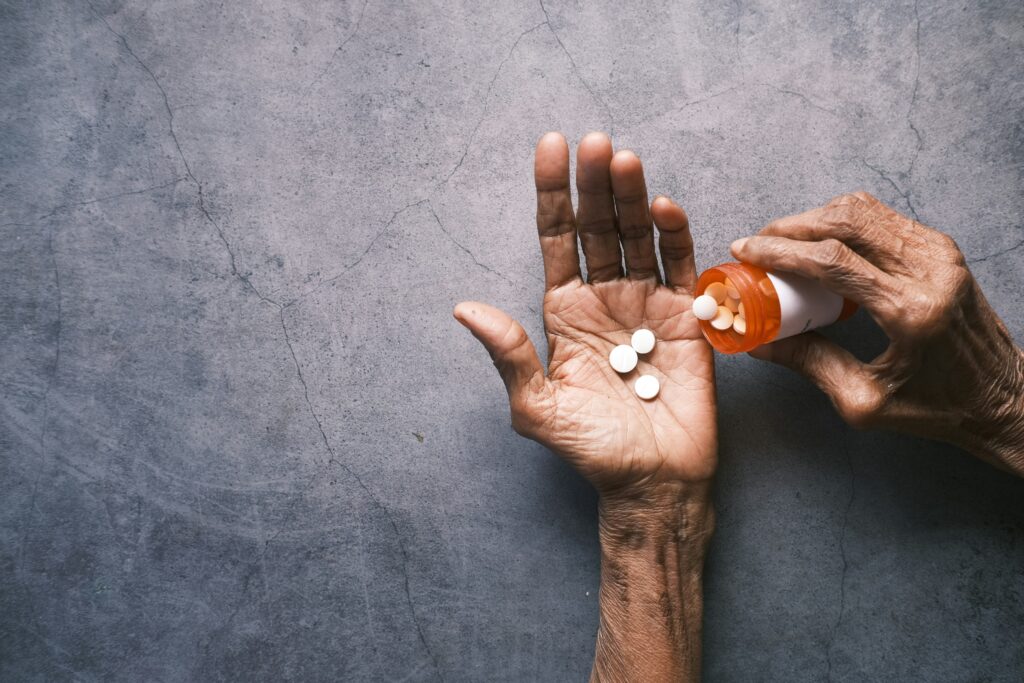
Pharmacies are widely available in urban areas of Guyana, particularly in Georgetown, and stock a broad range of over-the-counter and prescription medications. Common medicines are generally easy to obtain, although availability can be inconsistent for specialist drugs or specific brands. Some medications that require a prescription in other countries might be available over the counter in Guyana, but it’s still advisable to have a valid prescription when possible, especially for controlled substances.
To fill a prescription, expats can visit any licensed pharmacy with a doctor’s note or prescription from either a public or private healthcare provider. Costs are typically paid out of pocket, as prescriptions are not usually subsidised. Prices tend to be lower than in many Western countries, but the quality and authenticity of medicines can vary between pharmacies. For regular or specialist medications, expats often choose to use reputable, well-known pharmacies or consider sourcing medicines through their international insurance provider.
Hospitals in Guyana

Public vs private hospitals
Guyana’s hospital system consists of both public and private facilities, with the public sector offering free services through regional hospitals and health centres. The Georgetown Public Hospital Corporation (GPHC) is the country’s largest public hospital and serves as the main referral centre. Private hospitals, while fewer in number, offer a higher standard of care and are the preferred choice for many expatriates due to better service, equipment, and shorter waiting times.
Quality of hospitals in Guyana
Most hospitals in Guyana do not operate at internationally accredited levels such as JCI (Joint Commission International), and the healthcare infrastructure can vary widely in quality. Public hospitals can suffer from overcrowding and underfunding, and leading private hospitals such as St Joseph Mercy Hospital and Balwant Singh’s Hospital generally provide more reliable care. That said, expats with complex or high-risk health needs often consider evacuation to nearby countries for more advanced treatment.
English-speaking staff in Guyanese hospitals
English is the official language of Guyana, and most hospital staff, both public and private, communicate fluently in English. As a result, language barriers are rarely an issue for expats. Interpreters are generally not needed, and written materials such as prescriptions or discharge summaries are typically in English.
Top hospitals in major cities
The best-equipped hospitals are located in Georgetown, the capital and largest city. GPHC, St Joseph Mercy Hospital, and Balwant Singh’s Hospital are among the most prominent institutions. Smaller cities and rural regions have basic hospitals and health centres, but these are often limited in terms of resources, specialist care, and diagnostic equipment.
Services offered in hospitals in Guyana
Hospitals in Guyana offer a range of services, including emergency care, general surgery, maternity services, diagnostics, and outpatient consultations. Private hospitals are more likely to offer specialist services and surgical procedures, whilst public hospitals handle the bulk of emergency and general care. Advanced treatments can be limited in Guyana, so some expats seek care abroad when necessary.
Hospital admission process
Both public and private hospitals accept walk-ins for emergency care. For specialist consultations or planned procedures, a referral from a GP will typically be required, especially in the public system. Private hospitals are more flexible and may accept patients without referrals, particularly for consultations or diagnostics.
Costs of healthcare in Guyanese hospitals
Public hospital services are free for residents, including many expats who havevalid visas. However, private hospital costs vary widely. Outpatient consultations may range from GYD 5,000 to GYD 15,000 (£20-£60), while inpatient care or surgery can run into the hundreds of thousands of Guyanese dollars. Payment is usually required upfront unless you have accepted insurance.
Facilities and comfort
Private hospitals in Guyana tend to offer more comfortable facilities, including private rooms and in some cases VIP suites. Cleanliness and comfort standards are typically higher in private facilities. Public hospitals have more basic accommodation, often with shared wards and minimal amenities.
Healthcare insurance acceptance
Some private hospitals accept international health insurance, but it’s common for patients to pay upfront and seek reimbursement later. It’s advised to confirm coverage and claims procedures in advance of receiving treatment. Public hospitals generally do not process private insurance claims, as services are provided free of charge.
Guyana emergency services

In the event of a medical emergency in Guyana, the national emergency number to call for an ambulance is 912. However, response times can vary significantly, particularly outside of Georgetown and other major towns. Ambulance availability is limited in some areas, and vehicles might not always be fully equipped with advanced life-support capabilities. As a result, some private hospitals operate their own ambulance services, which might be more reliable and better resourced.
Emergency care in public hospitals is available, but it’s often overstretched, which leads to long waits and limited capacity to deal with complex cases. Private hospitals tend to offer faster and more efficient emergency treatment, although upfront payment is usually required. Expats are advised to identify the nearest reputable private facility in advance and keep emergency contact numbers easily accessible. In serious cases, especially where advanced care is needed, medical evacuation to a neighbouring country may be the safest option, so having insurance that includes this cover is essential.
Vaccinations in Guyana
Routine vaccinations such as measles-mumps-rubella (MMR), diphtheria-tetanus-pertussis, polio, and influenza should be up to date. In addition, vaccines for hepatitis A, hepatitis B, typhoid, and yellow fever are often advised, particularly for those planning to spend time in rural or remote areas. Yellow fever vaccination might be required for travellers arriving from countries where the disease is endemic, and proof of vaccination could be requested at the border.
Depending on your length of stay and lifestyle, other vaccinations such as rabies and malaria prophylaxis might be recommended. Malaria risk is present in some inland areas, so it’s important to consult a travel health specialist at least 6–8 weeks before departure. Expats moving to Guyana should also discuss longer-term vaccination plans with their GP or travel clinic to ensure they’re adequately protected.
Common health risks in Guyana
Mosquito-borne illnesses such as dengue fever, Zika virus, and chikungunya are present in Guyana, particularly during the rainy seasons. Malaria is also a concern in some inland and forested regions, although the risk is lower in coastal urban areas. Waterborne and foodborne illnesses such as diarrhoea, hepatitis A, and typhoid are also relatively common, especially where sanitation or food hygiene is poor.
To reduce the risk of illness, expats should take standard preventive measures. These include using insect repellent, wearing long-sleeved clothing, and sleeping under mosquito nets when in higher-risk areas. Drinking bottled or purified water, avoiding raw or undercooked food, and practising good hand hygiene can also help prevent gastrointestinal infections. Those spending time outdoors or in rural regions should consider malaria prophylaxis, and it’s wise to carry a basic medical kit with essentials for treating minor health issues.
Tips for staying healthy in Guyana

Here are some tips to help expats stay healthy while living in Guyana:
- Drink safe water by choosing bottled or purified sources to reduce the risk of waterborne illnesses, especially in rural areas.
- Protect against mosquito bites by using insect repellent, wearing long sleeves and trousers, and sleeping under a mosquito net, especially in regions where dengue, malaria, and chikungunya are present.
- Be careful with food by avoiding undercooked meat, unwashed fruit and vegetables, and street food that may not be prepared under hygienic conditions.
- Limit sun exposure by using sunscreen, wearing a hat and sunglasses, and avoiding prolonged time outdoors during peak sun hours.
- Exercise with caution by staying hydrated and avoiding strenuous activity during the hottest times of day, particularly in the interior regions.
- Keep essential medications and a basic first aid kit on hand, especially if you’re travelling outside of Georgetown where pharmacies may be limited.
- Stay current with vaccinations, including hepatitis A, typhoid, and yellow fever if travelling from a risk area.
- Register with a private clinic or trusted healthcare provider after arrival to ensure quicker access to care in case of illness or emergency.
- Know local emergency contacts, including the nearest private hospital and ambulance services, as public emergency response can be limited.
Useful resources
- Emergency number for medical assistance: 913
- Emergency number for fire assistance: 912
- Emergency number for police assistance: 911
- Guyana Ministry of Health: https://www.health.gov.gy/
- Guyana expat forums for community advice:
Disclaimer
For informational purposes only
The content in this guide is for general informational and educational purposes only. It does not constitute legal, financial, tax, or medical advice.
Accuracy and currency
Regulations and laws change frequently. While we strive for accuracy, we make no guarantees that this information is complete, accurate, or up to date.
No reliance & professional advice
Do not rely on this guide as a substitute for professional advice. Always verify requirements directly with official government sources or qualified advisors before making decisions.
Limitation of liability
To the maximum extent permitted by law, Expatriate Group accepts no liability for any loss, damage, or errors arising from reliance on this information.