Health Insurance Dubai
Our expat guide to the healthcare system and health insurance in Dubai

Dubai has a world-class healthcare system that combines advanced medical technology with high standards of care. For expats, it’s essential to understand how this system operates, not just for peace of mind, but so you can confidently navigate everything from routine check-ups to medical emergencies.
Affordability and accessibility of healthcare in Dubai will vary depending on your residency status and insurance coverage, and while English is widely spoken in most medical settings, navigating the system can still be complex without the right information. This guide will help you understand the key aspects of healthcare in Dubai, so you can ensure you’re fully prepared.
Public healthcare in Dubai
Public healthcare in Dubai is overseen by the Dubai Health Authority (DHA) and is primarily designed for Emirati citizens, who receive free or heavily subsidised care. Expats can also access public healthcare services, but only if they hold a valid residence visa and have a health card issued by the DHA.
The quality of care in public hospitals and clinics is generally high, with modern facilities, well-trained medical staff, and access to a wide range of services. That said, public hospitals tend to be busier than private ones, which can result in longer waiting times for non-urgent appointments.
To access the public system, expats must apply for a DHA health card; to do this, you’ll need to submit an application online or in person, provide identification documents, and pay the fee. The card will then allow you to use government-run hospitals and clinics at subsidised rates.
However, there are some limitations of the Dubai public healthcare system that expats should be aware of. Whilst many healthcare professionals speak English, language barriers can still arise, especially in administrative settings. Public facilities can sometimes be crowded, and some services or specialists may have limited availability. In addition, not all procedures or medications may be covered, so it can be beneficial to have supplementary private insurance to fill any gaps.
Does Dubai have free healthcare?

Healthcare in Dubai is not universally free. Emirati citizens are entitled to free or heavily subsidised care through the public healthcare system. However, access to free healthcare is limited for expats.
Expats are required to have health insurance by law, and while they can use public hospitals and clinics if they hold a valid residence visa and DHA health card, they will usually pay subsidised rates rather than receiving treatment free of charge. These costs are generally affordable, but they will vary depending on the type of service and the level of insurance cover.
In practice, most expats rely on private healthcare for faster access, wider specialist options, and greater convenience. Private care is not free and can be expensive without adequate insurance, which is why most employers are required to provide a basic level of cover as part of a residency visa.
Private healthcare in Dubai
Private healthcare in Dubai is widely regarded for its efficiency, comfort, and high standards. Many expats choose private facilities over public ones due to shorter waiting times, modern amenities, and a more personalised level of care. Clinics and hospitals in the private sector often offer a more luxurious experience, as well as minimal queues and English-speaking staff, which can be reassuring for those unfamiliar with the local language or medical system.
Costs in the private sector can vary significantly depending on the service, provider, and level of insurance cover. A standard GP consultation might range from AED 250 to AED 600, while specialist appointments, diagnostic tests, or surgical procedures can be considerably higher. Without private international health insurance, these costs can quickly add up.
Some of the most well-known private hospitals and medical centres in Dubai include Mediclinic, American Hospital Dubai, Emirates Hospital, and Saudi German Hospital. These facilities are popular among expats due to their international standards and comprehensive range of services.
Health insurance is mandatory for all residents in Dubai, and most employers are required to provide a minimum level of cover for their employees. However, many expats often choose more comprehensive insurance plans that cover a wider network of hospitals, higher treatment limits, and additional benefits such as dental or maternity care. Having the right insurance not only helps manage costs but also ensures smoother access to top-tier medical services.

Expat health insurance Dubai
Health insurance is mandatory for all expats living and working in Dubai. Under local law, employers are legally required to provide at least a basic level of health insurance for their employees. However, this minimum cover may not extend to dependants such as spouses and children, meaning many expat families need to arrange additional or more comprehensive policies themselves.
Expats typically choose between local and international health insurance plans. Local plans tend to be more affordable and are accepted widely within Dubai, especially for routine care. However, they generally offer limited cover outside the UAE. International plans, on the other hand, can be more suitable for frequent travellers or expats who want the flexibility to access care in multiple countries, including their home country. These plans often provide higher coverage limits and broader benefits, albeit at a higher cost.
Most health insurance policies in Dubai cover basic outpatient care, hospital stays, emergency treatment, and some prescription medication. However, exclusions are common and can include dental and optical care, pre-existing conditions, maternity (unless specifically included), and mental health support. It’s important to read the policy details carefully to understand what’s included and what’s not.
Costs of health insurance in Dubai vary depending on age, level of cover, and whether the policy is local or international. A basic plan can start from around AED 600 to AED 1,500 per year, whilst comprehensive family or international plans can cost several thousand dirhams annually. Insurance can be purchased through local providers, international providers, or comparison websites.
Pharmacies and medication in Dubai
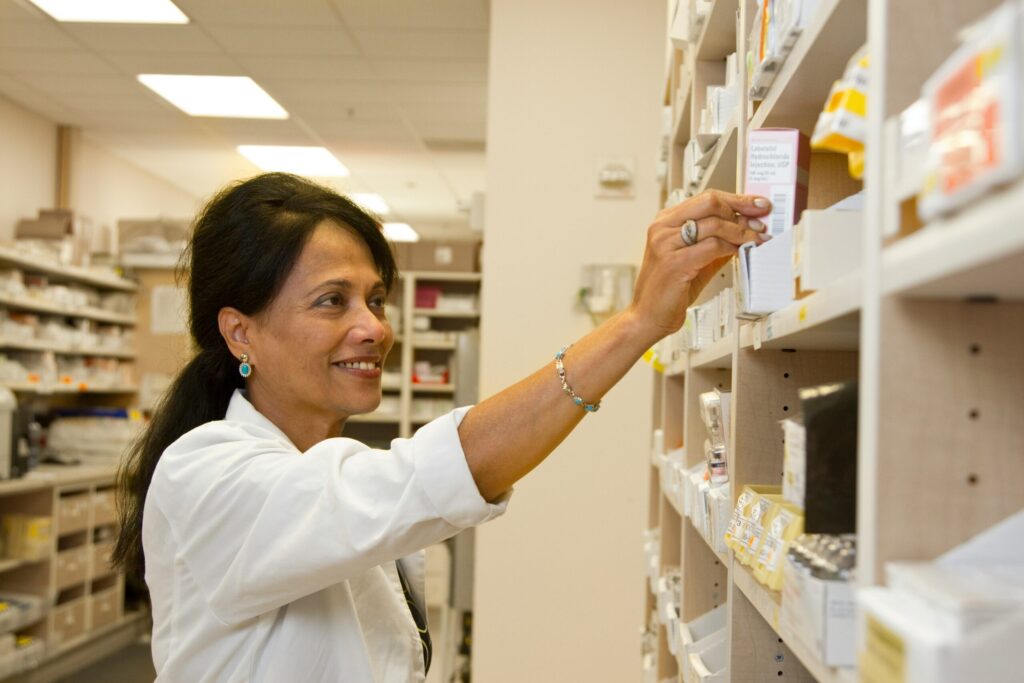
Pharmacies are easy to find throughout Dubai, and many open late or even operate 24/7. They typically have a wide range of medications available, including both prescription and over-the-counter drugs. Whilst common items like painkillers and cold remedies are readily accessible, some medicines, such as strong painkillers or sedatives, will require a prescription due to strict local regulations. It’s also important to be aware that certain substances that are legal elsewhere may be banned entirely in the UAE.
To fill a prescription, you’ll need one issued by a licensed doctor in Dubai, which can be taken to any pharmacy or an in-house dispensary at many clinics and hospitals. Medication costs will vary depending on whether the drug is generic or branded, and some imported items will have a higher price than local options. If you have health insurance, your policy may cover all or part of the cost, depending on the level of cover and the approved medication list.
Dubai hospitals

Public vs private hospitals in Dubai
Dubai’s hospital system is divided into public and private sectors. Public hospitals are managed by the Dubai Health Authority (DHA) and are primarily used by Emirati citizens, although expats who have a valid residence visa and health card can access services at subsidised rates. Private hospitals, on the other hand, are more commonly used by expats due to shorter wait times, personalised care, and higher levels of comfort.
Quality of Dubai hospitals
The quality of healthcare in Dubai is high across both sectors. Many hospitals, particularly in the private sector, meet international standards, with many accredited by the Joint Commission International (JCI). Facilities such as Mediclinic City Hospital, American Hospital Dubai, and Saudi German Hospital are widely regarded amongst expats for their advanced technology, range of specialisms, and excellent patient care.
Language and communication in Dubai hospitals
English is widely spoken throughout Dubai’s healthcare system, especially in private hospitals. Most medical staff, including doctors, nurses, and administrative personnel, are fluent in English, which makes navigating the system easier for non-Arabic speakers. Some hospitals also offer interpreter services for other languages, particularly in facilities that cater to international patients.
Major Dubai hospitals
Dubai city itself hosts the vast majority of the emirate’s top hospitals, with well-established institutions spread across key areas such as Dubai Healthcare City, Al Barsha, and Oud Metha. The most notable hospitals include Mediclinic Parkview Hospital, King’s College Hospital London – Dubai, and Canadian Specialist Hospital. These offer a full range of services and are particularly popular with expats as they adhere to international healthcare standards.
Services offered in Dubai hospitals
Hospitals in Dubai offer a comprehensive range of services, including 24/7 emergency care, maternity and paediatric services, specialist outpatient clinics, surgical procedures, and intensive care units. Many hospitals also provide wellness checks, chronic disease management, rehabilitation, and cosmetic procedures.
Hospital admissions and referrals
For treatment in public hospitals in Dubai, you’ll usually require a referral from a general practitioner or specialist, unless it’s an emergency. In private hospitals, many services accept walk-in patients, although some specialist consultations might still require a referral or prior appointment. In emergencies, both public and private hospitals are legally obliged to provide stabilising treatment regardless of insurance status.
Costs of hospital treatment in Dubai
Costs for treatment vary widely between public and private hospitals. A basic consultation at a private facility can range from AED 250 to AED 600, while inpatient care can cost several thousand dirhams per night depending on the treatment and room type. Public hospitals are more affordable but could still involve co-payments for expats. Some hospitals require upfront payment if insurance details are not provided in advance.
Facilities and comfort
Dubai’s private hospitals often provide high levels of comfort, with options including standard shared wards, private rooms, and VIP suites that resemble hotel accommodation. Amenities can include en-suite bathrooms, room service, and family accommodation. Public hospitals offer good quality care but typically have fewer luxury features.
Hospital billing
Most private hospitals in Dubai accept both local and international insurance plans and often bill the insurer direct if they are in their approved network. However, some hospitals will require upfront payment, and reimbursement will then need to be arranged through your provider. It’s advisable to confirm in advance whether your insurance is accepted with your chosen hospital and what paperwork will be required to avoid delays or out-of-pocket expenses.
Emergency services in Dubai
In Dubai, emergency services can be reached by dialling 998 for an ambulance or 999 for police. Operators will typically speak English, and response times are fast, especially in urban areas. Ambulances are well-equipped and staffed by trained paramedics, and patients will be taken to the nearest appropriate hospital, whether public or private.
The emergency care in Dubai is generally of a high standard, and is provided 24/7. Private hospitals can sometimes provide quicker admission and more comfort, but treatment can be costly without adequate insurance. Expats should always carry their Emirates ID and health insurance card, and know which hospitals are in their insurance network to avoid delays or unexpected expenses in an emergency.
Vaccinations in Dubai
There are no mandatory vaccinations required for moving to Dubai for most travellers, but it’s recommended to be up to date on routine vaccines such as MMR, diphtheria-tetanus-pertussis, polio, and hepatitis A. You may also need additional vaccines like hepatitis B or rabies, depending on your travel history or length of stay. If you travel to Dubai from countries with a risk of yellow fever, you may also need proof of vaccination.
In addition, many expats will need to undergo a health check as part of the residency visa application process. This typically includes screening for infectious diseases such as tuberculosis and hepatitis, and will involve a basic medical examination.
Common health risks in Dubai
Dubai’s climate and environment present a few health risks that expats should be aware of. This includes some mosquito-borne illnesses such as dengue fever, which are more common during the warmer months when mosquitoes are most active. You can use insect repellent and mosquito nets to help reduce the risk.
Foodborne illnesses, including bacterial infections like salmonella, can occur if food hygiene standards are not maintained. You can drink bottled or filtered water and ensure you eat food from reputable sources to avoid these types of illnesses.
The intense heat during the summer increases the chances of dehydration and heat-related illnesses, so it’s important to stay well hydrated and avoiding prolonged exposure to the midday sun during the hottest months is essential. Maintaining good personal hygiene and following local health advice can help to further minimise the risk of illness.
Tips for staying healthy in Dubai
Here are some tips for expats to stay healthy when living in Dubai:
- Drink bottled or filtered water and avoid ice from unverified sources
- Eat at reputable restaurants and ensure food is freshly prepared and properly cooked
- Limit outdoor activities during dust storms or high pollution days
- Use sun protection, including sunscreen and protective clothing, and avoid direct sun exposure during peak hours
- Stay hydrated, especially in the summer months
- Dress modestly and respect local customs to avoid unnecessary attention or stress
- Allow time to adjust to the climate, particularly if arriving from a cooler country
- Keep any necessary medications with you, along with a copy of your prescription
Useful resources
- Emergency number for medical assistance: 998
- Emergency number for fire assistance: 997
- Emergency number for police assistance: 999
- Non-emergency medical advice: 800-DHA (342)
- Dubai Health Authority (DHA) – official website for government health services: https://www.dha.gov.ae
- Ministry of Health and Prevention (MOHAP) – national health regulations and updates: https://www.mohap.gov.ae
- Dubai expat forums for community advice:
Disclaimer
For informational purposes only
The content in this guide is for general informational and educational purposes only. It does not constitute legal, financial, tax, or medical advice.
Accuracy and currency
Regulations and laws change frequently. While we strive for accuracy, we make no guarantees that this information is complete, accurate, or up to date.
No reliance & professional advice
Do not rely on this guide as a substitute for professional advice. Always verify requirements directly with official government sources or qualified advisors before making decisions.
Limitation of liability
To the maximum extent permitted by law, Expatriate Group accepts no liability for any loss, damage, or errors arising from reliance on this information.