Health Insurance Iceland
Our expat guide to the healthcare system and health insurance in Iceland

Iceland’s modern and reliable healthcare system consistently ranks among the best in the world for quality, safety and overall patient outcomes. For expats, one of the most reassuring aspects of life in Iceland is the high level of professionalism among medical staff, many of whom speak excellent English and are accustomed to treating international patients.
Healthcare facilities across the country are clean, well-organised and equipped to a high standard, particularly in Reykjavik, which is home to Iceland’s main hospitals and specialist centres.
As an expat, one key consideration when moving to Iceland is the length of time it may take to access public healthcare. While residents have strong entitlements, expats do not gain automatic access on arrival and must wait several months before becoming eligible. Understanding the healthcare system is important to help you with moving to Iceland.
Public healthcare in Iceland
Public healthcare in Iceland is funded through taxation and administered nationally, offering residents a comprehensive system that covers primary care, specialist services, hospital treatment and emergency care.
However, expats should be aware that access is not immediate, and you can only become fully eligible for subsidised public healthcare once you have lived in Iceland as a legal resident for six consecutive months. Until then, you are required to hold private health insurance, and this rule applies to most non-EEA nationals.
The quality of public healthcare is excellent, with well-trained doctors and modern facilities. Patients typically register with a local health centre, where general practitioners act as the first point of contact and manage referrals to specialists. Although healthcare standards are high, the system does experience some waiting times for non-urgent care due to its universal access.
Costs for patients are in the form of co-payments for GP visits, tests and outpatient services, although these charges are capped each month to ensure affordability, whereas hospitalisation is usually covered almost entirely by the public system.
One challenge for expats is that booking appointments or accessing online health portals are often in Icelandic, but medical staff generally communicate clearly in English. Understanding how to register for public healthcare once you become eligible and knowing what is and isn’t covered is important for expats transitioning into the public system in Iceland.
Does Iceland have free healthcare?
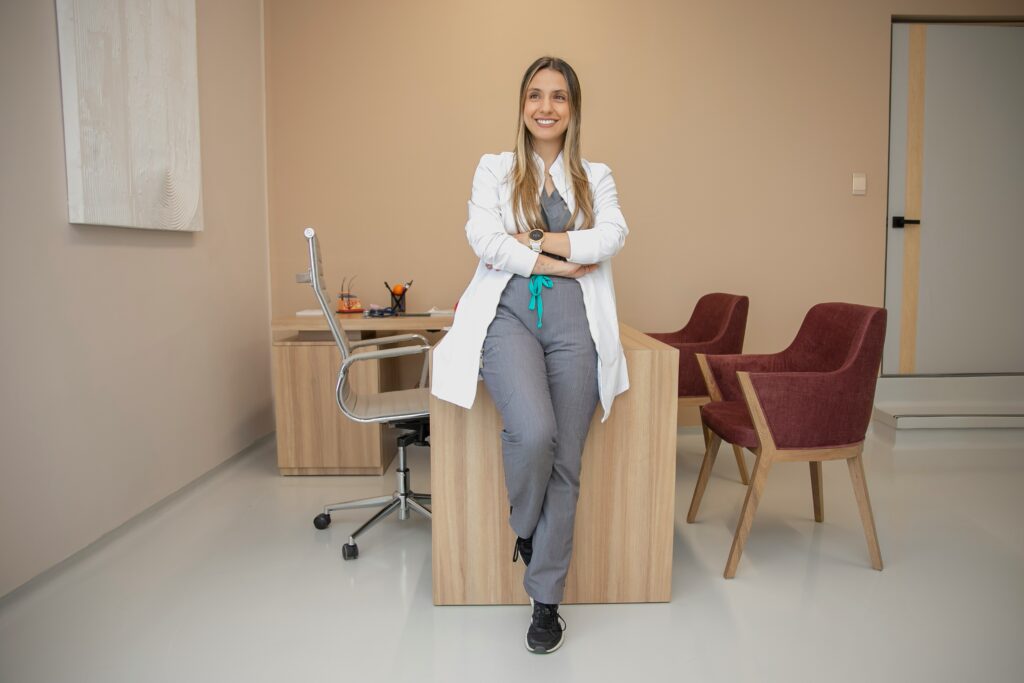
Iceland’s healthcare system is largely government-subsidised, so residents pay far less than the actual cost of medical treatment. However, most day-to-day services, such as GP visits, outpatient specialist care, lab tests, and certain treatments, require co-payments.
To protect patients from high costs, annual and monthly caps are in place, keeping healthcare financially accessible. Some services are fully or nearly free, including inpatient hospital care, maternity services, and most care for children under 18. Dental care, by contrast, is only subsidised for children, with adults covering most costs themselves.
Prescription medicines follow a tiered subsidy system, where patients pay part of the cost until reaching a set threshold.
Expats must have private insurance for the first six months, as healthcare is not free until residency is established. After registration, expats access the same subsidised care as Icelandic citizens, benefiting from the system’s broad coverage and cost protections while still contributing modest co-payments for many services.
Private healthcare in Iceland
Private healthcare in Iceland is smaller than in other European countries, largely because the public system is so comprehensive. There are very few private hospitals, but several private clinics and specialists operate across Reykjavik and other urban areas. These services typically focus on elective procedures, quicker access to certain specialists, diagnostic services and areas that are not fully covered by the public system, such as some forms of physiotherapy, dermatology, fertility treatment or elective surgery. Private healthcare in Iceland is well regarded for its quality of specialists and comfort, although the facilities tend to be smaller and more specialised compared with the large public hospitals.
For expats, private care is appealing for often its speed and convenience as waiting times can be shorter for consultations, making it useful during the months before public insurance entitlement begins. Many private clinicians are also bilingual, offering a smoother experience for English speakers.
Costs vary widely depending on the service, but it can be expensive if used regularly without adequate insurance. Most expats have local private or international insurance to cover them during the initial six-month period and to provide ongoing support for services not included in the public system.


Health insurance for expats in Iceland
Health insurance is a crucial part of moving to Iceland and is effectively mandatory for expats who have not yet qualified for public healthcare. New arrivals without an entitlement from another European country must hold private insurance for the first six months, covering everything from GP visits to emergency care and this requirement ensures that you are protected financially, as you will not be eligible for public subsidies during this period.
International health insurance is often preferred by expats because it provides broader coverage, flexibility to use private clinics and options such as repatriation, maternity cover, dental benefits and mental-health support.
Local Icelandic insurers also provide short-term and long-term health insurance policies, although these may be more limited. Once you have completed the six-month residency period and are officially registered with the public system, your insurance requirements may change. Some expats keep their international insurance for additional cover and to reduce waiting times, while others rely primarily on the public system and use private insurance only for gaps such as adult dental care or elective treatment.
Typical costs of health insurance depend on age, health history, family size and the level of cover selected and purchasing health insurance is straightforward and can be arranged before arrival, which is advisable to ensure uninterrupted protection from the day you land in Iceland.
Pharmacies and medication in Iceland

Pharmacies in Iceland are well regulated and easy to access, with most towns having at least one. They offer a standard range of prescription medicines, over-the-counter treatments and general health products, though some medications that might be over-the-counter in the UK require a prescription in Iceland. Specialty or long-term medications are also generally accessible, but it’s recommended that you bring an initial supply when relocating to avoid delays.
Prescription medications are subsidised through a structured system once you are eligible for public healthcare, meaning your contribution decreases as your annual medicine costs grow. Before qualifying for public health insurance, you must pay the full price and then claim through your private policy if applicable, so keeping receipts and details is important.
To fill out a prescription, you will need to visit any pharmacy and present your identification and, once you have your Icelandic personal identification number, prescriptions are usually stored electronically. Pharmacists typically speak excellent English and can explain dosage, alternatives and important considerations for new residents.
Hospitals in Iceland
Public vs private hospitals
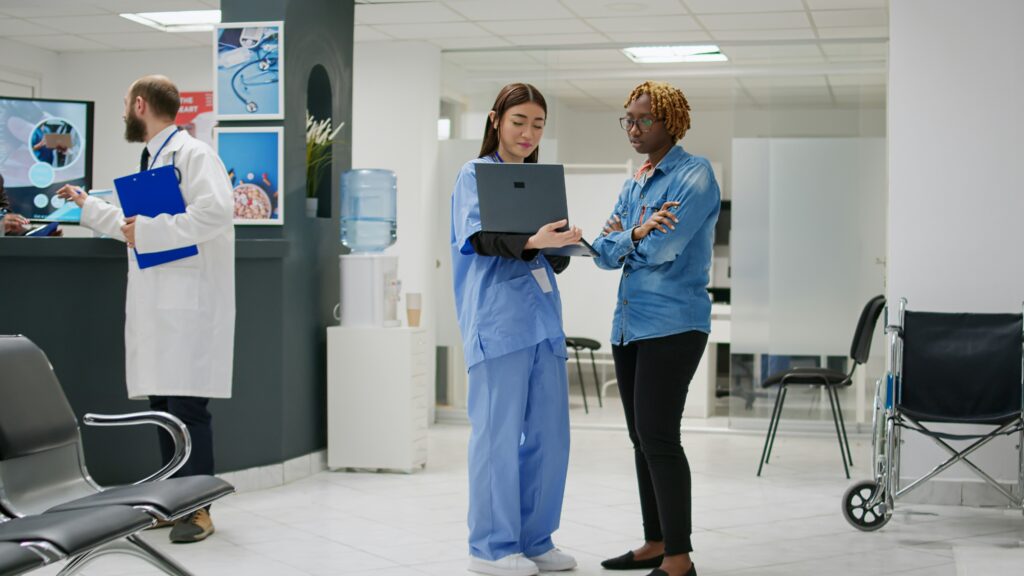
Hospitals in Iceland operate almost entirely within the public system, which provides the majority of emergency and specialised care across the country.
Private hospitals and clinics are much smaller, mainly offering non-emergency services, elective surgeries, and certain cosmetic or specialised procedures, and they typically charge higher fees since they are not fully government-subsidised.
Quality of hospitals in Iceland
Hospital standards in Iceland are high, with well-trained medical staff and modern equipment. Due to Iceland’s small population, there are fewer large hospitals, but this allows for more efficient, coordinated care and faster access to essential services.
Private clinics and hospitals are also high quality, modern, well-equipped, and known for short wait times and high patient satisfaction.
English-speaking staff in Iceland hospitals
For expats, one of the greatest advantages of moving to Iceland is that hospital staff in Reykjavik almost always speak English, which ensures clear communication during treatment. However, in more rural hospitals, English is common but may be less prevalent among non-clinical staff.
Top hospitals in Iceland
Landspítali University Hospital in Reykjavik is the main and largest hospital in Iceland and not only does it provide a full range of services, but it also acts as a university and medical training hospital.
Akureyri Hospital is the main hospital for Northern Iceland, serving as the primary regional centre outside the capital.
Services offered in hospitals in Iceland
Public hospitals in Iceland provide 24/7 emergency services, specialist care, advanced diagnostics, maternity, surgery and intensive care.
However, private hospitals and clinics, which are smaller and mostly outpatient-based, focus on scheduled and minor surgeries, specialist consultations, diagnostics, fertility services, dermatology, mental health services, physiotherapy, and dental or cosmetic procedures.
Hospital admissions process
The hospital admissions process is another advantage of healthcare in Iceland as it’s often simple and straightforward, and emergency departments accept walk-ins when appropriate, ensuring timely care for urgent and unexpected medical situations.
Cost of healthcare in Iceland hospitals
Once you qualify for public insurance, most hospital services are heavily subsidised or free, with only modest fees for certain types of outpatient care. Before this access period, expats must rely on private insurance to cover the costs, and some hospitals may request payment upfront if international insurance is used.
Facilities and comfort
Hospitals are generally clean, safe, and functional, but often smaller and less luxurious than private hospitals abroad, as they focus on practicality rather than comfort. Rooms are generally functional, with private or semi-private options in larger hospitals.
Health insurance acceptance
For non-emergency specialist treatment, a referral from a GP is usually required, which reflects Iceland’s structured public system. Before this access period, expats must rely on private insurance to cover the costs, and some hospitals may request payment upfront if international insurance is used.
Iceland emergency services
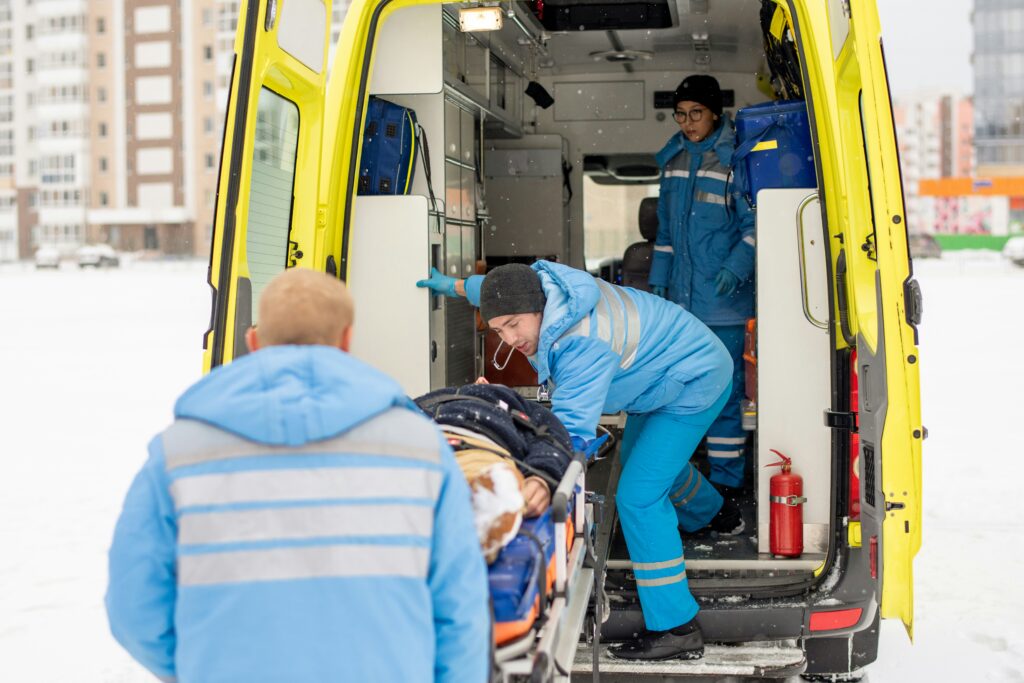
Iceland’s emergency services are reliable and accessible. In a medical emergency, dialling 112 connects you to the country’s emergency response centre for ambulance, police and fire services.
Ambulances are equipped with trained professionals who can provide advanced care, with the quality of service particularly strong in Reykjavik and other populated areas. In remote regions, ambulance response times can be longer, but emergency teams are well equipped to manage urgent situations.
Emergency care in hospitals is delivered quickly and professionally, with English generally spoken by the staff. If you are not yet eligible for public healthcare, emergency treatment will still be provided, but you may be responsible for costs unless covered by private insurance.
For non-life-threatening issues outside normal hours, out-of-hours clinics operate in certain locations, especially in the capital region.
Expats should always keep their ID and insurance details accessible, as these may be requested during treatment.
Vaccinations in Iceland
There are no special vaccination requirements for travellers or expats entering Iceland, and most visitors from the UK and Europe will already meet the standard immunisation expectations. However, routine vaccinations such as MMR, tetanus, diphtheria and polio should be up to date before arrival. Influenza vaccinations are also widely encouraged each winter, both for locals and newcomers, due to the long cold season.
Once you are registered with the public system, vaccination advice and booster schedules can be discussed with your GP, who can also arrange any additional immunisations based on personal health needs or planned travel.
This makes the vaccination requirements simple, familiar and easy to manage for anyone coming from the UK or similar healthcare systems.
Common health risks in Iceland
Iceland is a healthy destination, with no tropical diseases and a low risk of infectious illness.
However, expats should prepare for the long, dark winters that can contribute to seasonal affective disorder (SAD), heavily affect mood, sleep and energy levels. To help maintain wellbeing during this period, many residents will use light therapy, engage in regular exercise and take vitamin D supplements.
The weather in Iceland varies, and outdoor activities such as hiking or exploring volcanic landscapes can carry risks if precautions are not taken as slippery surfaces, sudden temperature drops and strong winds are some common causes of minor injuries.
Those with asthma or respiratory sensitivities may also occasionally notice irritation from volcanic activity or sulphur in certain areas, although this can be infrequent.
Tips for staying healthy in Iceland
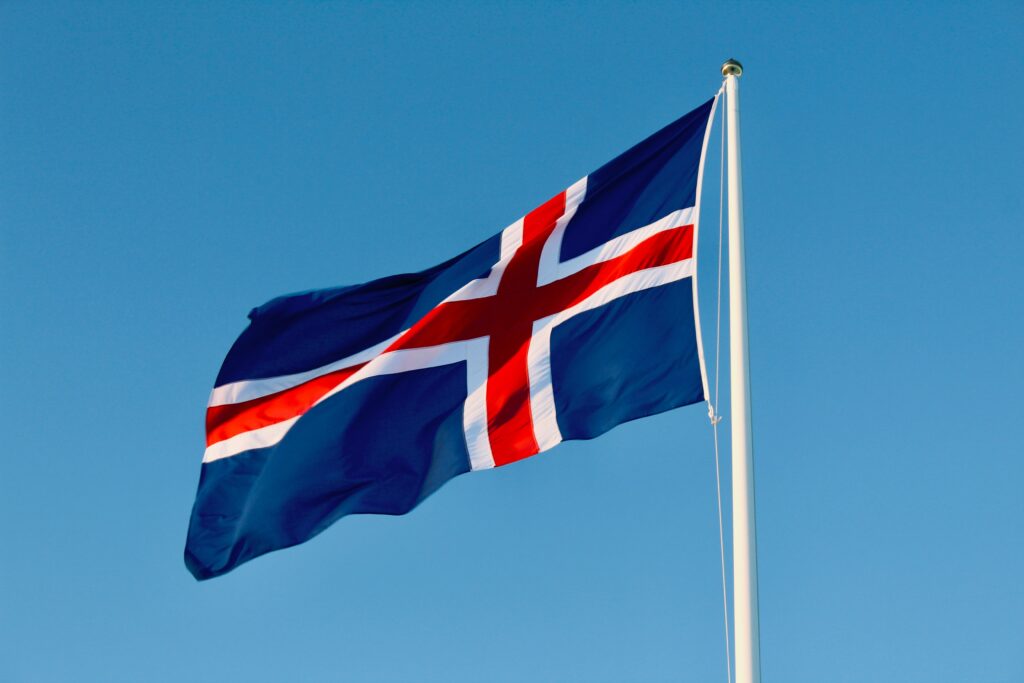
Staying healthy in Iceland is generally straightforward thanks to the clean environment, excellent air quality and high standard of living.
- Protect your wellbeing during winter as darkness can affect energy levels and mental health. Regular exercise, daylight exposure and social activity is particularly important. Light therapy lamps are also commonly used by both locals and expats.
- Almost constant daylight in summer can disrupt also sleep patterns, so blackout curtains often become a practical necessity.
- Risk of injury is high with Iceland’s outdoor lifestyle, so proper clothing is key. Layering, waterproof gear and strong footwear help reduce injury during hiking or navigating slippery surfaces.
Useful resources
- National emergency number (ambulance, fire, police): 112
- Nationwide medical advice & out‑of‑hours heath‑care helpline for non‑emergency issues: 1700
- Icelandic Health Insurance (Sjúkratryggingar Íslands): https://www.sjukra.is
- Public healthcare information portal (Heilsuvera / Ísland.is): https://www.island.is/english/healthcare‑system
- Healthcare in Iceland forum: https://www.expat.com/en/forum/europe/iceland/164423-healthcare-in-iceland.html
Disclaimer
For informational purposes only
The content in this guide is for general informational and educational purposes only. It does not constitute legal, financial, tax, or medical advice.
Accuracy and currency
Regulations and laws change frequently. While we strive for accuracy, we make no guarantees that this information is complete, accurate, or up to date.
No reliance & professional advice
Do not rely on this guide as a substitute for professional advice. Always verify requirements directly with official government sources or qualified advisors before making decisions.
Limitation of liability
To the maximum extent permitted by law, Expatriate Group accepts no liability for any loss, damage, or errors arising from reliance on this information.