Hong Kong offers one of the most efficient and high-quality healthcare systems in the world. Consistently ranked among the top countries in the world for life expectancy, patient outcomes, and access to treatments, citizens and residents benefit from a well-funded, well-respected healthcare system.
In Hong Kong, you’ll find private and public healthcare available, both supported by well-trained medical professionals in a host of modern facilities.
The infrastructure is robust and puts an emphasis on infection control, preventative care, and emergency services. If you are relocating to Hong Kong for work, retirement or simply a change of scenery, it’s important to understand how the healthcare system works.

Public healthcare in Hong Kong
The public healthcare system in Hong Kong is available to all Hong Kong residents who hold a Hong Kong ID card or a visa with a residency permit. This means that permanent residents, citizens, and eligible expats can benefit from subsidised public healthcare.
In general, public hospitals and clinics are of a high standard and staffed by highly trained healthcare professionals. Unfortunately, overcrowding is common due to the high demand. This is most noticeable in emergency departments or specialist outpatient clinics.
If you take advantage of the public healthcare system in Hong Kong, you may often find that wait times are far longer than you’d expect. The overcrowding means that once you’ve been triaged, you can wait weeks or even months for specialist appointments or elective procedures. Critical cases are given priority, meaning you could be seen extremely quickly, or have a long wait if others are deemed to be more urgent.
Public healthcare in Hong Kong is largely subsidised, but costs will still likely apply. Medical expenses can range from HK$180 for attending a general outpatient clinic to HK$1230 per day for inpatient stays.
Registration for public healthcare in Hong Kong is applied for by default if you are a citizen, but you’ll need to present your Hong Kong ID at public clinics or hospitals to show your eligibility.
Should you not hold the relevant citizenship, it may be better to seek private healthcare and take advantage of international health insurance. That way, you can always be assured of appropriate medical coverage during your time in Hong Kong.
Despite healthcare in Hong Kong being highly regarded worldwide, there are limitations within its public service. Wait times can be long, and at times, there is an extremely limited choice of doctors available. Factor in that services in more remote areas are predominantly offered in Cantonese only, and you could find your options restricted.
Does Hong Kong have free healthcare?
Healthcare in Hong Kong is not completely free, but it does come heavily subsidised. This represents a huge saving on the costs you’d have to pay without any form of government subsidy. Expats can obtain a Hong Kong ID after two to three weeks in the country, provided they hold a valid work, student or dependent visa for more than 180 days. This then grants them access to the public healthcare system.
If you are not eligible for a Hong Kong ID, your healthcare costs will be at their full rate, which can be extremely expensive. Whilst they may fall well below the costs experienced in Europe or the USA, for example, they are still out-of-pocket expenses you’d prefer to avoid. As a result, many staying in Hong Kong opt for insurance that allows them to benefit from private healthcare services.
Does Hong Kong have free healthcare?

Private healthcare in Hong Kong
The private healthcare offering in Hong Kong is one commonly taken by expats and those ineligible for the public healthcare system. With shorter waiting times, a larger cohort of doctors and other professionals, and a high standard of facilities, private hospitals and clinics are often favoured.
Private hospitals also offer bilingual staff, making the entire process of attending and staying in the hospital much easier. Furthermore, where public healthcare facilities often appear crowded and rushed, the service in the private sector is built more around the patients’ short and long-term needs. This leads to a much more personalised and comfortable service.
The cost of private healthcare in Hong Kong varies, but it is still seen as affordable when compared to countries in both Europe and North America.
As an approximate guide, you could expect to pay the following for private healthcare services in Hong Kong:
- GP consultation – HK$600-KK$1,200
- Specialist consultation – HK$1,000-HK$2,500
- Overnight hospital stays – HK$3,000-HK$10,000 (per night)
Surgery and childbirth cost significantly more, and it is certainly not uncommon to see bills for this type of care reach hundreds of thousands of HK$.
Hong Kong has a wide range of private healthcare facilities, including Gleneagles Hospital Hong Kong, Matilda International Hospital, Canossa Hospital and OT&P Healthcare clinics.
Using these facilities, as we’ve seen, can come at a cost which may not always be affordable. As a result, a robust health insurance policy is recommended. Health insurance is not mandatory in Hong Kong, but opting to against it may see you face unexpected costs that make your time in Hong Kong considerably more stressful. Having a suitable policy in place will give you added peace of mind and the knowledge that the financial impact will not be as great as it may have been.



Expat health insurance in Hong Kong
Whilst not mandatory, health insurance for expats in Hong Kong is highly recommended. A host of policies are available, and it would be advisable to conduct research and find an option that most aligns with your needs.
As an expat in Hong Kong, you have a few health insurance options to consider. You could take a local health insurance plan. This form of coverage means you are covered for your stay in Hong Kong, but should you head overseas, you’ll need another policy to cover you in the new country.
An alternative option is an international healthcare plan. This offers you complete coverage for your time in Hong Kong, but also means that should you travel, you’ll also be covered in your new destination.
If you have relocated to Hong Kong for work, you may have a private healthcare scheme in place. These are like local plans, but the cost (or part of it) is covered by the employer rather than you having to foot the entire bill.
Some plans, whether they are specific to Hong Kong or cover further afield, will contain specific terms and conditions. This could mean that mental health services, optical care or pre-existing conditions are exempt from coverage. You should always check the terms and conditions before committing to a policy, especially if you later find you are paying for a programme that doesn’t offer the care you need.
The costs of healthcare insurance in Hong Kong will vary. Age, medical history, and the type of coverage required all play a part. A local health insurance policy may cost you around HK$300-800 per month, whereas a fully comprehensive international policy could see that figure rise to HK$2,500-6,000 per month.
If you want to know more about the coverage we offer, have a look at our policy options. We offer varying levels of cover to ensure your needs are met during your time in Hong Kong.
Pharmacies and medication in Hong Kong
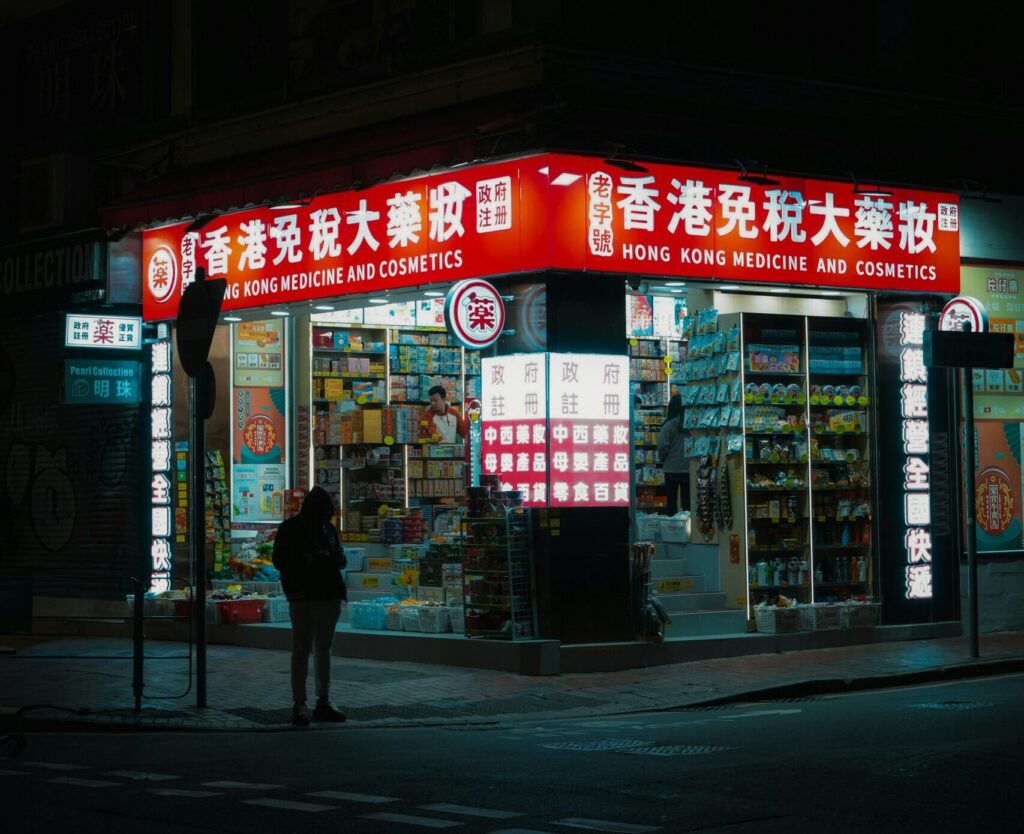
Pharmacies are widely available across Hong Kong, with Mannings and Watsons among the most common chains alongside many independents. Many are open late or 24/7, which makes access convenient. A broad range of medicines, including some antihistamines and antibiotics, can be bought over the counter, although more items are gradually becoming prescription-only. Controlled drugs, such as insulin, always require a prescription from a licensed Hong Kong doctor, as foreign prescriptions are not accepted. If you need specific medication, you must first consult a local doctor. Without a prescription, pharmacists may suggest alternatives to help manage your condition.
Prescriptions can be filled at any pharmacy, and while English is widely spoken in central areas, Cantonese is more common in remote districts. Medication costs are generally affordable. Hong Kong ID holders pay just HK$10 per item through the public healthcare system, but this only applies to prescriptions written and filled within it. Otherwise, you’ll pay retail prices, which vary by brand, source, and pharmacy. Private insurance may cover some prescription costs, but not those from public hospitals due to their low fees.
Pharmacies and medication in Hong Kong
Hospitals in Hong Kong
Public vs private hospitals in Hong Kong
Hong Kong has a wide range of both public and private hospitals. The public hospitals are funded by the government through tax revenues and overseen by the Hospital Authority. They are of a generally high standard and offer a good level of service. Unfortunately, it is not uncommon for them to be overcrowded and see patients waiting a long time to be treated.
In comparison, the private hospitals in Hong Kong deliver a faster service, shorter wait times and optimal patient care. With a specialist one-to-one focus and a more personalised experience, patients can feel comfortable and less anxious about whether their needs will be met. Costs will, of course, be higher than those found in the public hospitals, but with enhanced levels of care, better equipment, and faster access to treatment, this is often the option favoured by expats.
Hospitals in Hong Kong
Quality of hospitals in Hong Kong
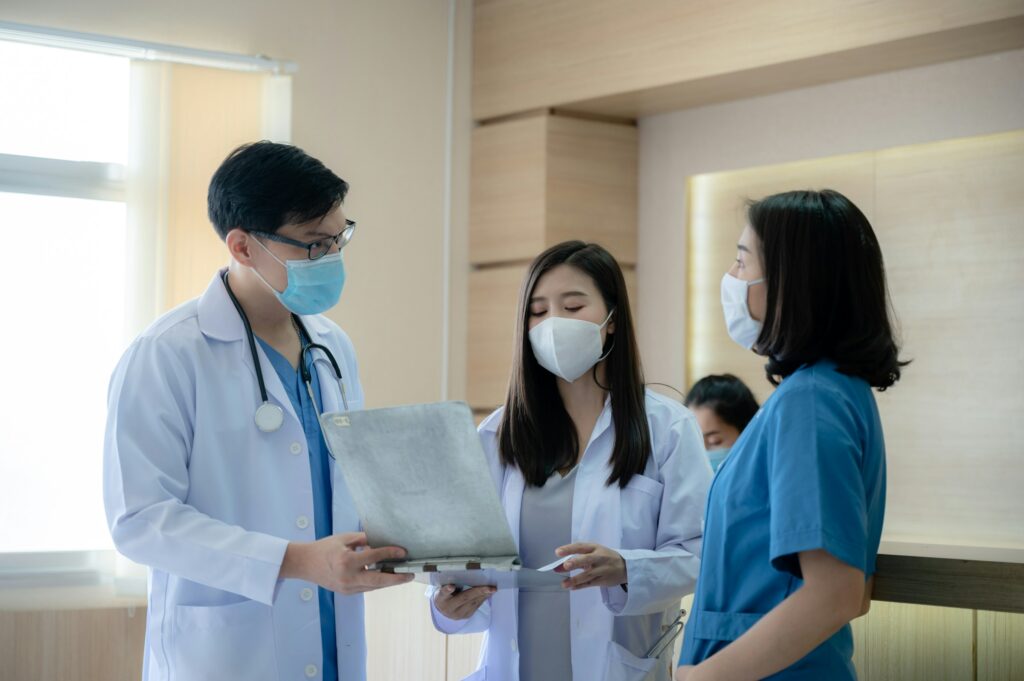
Both public and private hospitals in Hong Kong maintain very high standards of care, helping to ensure that Hong Kong remains among the best places in the world for healthcare.
Infection control, surgical safety and emergency response systems are closely regulated, and the Hospital Authority (HA) conducts frequent audits on public hospitals to ensure they meet stringent standards.
In the private sector, most of the hospitals undergo international accreditation. Many private hospitals are certified by the Joint Commission International (JCI). This means that the hospitals deliver high standards of care, embrace advanced medical technology and are home to well-trained medical professionals.
English is widely spoken throughout Dubai’s healthcare system, especially in private hospitals. Most medical staff, including doctors, nurses, and administrative personnel, are fluent in English, which makes navigating the system easier for non-Arabic speakers. Some hospitals also offer interpreter services for other languages, particularly in facilities that cater to international patients.
Language support in Hong Kong Hospitals
English is widely spoken in Hong Kong but there is no guarantee of finding an English-speaking doctor or clinician in a public hospital or doctors’ surgery. This becomes more noticeable once you reach the more remote areas of Hong Kong. That being said, a large number of medical professionals in the public healthcare facilities do speak English.
Should you use private healthcare facilities, it’s much easier to find multi-lingual medical staff as a larger number of those working within them can speak both English and Cantonese.
Top hospitals in Hong Kong
Hong Kong has a wide range of hospitals in both the private and public healthcare sectors.
Leading public hospitals include:
- Queen Mary Hospital (Pok Fu Lam)
- Queen Elizabeth Hospital (Yau Ma Tei)
- Pamela Younde Nethersole Eastern Hospital (Chai Wan)
Leading private hospitals include:
- Hong Kong Adventist Hospital
- Canossa Hospital
- Gleneagles Hospital
- Matilda International Hospital
Services offered in Hong Kong Hospitals
Across both private and public healthcare facilities in Hong Kong, you’ll find a wide range of medical services being offered. These will typically include emergency care, specialist consultations, surgery, maternity services, rehabilitation, lab testing and physio.
When visiting a private hospital, you may also be offered extras that aid with your recovery or prevent other health issues from developing.
Admission to hospitals in Hong Kong
In Hong Kong, referrals aren’t always necessary, but in some instances you’ll only be treated if a referral has been made.
A&E allows for walk-ins 24/7; however, each patient is triaged, meaning those in most urgent need are treated first. This can lead to extremely long wait times in some cases. At Specialist Outpatient Clinics (SOPCs), walk-ins aren’t accepted, and you’d have to be referred by a private GP or a General Outpatient Clinic (GOPC).
Private facilities will normally accept walk-ins, but depending on what is required, it may be advisable to make an appointment in advance where possible.
Costs of care in Hong Kong hospitals
The costs of care in Hong Kong hospitals can vary significantly. An overnight stay in a private hospital in Hong Kong can see a bill of HK$10,000 per night. Compare this to a public hospital, where the same stay can cost HK$120, and you can see a significant difference. Much will depend on the level of treatment required, what insurance you have and whether you require a specific type of room for your recovery.
Where public facilities do offer a significant saving, the vast difference in levels of care, personal space, and speed of treatment in the private sector shouldn’t be ignored.
Facilities and comfort
Both private and public hospitals offer decent facilities and levels of comfort, but the private hospitals in Hong Kong deliver premium patient care both pre- and post-treatment. In most cases, private or semi-private rooms are available, with many hospitals also offering VIP suites.
These rooms will typically include en-suite bathrooms, TV, Wi-Fi connectivity, room service and often, guest seating or sleeping areas.
The public hospitals in Hong Kong are considerably more basic but still offer a good level of care and comfort.
Insurance acceptance
Most private hospitals in Hong Kong will accept both local and international health insurance. However, much depends on the type of coverage you have, whether the hospital is part of the insurer’s network and who your provider is.
In some cases, the hospital will bill the insurer directly. Others will ask you for payment with a claim being made afterwards. Your policy will explain how it works, but you should also speak with the hospital in advance.
If you are visiting a public hospital and need to pay for treatment, payment is normally paid in advance unless you hold a Hong Kong ID.
Medical emergency services in Hong Kong
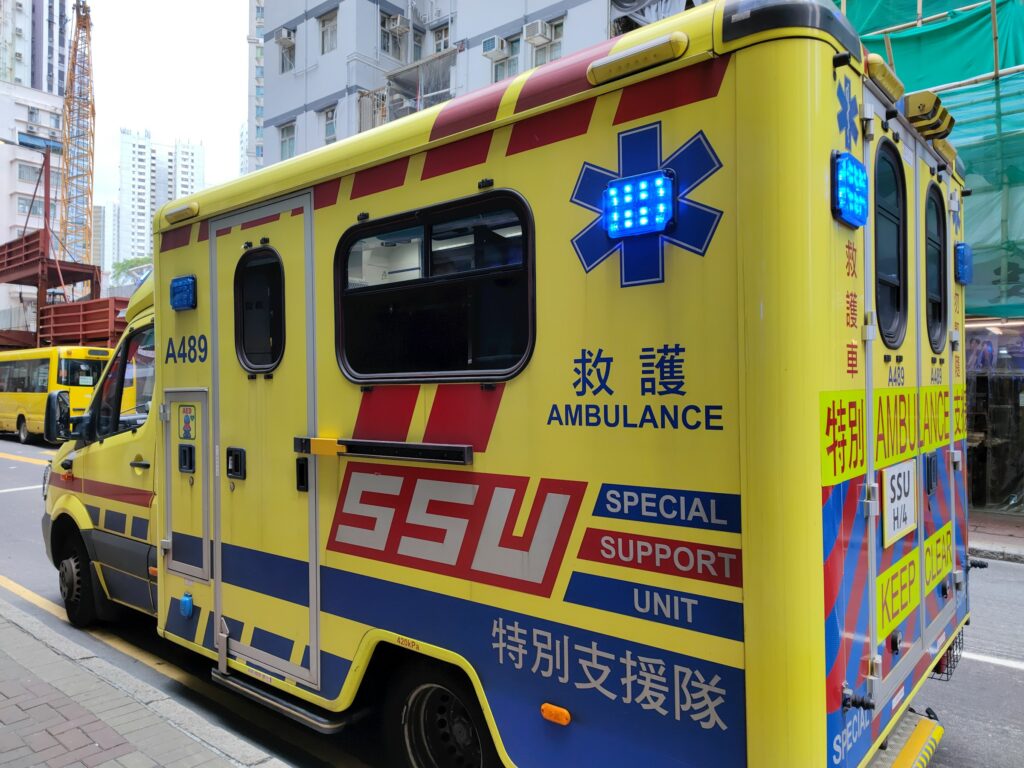
If you encounter a medical emergency in Hong Kong, you should call 999. This number enables you to request assistance from ambulances, police, or fire services. It is available 24/7 with call handlers speaking English, Cantonese, and Mandarin.
The response time for the ambulance service is typically quick, with 10-15 minutes being the average in urban areas. The ambulance takes you to the nearest public hospital that has an A&E department. This is not a free service; those with a Hong Kong ID will pay HK$100 per trip, and those without will pay HK$1,200 or more.
Private hospitals in Hong Kong do not offer their own ambulance services, but they do have access to third-party ambulance services. This is a chargeable service and could cost more than HK$6,000 depending on where the ambulance has to travel, what equipment may be required and whether specialist medical professionals are required.
Medical emergency services in Hong Kong
Vaccinations in Hong Kong
Before moving to Hong Kong, check that your vaccinations are up to date. Routine vaccinations that are expected for those in Hong Kong include Hepatitis A & B, MMR, tetanus, diphtheria, pertussis, and influenza.
With your time in Hong Kong likely to be long-term, you should also consider vaccinations for Japanese encephalitis if you spend time in rural areas, rabies if you will be working with animals and typhoid if you plan to stay in Asia for extended periods and be exposed to areas with poor sanitation.
Despite COVID-19 being largely forgotten about in the media, it is still prevalent, and an up-to-date COVID-19 vaccination is recommended.
Common health risks in Hong Kong
Hong Kong presents low risks to health for expats, but there are some things you should remain aware of.
Air pollution in Hong Kong is considerable, especially in urban areas and can lead to respiratory issues among people of all ages.
Hong Kong is also incredibly warm, especially in the summer months. This can lead to rapid dehydration and, in some cases, heatstroke.
Perhaps one of the biggest concerns, but luckily one of the rarer occurrences, is Dengue fever. This is a mosquito-borne illness and currently there is no vaccine. As a result, you have to do your best to prevent potential exposure. This means using insect repellent, wearing appropriate clothing, and sleeping with mosquito nets in place.
Water in Hong Kong is generally safe to drink from the taps, and it complies with the WHO guidelines for drinking water quality. However, many expats prefer to filter or boil it in advance for added peace of mind.
Food safety is generally good in Hong Kong but with a high quantity of street traders and markets, you should exercise caution to avoid foodborne illnesses. Seafood is popular in Hong Kong, and much of it is eaten raw. Should you wish to consume delicacies like this, it’s advisable that you only purchase them from trusted sources. That way, you avoid shellfish toxins and Vibrio bacteria, which could make you sick.
Tips for staying healthy in Hong Kong
Expats living in Hong Kong should follow the tips below to help keep themselves healthy:
- Stay hydrated to avoid falling victim to heatstroke.
- Wear sun protection. From suncream to hats, in the hottest parts of the year, these items are essential.
- Be wary of street traders. Many will sell perfectly safe food but with no knowledge of how the items are stored or prepared, you could find yourself falling ill.
- Protect yourself from air pollution. Air quality in Hong Kong can reach dangerous levels. Consider wearing a mask on high-pollution days. Also, add an air purifier to your home, especially if you live in an old building.
- Be wary of hand hygiene. Simply applying hand sanitiser or regularly washing your hands will combat the spread of unwelcome bacteria.
- Use insect repellent. Even though dengue fever is rare, small outbreaks do occur. This repellent will help stave it off and keep you safe.
Tips for staying healthy in Hong Kong
Useful resources
- Emergency services: 999
- Hospital Authority (HA): www.ha.org.hk
- Centre for Health Protection (CHP): www.chp.gov.hk
- Department of Health: www.dh.gov.hk
- Voluntary Health Insurance Scheme (VHIS): www.vhis.gov.uk