Health Insurance Egypt
Our expat guide to the healthcare system and health insurance in Egypt
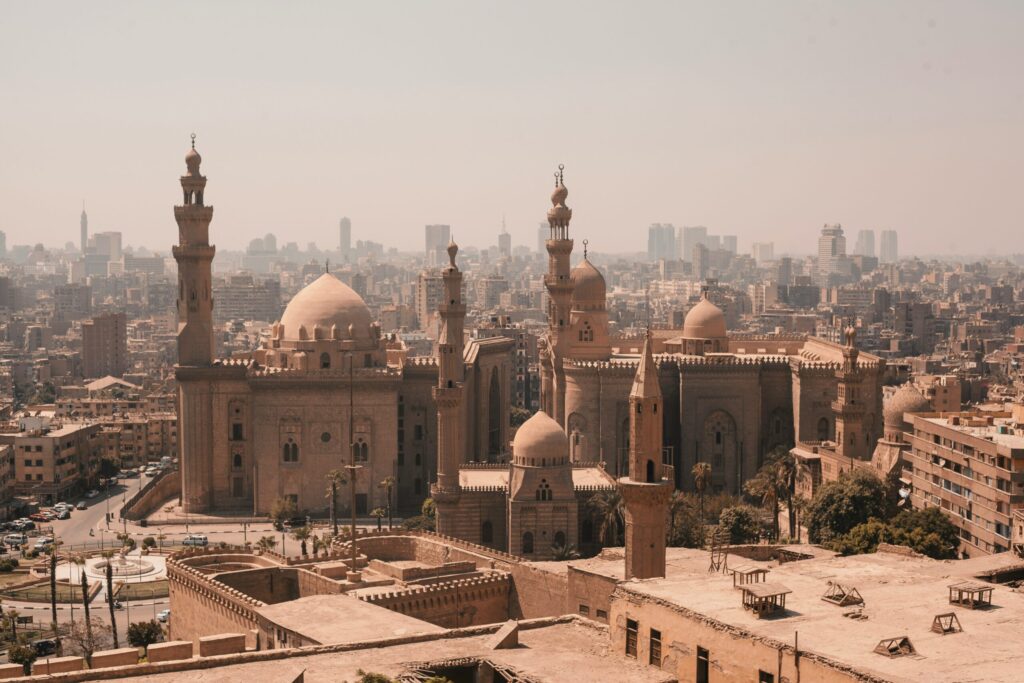
Healthcare in Egypt offers a mix of public and private services, with quality varying depending on location and facility. Major cities such as Cairo and Alexandria generally provide higher standards of care, whilst rural areas can have more limited resources. Private healthcare is widely available, often delivering modern treatments at a fraction of the cost found in Europe or North America. English is commonly spoken in private hospitals, making communication easier for expats, although knowledge of Arabic can still be useful, especially in the public system.
Understanding the available healthcare options is essential for expats moving to Egypt to ensure timely, effective treatment and to make informed decisions about insurance coverage, routine care, and emergency services.
Public healthcare in Egypt
Public healthcare in Egypt is primarily available to citizens and permanent residents, but some expats with long-term residency or work permits might also have access, depending on their visa type.
The quality of public healthcare in Egypt can vary. The major hospitals in Cairo and Alexandria are relatively well-equipped and staffed by trained doctors, but facilities in smaller towns can be more basic. Non-urgent appointments can involve long wait times, and access to certain treatments can sometimes be limited.
Public services are heavily subsidised, which can make care very affordable for those eligible. Most services are free or require only a small co-payment, although some specialised treatments might involve additional costs.
To use public healthcare, eligible residents will usually need to register with local health authorities or provide documentation through their employer. Language can be a barrier, as English is less commonly spoken outside private facilities. Plus, overcrowding in hospitals can be a problem in the public system. For these reasons, many expats opt to combine public healthcare access with international health insurance to ensure quicker and more comprehensive coverage.
Does Egypt have free healthcare?
Egypt does not offer entirely free healthcare, but public services are heavily subsidised for eligible residents. Citizens and permanent residents, and some expats with long-term work or residency permits, can access a range of essential medical services at little or no direct cost. This typically includes visits to public clinics, hospital treatment, emergency care, and basic preventive services.
Despite this, patients might still need to pay small fees for certain specialist consultations, elective procedures, or advanced treatments. Expats and short-term visitors who do not qualify for public healthcare will be responsible for covering all medical costs themselves, which means that private or international health insurance could be an important consideration for comprehensive coverage.
Private healthcare in Egypt
Private healthcare in Egypt provides significant advantages, particularly for expats who prefer faster access to treatment and a higher standard of comfort. Waiting times for consultations and procedures are generally shorter in the private system, facilities are modern, and English-speaking staff are more common, especially in major cities.
The costs for private healthcare can vary widely depending on the clinic, hospital, and type of treatment. Routine specialist consultations are typically affordable by Western standards, but elective procedures, surgeries, or extended hospital stays can be considerably more expensive than public care. Many expats choose to take out private or international health insurance to help manage these costs.
Popular private hospitals and clinics include Cleopatra Hospital, As-Salam International Hospital, and Dar Al Fouad Hospital, all of which offer advanced medical services and support for international patients.
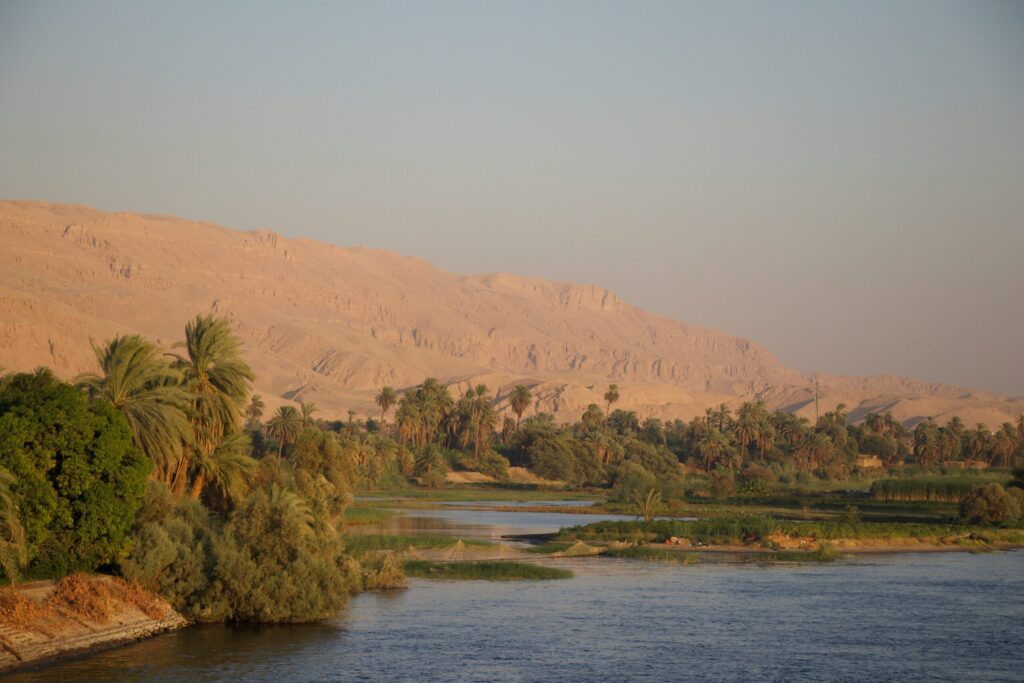
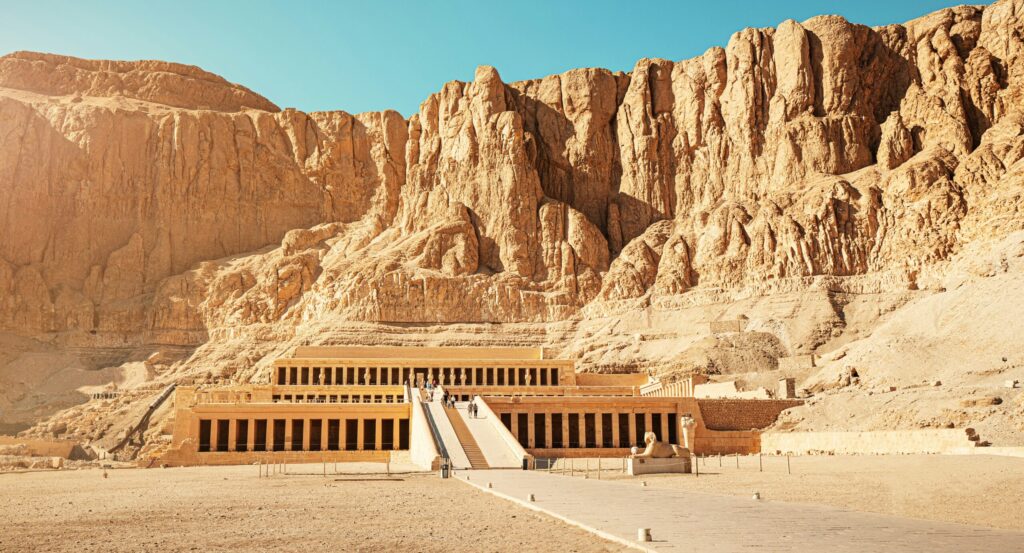

Health insurance for expats in Egypt
Health insurance is not legally required for expats in Egypt, but many do opt for private insurance to ensure access to faster treatment, modern facilities, and English-speaking medical staff.
Expats can choose between local Egyptian health insurance plans and international plans. Local plans typically cover routine consultations, hospital care, specialist visits, and some diagnostic tests, while international plans offer broader benefits such as emergency evacuation, repatriation, and treatment in other countries.
Coverage usually includes doctor visits, hospital treatment, and essential diagnostics, although exclusions often apply to elective cosmetic procedures, certain pre-existing conditions, and experimental treatments. The costs will vary depending on age, health, and coverage level; local plans generally more affordable and international plans offer wider protection at higher premiums. Policies can be purchased directly from insurers or via brokers specialising in expat health insurance.
Pharmacies and medication in Egypt

Pharmacies in Egypt are widely available, especially in cities and larger towns, and many operate extended hours. Over-the-counter medications for common issues such as pain relief, colds, and allergies are easy to obtain, but prescription medicines will require a doctor’s prescription from either a public or private healthcare provider.
To fill a prescription, patients present it at the pharmacy, where the pharmacist dispenses the medication and provides instructions on dosage and usage. In major urban centres, pharmacists often speak English, which can make the process easier for expats. Some medications that are over the counter in other countries might require a prescription in Egypt, so it is important to check in advance.
Costs will vary depending on whether the medicine is covered by insurance or paid out of pocket. Generic versions are typically cheaper, while branded medications can be more expensive. Expats should check whether their health insurance reimburses prescription costs and carry the relevant paperwork to ensure continuous access to essential treatments.
Hospitals in Egypt

Public vs private hospitals
Egypt’s hospital system includes both public and private facilities. Public hospitals are generally large and provide essential medical services at low or subsidised costs. Private hospitals offer quicker access to treatment, modern facilities, and higher comfort standards. Major cities such as Cairo, Alexandria, and Giza host most of the country’s leading hospitals, many of which are affiliated with universities or medical research centres.
Quality of hospitals in Egypt
The quality can vary between public and private facilities. Public hospitals in urban areas are reasonably well-equipped, but rural hospitals can have limited resources. Private hospitals generally maintain higher standards of care, with modern equipment and experienced staff.
English-speaking staff in Egypt hospitals
English-speaking staff are widely available in private hospitals and larger public hospitals in cities, although knowledge of Arabic can still be helpful. Interpreters can often be arranged in some facilities if required.
Top hospitals in major cities
Notable private hospitals in Egypt include Cleopatra Hospital, As-Salam International Hospital, and Dar Al Fouad. Major public hospitals, often university-affiliated, include Cairo University Hospitals and Alexandria Main University Hospital.
Services offered in hospitals in Egypt
Hospitals across Egypt provide a broad range of services, including emergency care, specialist treatment, maternity care, surgery, intensive care, and diagnostic imaging.
Hospital admission process
Public hospitals often require a referral from a doctor for specialist treatment, although emergency departments accept walk-ins. Private hospitals generally allow direct appointments with specialists.
Costs of healthcare in Egypt hospitals
Public hospitals are heavily subsidised, which keeps costs low for eligible residents. Private hospitals are more expensive, with outpatient specialist consultations and procedures typically costing significantly more. Fees will vary depending on treatment type and facility.
Facilities and comfort
Private hospitals in Egypt generally provide private rooms and modern amenities, while public hospitals provide standard shared wards with adequate medical care but fewer comforts.
Healthcare insurance acceptance
Most private hospitals accept local or international health insurance, but will sometimes require upfront payment with later reimbursement. Public hospitals usually require proof of eligibility for subsidised care or payment at the point of service for non-residents.
Egypt emergency services

In Egypt, the national number for medical emergencies is 123, which connects callers to ambulance services. Ambulances are generally equipped for basic life-saving interventions, and staff are trained to respond to a range of urgent medical situations. Response times are typically faster in major cities like Cairo and Alexandria but can be longer in rural or remote areas.
The emergency departments in larger hospitals typically provide a good standard of care, with skilled teams who are able to manage serious injuries and critical conditions. English is more commonly spoken in private hospitals and urban centres, which can help expats communicate effectively during emergencies.
You should keep identification and relevant medical information, such as existing conditions or allergies, readily available. Knowing the location of the nearest hospital and ensuring access to a reliable phone can also make a significant difference in urgent situations.
Vaccinations in Egypt
There are no mandatory vaccinations for entry into Egypt for most travellers, but certain immunisations are recommended depending on your health, planned activities, and areas you intend to visit. It is generally advised that travellers are up to date with routine vaccinations such as measles, mumps, rubella (MMR), diphtheria, tetanus, pertussis (DTP), polio, and influenza.
Hepatitis A and B vaccines are also commonly recommended, particularly for those staying long-term, eating local food, or working outdoors or in healthcare settings. The rabies vaccination might also be suggested for travellers who plan to spend time in rural areas with potential exposure to animals.
It’s important to ensure that your routine adult vaccinations, including tetanus boosters and seasonal flu shots, are current and up-to-date. You can consult with a healthcare provider or travel clinic before you depart to access personalised advice based on your medical history and stay.
Common health risks in Egypt
Egypt is generally a safe destination for most travellers and expats, but there are some local health risks to be aware of. Foodborne illnesses, including gastroenteritis and salmonella, can occur, particularly from undercooked or street food. Seasonal flu and respiratory infections are also common, especially in winter months. Heat-related illnesses, such as dehydration or heatstroke, can be a concern during the hot summer, especially if you’re not used to high temperatures.
Preventive measures include practising good hand hygiene, drinking bottled or properly filtered water, and ensuring food is thoroughly cooked. Wearing light, breathable clothing, staying hydrated, and using sun protection can help reduce heat-related risks. You should familiarise yourself with local healthcare options and carry essential medications to best manage minor illnesses or chronic conditions.
Tips for staying healthy in Egypt

Here are some tips to help expats stay healthy while living in Egypt:
- Protect against sun exposure by using sunscreen, wearing hats, sunglasses, and light, breathable clothing, particularly during the hot summers, to reduce the risk of sunburn and heat-related illnesses.
- Stay up to date with routine vaccinations and any recommended vaccines such as hepatitis A and B, especially for longer stays or travel to rural areas.
- Be cautious with food and water by practising good hygiene and food safety, as foodborne illnesses like gastroenteritis and salmonella can occur, particularly from street food or undercooked dishes.
- Prevent insect-borne illnesses by using repellent and taking precautions against mosquitoes, which can carry diseases such as West Nile virus in some areas.
- Keep a basic first aid kit and essential medications handy, particularly if you are living or travelling outside major cities where medical facilities may be limited.
- Familiarise yourself with local healthcare facilities and emergency numbers (123 for medical emergencies) to ensure prompt access to care.
- Maintain mental and physical wellbeing by staying active, drinking plenty of water in hot conditions, and seeking support if adjusting to a new lifestyle or climate becomes challenging.
Useful resources
- Emergency number for medical and ambulance: 123
- Emergency number for police: 122
- Emergency number for fire: 180
- Non-emergency number for medical, fire, and police (mobile only): 112
- Egypt Ministry of Health and Population: https://www.mohp.gov.eg/
- Egypt expat forums for community advice:
Disclaimer
For informational purposes only
The content in this guide is for general informational and educational purposes only. It does not constitute legal, financial, tax, or medical advice.
Accuracy and currency
Regulations and laws change frequently. While we strive for accuracy, we make no guarantees that this information is complete, accurate, or up to date.
No reliance & professional advice
Do not rely on this guide as a substitute for professional advice. Always verify requirements directly with official government sources or qualified advisors before making decisions.
Limitation of liability
To the maximum extent permitted by law, Expatriate Group accepts no liability for any loss, damage, or errors arising from reliance on this information.