Health Insurance China
Our expat guide to the healthcare system and health insurance in China
China’s healthcare system has undergone significant modernisation in recent decades, seeing improvements across infrastructure, technology, and access. Major cities such as Beijing, Shanghai, and Guangzhou offer high standards of medical care, with hospitals equipped to handle a wide range of conditions. However, quality and availability can vary widely between urban centres and rural areas.
There are a few important considerations for expats. Whilst public healthcare is affordable, it can present challenges such as long waiting times, limited English-speaking staff, and differences in treatment. In contrast, the international hospitals and private clinics, which are mainly found in larger cities, tend to offer more familiar standards of care, with English-speaking staff and shorter waiting times, but at a much higher cost.
It’s essential to understand your healthcare options as an expat living in China. From securing adequate insurance to choosing between public and private providers, being well-informed can make a significant difference in the quality and accessibility of care you receive.

Public healthcare in China
China’s public healthcare system is primarily designed for citizens and permanent residents, but expats with certain work or residence permits may also be eligible to access it, particularly if they’re employed and contributing to the national social insurance scheme. However, eligibility and benefits can vary by city and region.
The quality of care in public hospitals can be high, especially in the major urban centres where facilities are modern and staffed by well-trained medical professionals. That said, many public hospitals face issues such as overcrowding, long wait times, and a lack of privacy. Rural areas tend to have more limited resources and lower standards of care.
Public healthcare is heavily subsidised by the government. Patients usually pay a small fee or copayment for treatment, with the remainder covered by insurance. The costs are typically relatively low compared to Western standards.
To access public healthcare, expats will often need to register with a local hospital and present their passport, residence permit, and proof of insurance or employment. However, procedures can differ between provinces and cities, so it’s best to check the specific requirements in your local area.
Despite its affordability, the public system has some notable limitations for expats. Language barriers are a major concern; most staff speak only Mandarin, and medical translations aren’t always available. Overcrowding and brief consultations can also affect the quality of care. In addition, public insurance may not cover all treatments or medications, especially those considered non-essential or foreign-brand drugs. For these reasons, many expats prefer to use private or international health insurance.
Does China have free healthcare?
China does not offer completely free healthcare, but it does provide heavily subsidised medical services through its public healthcare system. Citizens and eligible residents, including some expats who contribute to the national social insurance scheme, pay into a government-run insurance programme that covers a significant portion of medical costs.
Patients are typically responsible for a copayment, which will vary depending on the treatment, hospital tier, and location. Basic consultations and treatments at public hospitals are relatively affordable, but out-of-pocket expenses can still add up, especially for more advanced procedures or foreign-brand medications.
The system does help to make healthcare more accessible for the majority of the population in China, but it’s not free at the point of use in the way some Western countries offer. Expats should be aware that their access to subsidised care will depend on visa status and employment.
Does China have free healthcare?

Private healthcare in China
Private healthcare in China generally offers a more comfortable and streamlined experience compared to the public system, which has made it a popular choice for many expats. Key advantages of the private healthcare system include shorter wait times, modern facilities, and a higher standard of patient care. Many private hospitals and clinics cater specifically to international patients, with English-speaking doctors and support staff, as well as more patient-focused service.
The main drawback is the cost. Private healthcare in China is significantly more expensive than public care, and fees are often comparable to those in Western countries. A basic consultation can range from ¥600 to over ¥1,500, whilst specialist care, diagnostic tests, and hospital stays can quickly increase costs.
Some of the most well-regarded clinics and private hospitals in China include United Family Healthcare and Raffles Medical Group. These providers operate in major cities such as Beijing, Shanghai, Guangzhou, and Shenzhen, and are known for their high-quality care and international standards.
Whilst private healthcare is accessible without insurance, it’s strongly recommended to have comprehensive private health insurance to avoid high out-of-pocket expenses. Some international insurance plans offer direct billing arrangements with private hospitals in China, which can simplify the process and ensure you can access the care you need quickly and easily.



Health insurance for expats in China
Health insurance is generally required for expats who live and work in China. Those who are employed by Chinese companies are usually enrolled in the national social insurance scheme, which grants access to public healthcare at subsidised rates. However, the coverage can be limited, and reimbursement processes may be complex, particularly for non-Mandarin speakers, so many expats opt for additional private health insurance.
There are two main types of insurance to consider: local and international plans. Local Chinese insurance tends to be more affordable and can be sufficient for basic care within China. However, these plans often have limited coverage, language barriers, and fewer direct billing arrangements with international clinics. In contrast, international health insurance is more comprehensive, often covering both public and private care, access to English-speaking facilities, and treatment outside China if needed.
Typical health insurance coverage includes outpatient and inpatient care, emergency treatment, diagnostics, and sometimes dental or maternity care. Exclusions often include pre-existing conditions, chronic illnesses, mental health treatment, and elective procedures unless specified in the policy.
The costs can vary depending on your age, coverage level, and provider. For a basic international plan, annual premiums can range from £1,000–£2,500, whilst more comprehensive packages can exceed £4,000 per year. Insurance can be purchased through global providers, local brokers, or specialist expat insurance platforms. It’s important to compare plans carefully and confirm whether direct billing is available with your preferred hospitals or clinics in China.
Pharmacies and medication in China
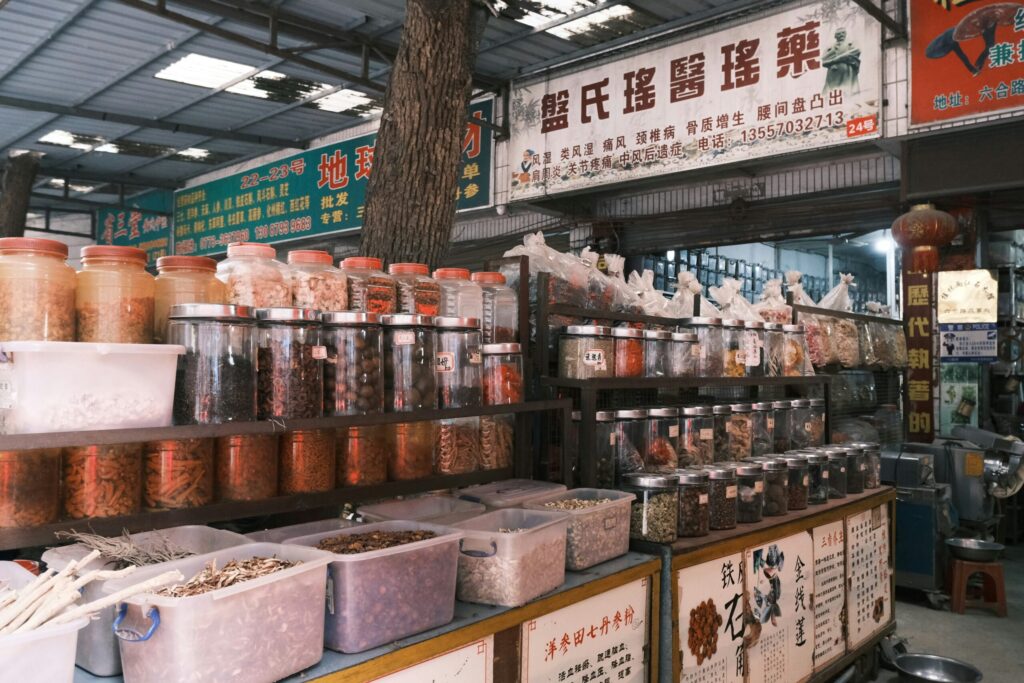
Pharmacies are widely available across China, especially in urban areas, and many operate long hours or 24/7. There is usually a broad range of medications on offer, including both Western pharmaceuticals and traditional Chinese medicine. Some medications that require a prescription in other countries might be available over the counter in China, although this can vary by region and pharmacy. For prescribed medications, a doctor’s note is typically required, particularly at hospital-affiliated pharmacies.
The cost of medication in China is generally lower than in many Western countries, especially if it’s produced locally. International brands will tend to be more expensive and might not always be in stock. If you’re using public healthcare, some prescriptions might be subsidised, which can reduce your out-of-pocket costs. However, if you’re using private clinics or international hospitals, you should expect to pay the full retail price unless you’re covered by insurance. Expats with specific medication needs should check availability in advance and consider bringing an initial supply when relocating.
Pharmacies and medication in China
Hospitals in China
Public vs private hospitals
China’s hospital system is broadly divided into public and private institutions. There are many public hospitals, and they form the backbone of the Chinese healthcare system, offering affordable care through government subsidies. Private hospitals, on the other hand, often cater to those seeking quicker services, higher levels of comfort, and more personalised care. In major cities, expats can also access international hospitals – privately run facilities that meet global standards and serve foreign nationals and wealthier locals.
Quality of hospitals in China
Hospital quality varies, but many facilities in the large cities offer modern equipment and advanced medical services. Some hospitals are accredited by the Joint Commission International (JCI), a mark of quality that is recognised worldwide. The inernational hospitals in particular are highly regarded by expats for their service quality, efficiency, and ease of communication.
Hospitals in China
English-speaking staff in Chinese hospitals
English-speaking doctors and interpreters are available at most international hospitals and some high-end private clinics. In public hospitals, however, English proficiency is limited, and communication can be a significant challenge without a translator or Mandarin-speaking friend to accompany you.
Top hospitals in major cities
Beijing, Shanghai, and Guangzhou have some of China’s best hospitals, including internationally recognised institutions such as Beijing United Family Hospital and Shanghai East International Medical Center. These cities also tend to have more English-speaking staff and specialist departments, which often makes them better equipped for expat healthcare needs.
Services offered in hospitals in China
Both public and private hospitals typically offer emergency care, general outpatient services, surgery, maternity care, diagnostics, and various medical specialities. International hospitals often go further, offering wellness programmes, mental health services, and paediatric care in a more patient-friendly environment.
Hospital admission process
In many public hospitals, patients can walk in and register for treatment, although it’s common to face long queues. A referral is usually not required unless you’re seeking care at a specialist department. In private or international hospitals, appointments are often encouraged and waiting times are considerably shorter.
Costs of healthcare in Chinese hospitals
Outpatient consultations at public hospitals can cost as little as ¥50–¥200, whilst the same service at an international clinic can exceed ¥1,000. Costs for inpatient care can range widely, with stays in private or international hospitals potentially costing thousands of pounds per night, especially for surgery or complex procedures. Insurance can significantly reduce these costs.
Facilities and comfort
Public hospitals generally offer basic facilities, with shared wards and minimal privacy. In contrast, private and international hospitals provide a much higher level of comfort, including private or VIP rooms with en-suite bathrooms, better catering, and more attentive care.
Healthcare insurance acceptance
Many international hospitals accept direct billing from global insurance providers, which allows for cashless treatment. Public hospitals usually require payment upfront, even if you’re covered under China’s social insurance. Expats should confirm with their insurer which hospitals are in-network and whether pre-authorisation is required.
China emergency services
In a medical emergency in China, the national emergency number for an ambulance is 120. The dispatcher might not speak English, so it can be useful to have a Mandarin speaker to assist you or to use translation apps if needed. The emergency services in major cities are generally well-organised, but response times can vary depending on location, traffic, and the availability of ambulances. Delays are more common in less developed or rural areas, and the facilities can be basic.
It will be beneficial to know the location of your nearest international hospital and, if possible, arrange direct transport there, as public ambulances will often take patients to the nearest public hospital by default. You can keep a list of emergency contacts, relevant medical information, and a translated note explaining key conditions or allergies to help in an emergency. Some international hospitals offer their own emergency hotlines and ambulance services, which can provide quicker and more familiar care in urgent situations.
China emergency services
Vaccinations in China
There are currently no mandatory vaccinations for entry into China for most travellers, unless you’re arriving from a country with a risk of yellow fever transmission, in which case proof of vaccination may be required. You should also ensure they are up to date with routine vaccinations such as measles, mumps, rubella (MMR), diphtheria, tetanus, and polio. Some other vaccinations may be recommended depending on the region you’ll be living in and your lifestyle, such as Hepatitis A and B, typhoid, rabies (particularly if you’ll be in rural areas or working with animals), and Japanese encephalitis, which is more common in rural and southern parts of the country.
It’s best to consult a travel health clinic 6–8 weeks before you depart to discuss your specific needs and get the most up-to-date advice. If you’ll be living in China long-term, especially with children, you should research and understand the Chinese vaccination schedule, which differs slightly from Western countries and is primarily administered through the public health system.
Common health risks in China
Foodborne illnesses such as traveller’s diarrhoea, hepatitis A, and parasitic infections can be an issue in China, especially if you consume food from street vendors or in areas with lower hygiene standards. In warmer months, some parts of southern China experience outbreaks of mosquito-borne diseases such as dengue fever and Japanese encephalitis. Air pollution is a significant concern in many urban centres, brining a risk of potential long-term impacts on respiratory health.
To reduce the risk of illness, basic precautions are recommended. This includes drinking bottled or filtered water, avoiding undercooked or unwashed food, and practicing good hand hygiene. In areas with high mosquito activity, you should use insect repellent, wear long sleeves, and sleep under nets if needed. For those in cities with poor air quality, wearing a certified pollution mask and using air purifiers indoors can help to protect your lungs.
Tips for staying healthy in China
Here are some tips to help expats stay healthy while living in China:
- Stay hydrated and drink only bottled or filtered water, especially in warmer months. Avoid tap water to reduce the risk of waterborne illnesses.
- Protect yourself from air pollution by checking daily air quality indexes and wearing a pollution mask when necessary, particularly in major cities like Beijing and Shanghai.
- Be cautious with street food and raw produce to avoid foodborne illnesses; choose reputable vendors and ensure food is thoroughly cooked.
- Take precautions against mosquito bites in southern and rural areas where diseases like dengue and Japanese encephalitis can occur; use insect repellent and wear long sleeves when outdoors.
- Keep a basic medical kit with personal medications and common over-the-counter treatments, including remedies for digestive issues and cold symptoms.
- Stay up to date with vaccinations, including hepatitis A and B, typhoid, and Japanese encephalitis if you will be in rural or southern regions.
- Register with a local or international clinic soon after you arrive for easier access to healthcare and emergency services when needed.
- Learn key health-related phrases in Mandarin or have a translation app ready to help communicate effectively in medical settings, especially in public hospitals where English may be limited.
Tips for staying healthy in China

Useful resources
- Emergency number for medical assistance: 120
- Emergency number for fire assistance: 119
- Emergency number for police assistance: 110
- National Health Commission of the PRC: https://en.nhc.gov.cn/
- China expat forums for community advice: