Healthcare in Chile is widely regarded as one of the strongest in Latin America, offering both public and private services that cater to a range of needs and budgets. The public system, known as FONASA, provides affordable care for residents and is supported by a network of hospitals and clinics across the country. Private healthcare, through ISAPRE providers, offers faster access to specialist treatment and a higher standard of facilities, though costs can be significantly higher.
Accessibility is generally good in urban centres, with most major cities boasting modern hospitals and well-equipped clinics. Language can be a consideration, as Spanish is the primary language of healthcare providers, making it important for expats to be prepared or seek services that offer English-speaking staff.
It’s important for expats to understand the healthcare options available in Chile. Choosing the right combination of public and private coverage, knowing how insurance works, and familiarising oneself with local medical practices can make all the difference in ensuring both peace of mind and high-quality care while living in Chile.
Public healthcare in Chile
Chile’s public healthcare system is managed through FONASA and is available to Chilean citizens, permanent residents, and expats who hold certain long-term visas, such as work or residency permits. This system is designed to provide broad access to essential medical services.
The quality of care in public facilities varies. Urban hospitals and larger clinics are generally well-equipped and staffed by qualified doctors, although wait times for appointments and procedures can be long, especially for non-urgent cases. Smaller towns and rural areas typically have more limited resources.
The costs are largely subsidised through FONASA contributions, which are typically a percentage of income for employed residents. Many basic services are free or require only a copayment, which makes public healthcare affordable for most people in Chile.
To access public healthcare, eligible individuals must register with FONASA and present their identification and visa documentation. Once registered, patients can schedule appointments at public clinics or hospitals.
There are some limitations to be aware of. Language barriers can pose challenges for non-Spanish speakers, and public facilities may experience overcrowding. Coverage is generally comprehensive for essential services, but certain treatments, elective procedures, or specialist care may have longer waiting times or require additional out-of-pocket costs. As such, some expats opt for international health insurance to ensure wider coverage.
Does Chile have free healthcare?
Chile does not offer completely free healthcare for everyone, but its public system, FONASA, provides highly subsidised care for residents and certain expats. Basic medical services, including consultations, emergency care, and some treatments, are either free or require only a small copayment, depending on income and FONASA category.
Whilst essential healthcare is accessible at low cost, more specialised services, elective procedures, or private care typically involve additional fees. Many expats choose to combine public coverage with private insurance to reduce wait times and access a wider range of services.
Does Chile have free healthcare?

Private healthcare in Chile
Private healthcare in Chile is provided through ISAPREs and a network of private hospitals and clinics. One of the main advantages is there is often significantly shorter wait times compared with the public system, which makes it easier to access specialists, diagnostic tests, and elective procedures promptly. Private facilities often offer higher comfort standards, modern equipment, and a more personalised experience. Many private hospitals and clinics, especially in major cities, also have English-speaking staff, which can be a huge benefit for expats.
The costs will vary depending on the service and the facility. Routine consultations with a specialist typically start around CLP 30,000-50,000 while more complex procedures or surgeries can run into several million CLP. Health insurance through an ISAPRE or a private international provider is highly recommended, as it helps manage these costs and ensures wider coverage.
Popular private hospitals and clinics include Clínica Alemana and Clínica Las Condes in Santiago, both known for high-quality care and modern facilities. Many expats choose private insurance either as a supplement to FONASA or as their primary coverage to guarantee faster access and more flexible care options.

Health insurance for expats in Chile
Health insurance is not always mandatory for all expats in Chile, but many long-term visas, such as work or residency permits, require proof of medical coverage as part of the application process.
Expats can choose between local and international health insurance plans. Local ISAPRE plans provide access to private hospitals and clinics and can offer lower premiums, but coverage can be limited for treatments abroad. International plans tend to be more comprehensive, covering emergency care, repatriation, and treatment in multiple countries, which can be particularly useful for travellers or those frequently moving between countries.
Typical coverage includes consultations with GPs and specialists, hospitalisation, diagnostic tests, maternity care, and emergency treatment. Exclusions often include pre-existing conditions, cosmetic procedures, some elective treatments, and non-approved medications, so it is essential to read the policy carefully.
Costs vary widely depending on the type of plan, age, and level of coverage. Basic local plans may start at around CLP 30,000–50,000 per month, while international plans can range from £100–300 per month for comprehensive coverage. Plans can be purchased directly from insurance providers, through brokers, or online.
Pharmacies and medication in Chile
Pharmacies in Chile, known as farmacias, are widely available in cities and towns across the country. Many common medications, including pain relievers, cold remedies, and some antibiotics, are available over the counter, but prescription-only drugs will require a doctor’s prescription.
To fill a prescription, expats can take the written prescription to a pharmacy, where a pharmacist will dispense the medication. Some clinics and private hospitals also offer in-house pharmacies. Pharmacies in urban areas might have staff who speak English, but knowledge of Spanish will typically be required to communicate in smaller towns.
The costs for medications in Chile can vary significantly. Generic drugs are generally affordable but branded or imported medications can be considerably more expensive. Public health coverage through FONASA may subsidise some prescriptions for eligible residents, but expats relying on private insurance or paying out-of-pocket should budget for these costs. It is advised to carry a sufficient supply of any regular medication when moving to Chile, particularly for less common prescriptions.
Pharmacies and medication in Chile
Hospitals in Chile
Public vs private hospitals
Public hospitals serve the majority of residents and are concentrated in larger cities, while private hospitals cater to those with private insurance or the ability to pay out-of-pocket. Major urban centres such as Santiago, Valparaíso, and Concepción host the country’s largest hospitals, with a growing number meeting international standards.
Hospitals in Chile

Quality of hospitals in Chile
A number of private hospitals in Chile are recognised for high-quality care, modern facilities, and compliance with international standards. Some have JCI accreditation, reflecting adherence to global healthcare benchmarks. Private hospitals generally maintain a strong reputation among expats, particularly for specialised treatments and elective procedures. Public hospitals offer competent care but can experience longer wait times and varying facility standards.
English-speaking staff in Chilian hospitals
English-speaking staff are more commonly found in private hospitals, particularly in Santiago and other major cities. Many facilities also offer interpreter services on request, although expats in smaller towns might find there is limited English support.
Top hospitals in major cities
Santiago hosts the country’s leading private hospitals, including Clínica Alemana and Clínica Las Condes. Valparaíso and Viña del Mar also have well-regarded hospitals, and Concepción and other regional cities provide access to both public and private care, although with fewer English-speaking staff.
Services offered in hospitals in Chile
Hospitals in Chile provide a full range of services, including emergency care, specialised treatments such as cardiology and oncology, maternity care, surgery, and diagnostic imaging. Private hospitals often also offer elective procedures and wellness services.
Hospital admission process
For public hospitals, a referral from a GP is typically required for non-emergency care. Private hospitals generally allow both referrals and direct appointments, with many providing online booking for consultations. Emergency services accept walk-ins without prior appointments.
Costs of healthcare in Chilian hospitals
Outpatient consultations in private hospitals typically range from CLP 30,000–50,000, and inpatient stays, depending on the procedure and room type, can range from CLP 500,000–2,000,000 per day. Public hospital care is largely subsidised for FONASA patients.
Facilities and comfort
Private hospitals offer a range of accommodation, from standard wards to private and VIP rooms with enhanced comfort, meals, and additional services. Public hospitals generally provide more basic wards, with private rooms available for additional fees.
Healthcare insurance acceptance
Most private hospitals accept local ISAPRE insurance directly. Many also recognise international health insurance, although some will require upfront payment with reimbursement. Public hospitals primarily rely on FONASA coverage or out-of-pocket payment for non-residents.
Chile emergency services
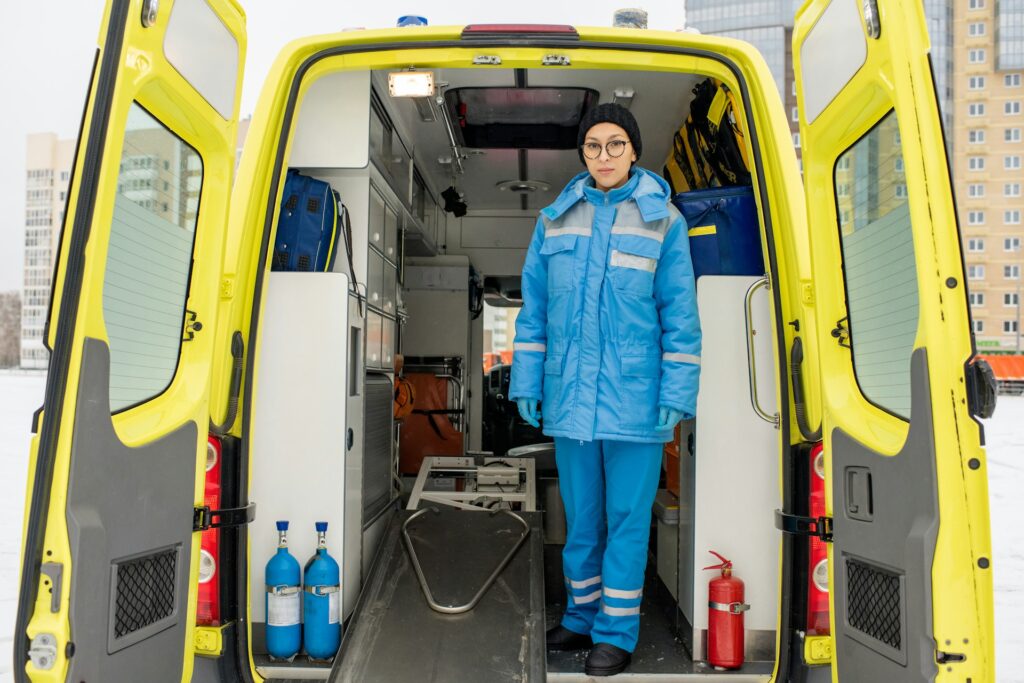
In Chile, the national medical emergency number is 131, which connects callers to ambulance services across the country. Private hospitals also operate their own emergency departments, which can be accessed directly if transport is available.
Emergency care quality is generally high in urban areas, with trained paramedics, modern ambulances, and well-equipped hospital emergency departments. Response times are usually faster in cities, and rural or remote areas can experience delays.
For expats, it is important to carry personal identification, health insurance details, and any relevant medical information when seeking emergency care. Learning basic Spanish medical terms or keeping a translation app handy can be valuable, as not all ambulance staff or public hospital personnel speak English. You should also know the location of the nearest hospital and the coverage provided by your insurance plan to help ensure prompt and effective treatment.
Chile emergency services
Vaccinations in Chile
Chile does not require any mandatory vaccinations for entry for most travellers. The exception is if you are arriving from a country with a risk of yellow fever transmission, in which case a yellow fever vaccination certificate may be required.
However, expats should ensure they are up to date on routine vaccinations, including measles, mumps, rubella (MMR), diphtheria, tetanus, pertussis (DTP), polio, and influenza.
Additional vaccinations, such as hepatitis A and B or typhoid, are recommended depending on the region you plan to visit and your activities, particularly in rural or coastal areas. You should consult with a travel health clinic or your doctor before you depart to ensure you obtain personalised advice based on your medical history, travel plans, and length of stay.
Common health risks in Chile
Chile is generally considered a low-risk country for serious infectious diseases, but expats should be aware of some local health risks. Foodborne illnesses, such as gastroenteritis, can occur, particularly from street food or untreated water. Seasonal flu is common during the winter months, and in northern regions, conditions such as hantavirus and, more rarely, dengue in border areas may pose a risk.
Preventive measures include practising good hygiene, washing fruits and vegetables, drinking bottled or filtered water, and ensuring routine vaccinations are up to date. Using insect repellent and protective clothing in rural or northern areas can help reduce the risk of mosquito-borne illnesses.
Tips for staying healthy in Chile
Here are some tips to help expats stay healthy while living in Chile:
- Drink safe water: Tap water in most urban areas is generally safe, but in rural or remote locations, it’s best to use bottled or filtered water to avoid stomach upsets.
- Be cautious with food: Avoid undercooked meat, unwashed fruits and vegetables, and street food that may not meet hygiene standards. Eating at reputable restaurants reduces the risk of foodborne illnesses.
- Protect against mosquito bites: Northern regions of Chile can experience occasional dengue outbreaks. Use insect repellent and take precautions if travelling to these areas.
- Limit sun exposure: Use sunscreen, wear a hat and sunglasses, and avoid prolonged outdoor activity during peak sun hours, particularly in northern regions like Atacama or the central valleys.
- Exercise safely: Stay hydrated and avoid strenuous activity during the hottest parts of the day, especially in arid or high-altitude areas.
- Keep essential medications and first aid supplies: Have a basic kit and any prescription medications on hand, particularly if living or travelling outside major cities like Santiago, Valparaíso, or Concepción.
- Stay current with vaccinations: Ensure routine vaccinations are up to date, and consider hepatitis A or B if you are at higher risk due to lifestyle or travel plans.
- Register with a healthcare provider: Joining a local clinic or private hospital network helps ensure faster access to care when needed.
- Know emergency contacts: Keep details of nearby hospitals and the ambulance number (131) handy, and familiarise yourself with local emergency procedures.
Tips for staying healthy in Chile
Useful resources
- Emergency number for medical assistance: 131
- Emergency number for fire assistance: 132
- Emergency number for police assistance: 133
- Chile Ministry of Health: https://www.gob.cl/en/ministries/ministry-of-health/
- Chile expat forums for community advice: