Canada is known for its high standard of healthcare, featuring a publicly funded system that offers essential medical services to residents at little or no direct cost. The quality of care is generally excellent, with well-trained professionals, modern facilities, and a strong emphasis on preventative medicine.
However, while the system is accessible to Canadian citizens and permanent residents, it can be more complex for newcomers. Waiting times for certain treatments can be lengthy, and coverage varies between provinces. Language is rarely a barrier in major cities, but services may be limited in more remote areas.
For expats moving to Canada, it’s essential to understand how the healthcare system works, what’s covered, and where private health insurance may be necessary. Navigating your options early can help ensure you’re protected from unexpected medical costs and have access to the care you need from day one.

Public healthcare in Canada
PCanada’s public healthcare system, known as Medicare, provides essential medical services to citizens and permanent residents that are free at the point of use. It’s funded through taxes and is administered at the provincial and territorial level, meaning access and coverage can vary depending on where you live.
Expats may be eligible for public healthcare if they hold certain types of long-term visas, such as work permits or study permits. However, there is often a waiting period, typically up to three months, before coverage begins. During this time, private medical insurance or international health insurance is strongly recommended.
The quality of care in Canada is generally high, featuring well-trained medical staff and modern facilities, especially in urban centres. That said, wait times for non-emergency procedures and specialist appointments can be long, and services are often more limited in rural areas.
To access public healthcare, individuals must register with the provincial health authority and apply for a health card. Proof of residency and immigration status will usually be required as part of the application.
English is widely spoken across the country, but it’s worth noting that French is predominant in Quebec, and language support services can be limited in smaller communities. Other challenges in the Canadian healthcare system can include overcrowded clinics, limited mental health services, and gaps in coverage for things like physiotherapy or private hospital rooms.ublic healthcare in Barbados is funded by the government and available to citizens, permanent residents, and, in many cases, expats who have the right immigration status or work permits. Care is provided through a network of polyclinics, district hospitals, and the Queen Elizabeth Hospital in Bridgetown, which serves as the main referral centre.
The quality of public healthcare in Barbados is generally good, with well-trained medical staff, although facilities might not always have the same range of advanced equipment as larger countries. Public services are either free or heavily subsidised, meaning most treatments incur little or no cost. However, patients should be prepared for longer wait times for non-urgent procedures and routine appointments.
There’s no complex sign-up process to register for public healthcare in Barbados; you’ll typically just need to show your proof of residency or immigration status when you seek treatment. English is the official language of Barbados, so communication is rarely an issue. However, limitations in the public healthcare system can include overcrowding in busy facilities, fewer specialist services than in private care, and potential delays for elective treatments.
Does Canada have free healthcare?
Canada’s healthcare system is often described as “free,” but the reality is more nuanced. Medically necessary services, such as visits to a GP or hospital, diagnostic tests, and emergency care, are provided at no direct cost to eligible residents through the publicly funded Medicare system. These services are paid for through taxes rather than out-of-pocket fees at the point of care.
However, not everything is covered in this system. Prescription medications (outside of hospitals), dental care, eye exams, physiotherapy, and mental health services often require payment or private insurance, depending on the province. Some provinces offer limited coverage for these through supplemental programmes, but many Canadians choose to purchase private health insurance to fill the gaps.
For expats, access to public healthcare will depend on your visa status and local provincial residency rules. Those who qualify can receive the same publicly funded care as citizens, although there is usually a waiting period before coverage starts. Until then, private health insurance is essential to cover any medical needs.
Does Canada have free healthcare?

Private healthcare in Canada
While Canada’s public healthcare system covers most essential services, private healthcare plays an important role in offering faster access and expanded treatment options. Many Canadians and expats turn to private clinics for shorter wait times, greater flexibility in appointment scheduling, and enhanced comfort, particularly for diagnostics, specialist consultations, and elective procedures.
Private facilities often offer a more personalised experience and modern amenities. They can be especially appealing in urban centres, where demand on the public system can lead to long delays.
Costs for healthcare in the private sector can vary widely depending on the service and location. A private GP consultation might cost between CAD $100-$300, while specialist appointments and procedures can range from a few hundred to several thousand dollars. Diagnostic imaging like MRIs can cost upwards of CAD $700 if done privately.
Popular private clinics include Medcan in Toronto, Copeman Healthcare Centres (with locations in Vancouver and Calgary), and ELNA Medical in Montreal. These facilities are known for their comprehensive assessments and concierge-style service.
Private health insurance is highly recommended for expats, especially during any waiting period before public coverage begins. It can help cover private consultations, diagnostic tests, hospital stays, and services not included in the public system, such as dental and vision care.



Health insurance for expats in Canada
Health insurance is not always mandatory for expats in Canada, but can be advised, namely during the initial period before public healthcare eligibility begins. Most provinces impose a waiting period of up to three months, during which expats must rely on private health insurance to cover medical costs.
Expats can choose between local and international health insurance plans. Local plans may offer tailored coverage for Canadian services but can have limited portability. International plans, on the other hand, are ideal for expats who travel frequently or want access to private healthcare both in Canada and abroad.
Typical health insurance policies in Canada will cover GP visits, emergency care, hospital stays, specialist consultations, diagnostic tests, and prescriptions. Many also include extras such as dental, vision, and mental health support. Exclusions often include pre-existing conditions, elective cosmetic procedures, and some high-risk activities.
Costs for health insurance will vary depending on the level of cover, age, and health status. However, a comprehensive international health insurance plan for an individual can range from CAD $1,500 to $5,000 per year. Family plans and more extensive coverage options will cost more.
Policies can be purchased through international providers or brokers before arriving in Canada, or through specialist insurers who cater to expats. It’s important to compare plans and ensure your policy meets both your medical needs and any provincial requirements.
Pharmacies and medication in Canada
Pharmacies are widely available across Canada and offer a range of over-the-counter medications for common ailments such as colds, allergies, and minor pain relief. Prescription medications, however, must be prescribed by a licensed healthcare provider and can only be filled at registered pharmacies. Most pharmacists are knowledgeable and can offer advice on medication use and minor health concerns.
Prescription drugs are not covered under Canada’s public healthcare system for most people, unless they are administered in hospital or included in specific provincial drug plans. This means the cost of medication is often paid out of pocket or covered by private insurance. Prices can vary, so it’s common for expats to rely on health insurance to manage ongoing or high-cost prescriptions.
Pharmacies and medication in Canada

Hospitals in Canada
Public vs private hospitals
Canada’s hospital system is predominantly public, with most facilities funded and managed by provincial health authorities. Private hospitals are rare, but there are private clinics that offer certain outpatient and specialist services. The country has a large network of hospitals, including major teaching and research institutions in every province.
Hospitals in Canada
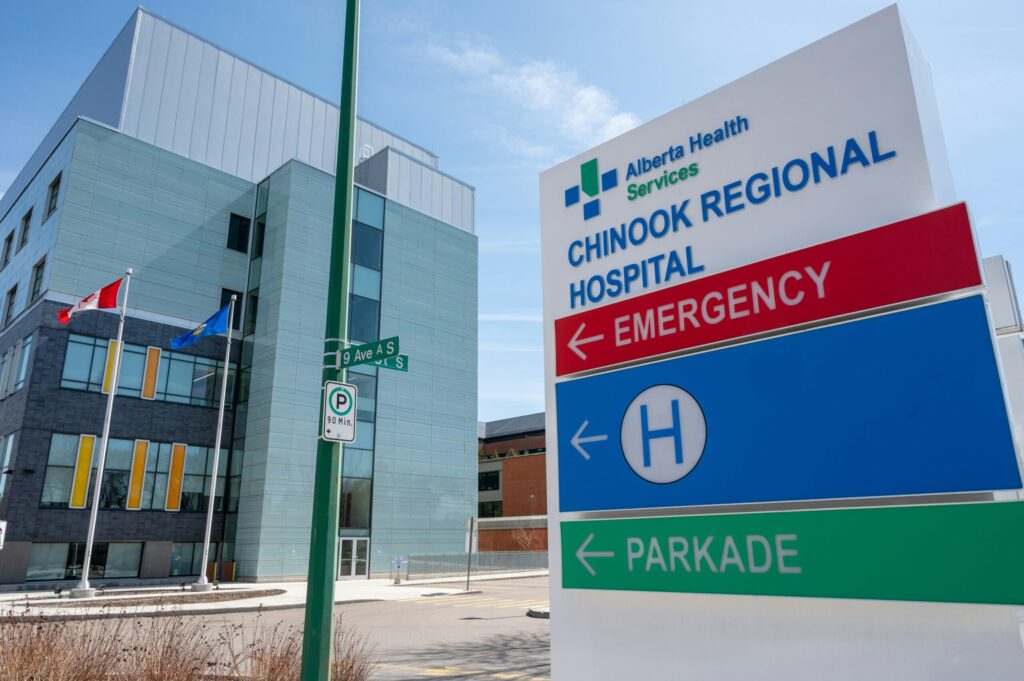
Quality of hospitals in Canada
Hospitals in Canada generally meet high international standards, with modern equipment, well-trained staff, and stringent safety protocols. Some are internationally accredited, and many are affiliated with leading medical schools. The public system is highly regarded among both locals and expats, particularly for emergency and specialist care.
English-speaking staff in the Canadian hospitals
English-speaking staff are the norm across the country. In Quebec, French is the primary language, although many hospitals also offer bilingual services. Interpreter services for other languages are available in some hospitals but may need to be requested in advance.
Top hospitals in major cities
The major cities such as Toronto, Vancouver, Montreal, and Calgary are home to some of Canada’s best hospitals. Notable examples include Toronto General Hospital, Vancouver General Hospital, and the McGill University Health Centre in Montreal. These institutions are known for specialised care and research excellence.
Services offered in hospitals in Canada
Hospitals in Canada typically provide a full range of services, including emergency care, specialist consultations, maternity wards, surgical units, oncology departments, and rehabilitation centres. Emergency departments operate 24/7 and are accessible to anyone, though non-urgent cases can face long wait times.
Hospital admission process
For non-emergency hospital visits, a referral from a GP or specialist is usually required. In emergencies, patients can go directly to the nearest hospital. Walk-in clinics are also available across the country for less urgent issues and don’t require appointments.
Costs of healthcare in the Canadian hospitals
Inpatient and outpatient care in public hospitals is free for those covered by provincial healthcare plans. For those without coverage, inpatient care can cost a few thousand Canadian dollars per day, depending on the treatment required. Outpatient consultations typically range from CAD $100-$500 if paid privately.
Facilities and comfort
Facilities can vary by hospital, but most offer clean, well-maintained environments. Private or semi-private rooms are available in many hospitals, but they often come at an extra cost unless covered by insurance. Some hospitals offer enhanced options, but standard wards are more common.
Healthcare insurance acceptance
Public hospitals generally do not bill international insurance providers directly, so expats without provincial coverage will be expected to pay upfront and claim reimbursement later. Some private clinics might accept international health insurance, but it’s best to confirm in advance and ensure your policy covers Canadian medical costs.
Emergency services in Canada
In Canada, the emergency number for medical assistance is 911, which will connect you to ambulance, police, or fire services. This number is free to call from any phone and should only be used in genuine emergencies. Ambulance services are available nationwide, although response times can vary depending on location and demand. Urban areas typically see quicker response times, whilst remote or rural regions can face delays.
Emergency care in Canada is of a high standard, with skilled paramedics and well-equipped emergency departments. However, public hospital emergency rooms often prioritise patients based on the severity of their condition, which can lead to long waits for non-life-threatening issues.
For expats, it’s helpful to carry identification, health insurance documents, and a list of any medications or allergies. If you’re not yet eligible for public healthcare, you should be aware that ambulance transport and emergency treatment can come with significant costs, so having private insurance will be beneficial.
Emergency services in Canada

Vaccinations in Canada
Canada does not require any specific vaccinations for entry, but it is recommended that expats are up to date on routine immunisations such as measles, mumps, rubella (MMR), diphtheria, tetanus, polio, and influenza. Hepatitis A and B vaccines may also be advised depending on your personal risk factors or planned activities.
Additional vaccines, such as COVID-19, might be encouraged depending on the current public health guidance, although proof is not typically required for entry. It’s best to check with your local travel clinic or healthcare provider before relocating, as recommendations can vary based on your health history and the province you’re moving to.
Common health risks in Canada
Canada has a generally low risk of infectious disease, and there are no major endemic illnesses such as malaria or dengue fever. However, there are still some health concerns to be aware of depending on the season and region. For example, insect-borne illnesses like Lyme disease and West Nile virus are present in some areas, particularly during the warmer months. These are spread by ticks and mosquitoes, mainly in wooded or rural regions of southern Canada.
Food and water standards across Canada are generally high, but travellers and new residents should still practise basic hygiene and food safety, especially when dining in unfamiliar places. In winter, cold-related risks such as frostbite and hypothermia can be higher, particularly in northern or remote areas. Preventive measures include using insect repellent when hiking or camping, dressing appropriately for the weather, and ensuring vaccinations are up to date.
Tips for staying healthy in Canada
Here are some tips to help expats stay healthy while living in Canada:
- Dress appropriately for the weather, especially in winter, to protect against cold-related issues like frostbite and hypothermia.
- Use insect repellent and take precautions against ticks and mosquitoes during spring and summer to reduce the risk of Lyme disease and West Nile virus.
- Stay hydrated year-round, but particularly in warmer months and during physical activity.
- Practice food safety by washing fruits and vegetables thoroughly and ensuring meat is cooked properly, even though foodborne illness risks are generally low.
- Keep a basic medical kit handy, including any prescribed medications and common over-the-counter treatments for colds, allergies, or minor injuries.
- Stay up to date with vaccinations, including routine immunisations and any additional vaccines recommended by Canadian health authorities.
- Register with a local healthcare provider soon after arrival to ensure quick access to medical care when needed.
- Learn key health-related terms in English or French, or have access to translation services, especially if settling in regions where French is predominant.
Tips for staying healthy in Canada

Useful resources
- Emergency number for medical, fire, or police assistance: 911
- Health Canada: https://www.canada.ca/en/health-canada.html
- Healthcare by province: https://www.canada.ca/en/health-canada/services/health-cards.html
- Canada expat forums for community advice: