Health Insurance Belize
Our expat guide to the healthcare system and health insurance in Belize
Belize offers a mix of public and private healthcare services, with quality varying widely depending on location. Urban centres such as Belize City and San Ignacio generally have better-equipped facilities and more experienced medical professionals, whilst rural areas may have limited access to healthcare services. Key highlights include relatively low costs compared with North America and Europe, and English as the official language, which makes communication straightforward for expats.
For those moving to Belize, it’s crucial to understand the healthcare options that are available. Familiarity with the public and private systems, insurance requirements, and emergency procedures ensures peace of mind and proper planning for both routine and unexpected medical needs.
Public healthcare in Belize
Public healthcare in Belize is primarily designed for citizens and permanent residents. Expats can access services if they hold long-term visas or residency permits, although eligibility and the scope of care available can vary by region or facility.
The quality of care in public hospitals and health centres ranges from basic to moderate. Urban hospitals, such as those in Belize City, Belmopan, and San Ignacio, are generally better equipped, and offer a wider range of services. Doctors are often trained locally or overseas, but specialist availability can be limited. In rural or remote areas, clinics might have minimal equipment, fewer medicines, and shorter operating hours, and many patients might need to travel to larger towns for more comprehensive care. Wait times in public hospitals can be long, particularly for elective procedures, as demand often exceeds capacity.
To register for public healthcare, residents typically need to provide identification and proof of residency at their local health centre. Once registered, patients are assigned to a primary care clinic and can access a network of public hospitals if needed.
Limitations of the public system include potential language barriers in areas where Spanish or indigenous languages are more commonly spoken, overcrowding in major hospitals, limited availability of advanced diagnostic equipment, and gaps in specialised care such as oncology, cardiology, or complex surgeries. Many expats there for opt for private healthcare or international health insurance to ensure quicker access, higher-quality facilities, and broader coverage for complex medical needs.
Does Belize have free healthcare?

Belize provides public healthcare that is largely free or heavily subsidised for citizens and permanent residents, but it is not entirely “free” in practice for everyone, and coverage has limits. Basic medical services, such as consultations at local clinics, routine check-ups, and treatments for common illnesses, are generally available at no cost. Public hospitals also provide emergency care, maternity services, and vaccinations without charge for eligible patients.
However, certain aspects of care will involve modest fees. These can include medications, laboratory tests, diagnostic imaging, and minor procedures. The exact cost can vary depending on the facility and the patient’s eligibility. Expats without permanent residency or long-term visas are usually required to pay for services that citizens would receive for free.
Some advanced treatments, specialised care, and some surgical procedures might not be available at all within the public system, which means that patients sometimes need to travel abroad for more complex medical care.
Private healthcare in Belize
Private healthcare in Belize offers significant advantages for expats who want faster, more comfortable, and more comprehensive medical services. Unlike the public system, private clinics and hospitals typically have shorter wait times and modern facilities. Appointments are generally easier to schedule, and the environment often feels more professional and patient-focused.
Typical costs in private healthcare vary depending on the service and facility. General consultations usually range from $30 to $70 USD, whilst specialist appointments can cost between $50 and $150 USD. Minor procedures and diagnostic tests, such as blood work, X-rays, or ultrasounds, may cost $50 to $300 USD, with more complex procedures and surgeries significantly higher.
Popular private hospitals and clinics include Belize Healthcare Partners and La Loma Luz Hospital in Belize City, which offer a range of general and specialised services. Other notable private facilities are San Ignacio’s Belmopan Medical Centre and the Western Regional Hospital’s private wing. Many private doctors also operate independent clinics in urban areas, which are known for providing personalised care and convenient access.
Private healthcare in Belize is accessible without residency restrictions, but health insurance is highly recommended. Expats often choose insurance that provides coverage both in Belize and abroad, which can be beneficial when advanced medical procedures are unavailable locally.
Health insurance for expats in Belize
Health insurance is not legally mandatory for expats living in Belize, but it is recommended. Public healthcare is available to residents, but it has limitations such as long wait times, limited specialist care, and coverage gaps which make private or international insurance a wise choice for expatriates.
Expats can choose between local plans and international healthcare plans. Local plans generally provide coverage for private healthcare within Belize and are usually more affordable. International plans, however, offer broader coverage, including emergency evacuation, treatment abroad, and access to medical networks in multiple countries, which is useful for complex procedures that might not be available locally.
Typical healthcare insurance coverage includes hospitalisation, outpatient consultations, emergency care, maternity care, and certain diagnostic tests. Common exclusions are pre-existing conditions, cosmetic procedures, elective treatments, and experimental therapies.
The costs of health insurance in Belize will vary depending on your level of coverage, age, and plan type. For a single expat, local private insurance can start from around $50-$100 USD per month, whilst comprehensive international plans often range from $150-$400 USD per month. Policies can usually be purchased directly from insurers or through local brokers, and many international providers offer online applications for convenience.
Pharmacies and medication in Belize

Pharmacies are widely available in urban areas of Belize, particularly in Belize City, Belmopan, and San Ignacio, but can be limited in smaller towns and rural communities. Many common medications are available over the counter, including pain relievers, cold and flu remedies, and basic antibiotics. Prescription medications will require a valid prescription from a licensed doctor, and some specialised or brand-name drugs might need to be imported, which can take time. English is the primary language in pharmacies, which makes communication straightforward for expats who come from English-speaking countries.
Filling a prescription usually involves visiting a pharmacy with the doctor’s written prescription, although some private clinics will provide on-site dispensaries. Costs can vary – generic medications are generally affordable, but imported or brand-name drugs will be more expensive. Private health insurance will sometimes cover part or all of prescription expenses, depending on the plan.
Hospitals in Belize

Public vs private hospitals
Belize has a mix of public and private hospitals. Public hospitals serve citizens and permanent residents and are mostly concentrated in larger towns and cities. There are fewer private hospitals and clinics but they typically provide faster, more comfortable services, and are primarily located in urban areas.
Quality of hospitals in Belize
The quality of care of Belizean hospitals varies widely. Public hospitals often meet basic healthcare standards but sometimes lack advanced equipment and specialised services. On the other hand, private hospitals generally provide higher-quality care. Many expats rely on private hospitals for complex or elective treatments due to better resources and shorter waiting times.
English-speaking staff in Belize hospitals
English is the official language in Belize, so most hospital staff speak English. However, in regions with larger Spanish- or Mayan-speaking populations, it might be necessary to source an interpreter for smaller clinics or rural hospitals.
Top hospitals in major cities
Belize City has the largest selection of both public and private hospitals, including Belize Healthcare Partners and La Loma Luz Hospital. Belmopan and San Ignacio also have private clinics offering specialist care, while rural areas typically rely on smaller health centres with limited services.
Services offered in hospitals in Belize
Hospitals in Belize provide emergency care, maternity services, general surgery, minor procedures, diagnostic imaging, and some specialist consultations. Advanced procedures such as cardiac surgery, oncology treatment, or complex orthopaedics might require travel abroad.
Hospital admission process
For public hospitals, patients can often walk in for emergency care, but routine admissions will typically require a referral from a local clinic. Private hospitals generally operate by appointment and allow direct admission, although emergency cases are also accepted.
Costs of healthcare in Belize hospitals
Public hospital services are free or heavily subsidised for residents. Private outpatient consultations usually range from $30 to $70 USD, specialist consultations from $50 to $150 USD, and inpatient care can cost several hundred to thousands of dollars per day depending on the procedure and hospital.
Facilities and comfort
Public hospitals typically offer basic wards with shared rooms, limited privacy, and minimal amenities. Private hospitals, in contrast, will provide private or semi-private rooms, VIP suites, and higher comfort standards, including air conditioning, private bathrooms, and better food services.
Healthcare insurance acceptance
Many private hospitals accept international insurance, though some may require upfront payment with later reimbursement. It’s best to confirm insurance acceptance and coverage before you seek treatment, particularly for elective or costly procedures.
Belize emergency services
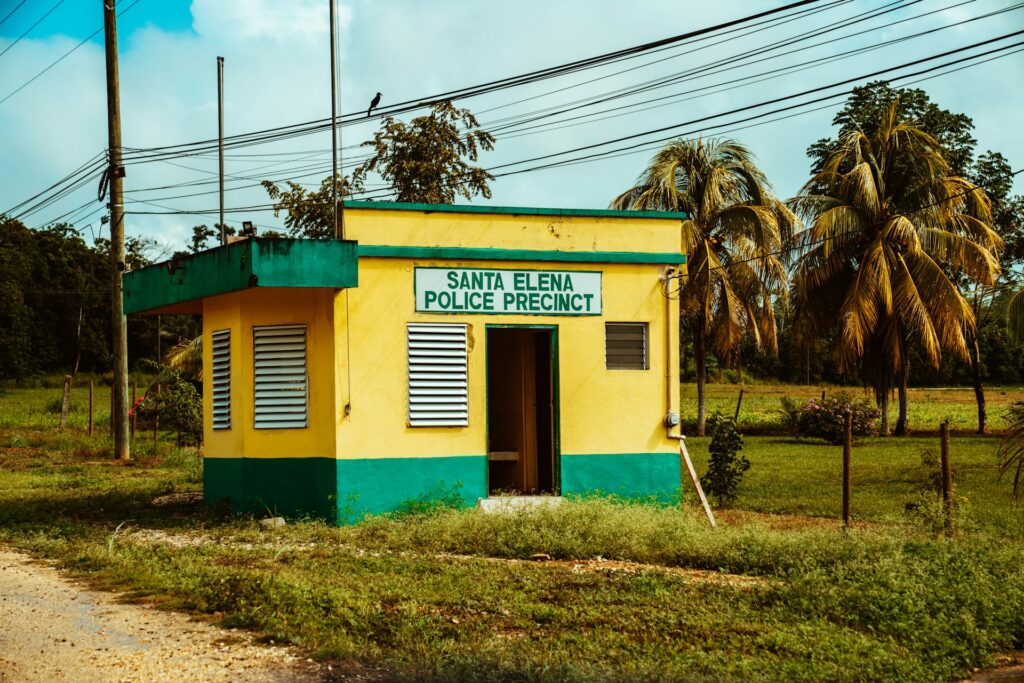
In Belize, the main number for emergencies is 911, which connects callers to police, fire, and ambulance services. Some private hospitals and clinics also offer direct ambulance services, although response times can vary depending on location. Urban areas such as Belize City typically have faster ambulance response, and rural or remote regions can experience delays due to distance, road conditions, or limited resources.
The quality and speed of emergency care can differ between public and private facilities. Public hospital emergency departments are often crowded, and wait times can be long, whereas private hospitals usually provide quicker attention and more immediate access to doctors. As an expat, you should carry your health insurance details, a copy of your medical history, and a list of any medications to help facilitate treatment. It can also be helpful to know which is your nearest hospital or clinic, and have the emergency numbers saved.
Vaccinations in Belize
There are no mandatory vaccinations for travel to Belize, but expats are generally advised to ensure routine vaccinations are up to date, including MMR (measles, mumps, rubella), diphtheria-tetanus-pertussis, polio, and influenza. Depending on your personal health and planned activities, additional vaccines might be recommended, such as hepatitis A and B, typhoid, rabies, and yellow fever if you’re arriving from a country where it is endemic. Malaria prevention is also sometimes advised for certain regions, particularly in rural or jungle areas.
It is recommended to consult a travel health clinic or your GP a few weeks before moving to Belize to discuss your vaccination needs. You should carry an up-to-date vaccination record, as some private healthcare providers will request it, and certain vaccines might also be required for travel or work purposes.
Common health risks in Belize
There are some common health risks in Belize to be aware of. This includes mosquito-borne diseases such as dengue fever, chikungunya, and Zika virus, which are particularly prevalent during the rainy season. Gastrointestinal illnesses from food or water contamination, such as traveller’s diarrhoea, are also common, along with occasional outbreaks of influenza and other respiratory infections. In rural areas, limited access to clean water and sanitation can increase the risk of waterborne illnesses.
Preventive measures are essential to reduce these risks. You should use mosquito repellent, wear long sleeves and trousers, and sleep under insecticide-treated nets to help prevent mosquito-borne diseases. You should always practice good hygiene, drink bottled or boiled water and avoid raw or undercooked foods to help minimise the risk of foodborne illnesses. You should stay up to date with recommended vaccinations and seek prompt medical attention for any worrying symptoms.
Tips for staying healthy in Belize
Here are some tips to help expats stay healthy while living in Belize:
- Protect against mosquito-borne illnesses by using insect repellent, wearing long sleeves and trousers, and sleeping under mosquito nets, especially during the rainy season.
- Stay up to date with vaccinations before arrival, including routine immunisations and any recommended travel vaccines.
- Be cautious with food and water by drinking bottled or boiled water, avoiding ice from uncertain sources, and eating well-cooked foods to reduce the risk of foodborne illnesses.
- Practice sun protection by using sunscreen, wearing hats, and staying hydrated.
- Keep a basic first aid kit and essential medications on hand, particularly if you plan to travel to rural or remote areas where healthcare access may be limited.
- Know emergency numbers (911) and locate your nearest hospital or clinic to ensure prompt medical assistance when needed.
- Maintain mosquito control at home by eliminating standing water around your property and using window screens to reduce exposure to insects.
- Stay aware of seasonal weather risks, including tropical storms or hurricanes between June and November, and have an emergency plan in place for severe weather.
Useful resources
- Emergency number for medical, fire, and police assistance: 911
- Belize Ministry of Health and Wellness: https://www.health.gov.bz/
- Belize expat forums for community advice:
Disclaimer
For informational purposes only
The content in this guide is for general informational and educational purposes only. It does not constitute legal, financial, tax, or medical advice.
Accuracy and currency
Regulations and laws change frequently. While we strive for accuracy, we make no guarantees that this information is complete, accurate, or up to date.
No reliance & professional advice
Do not rely on this guide as a substitute for professional advice. Always verify requirements directly with official government sources or qualified advisors before making decisions.
Limitation of liability
To the maximum extent permitted by law, Expatriate Group accepts no liability for any loss, damage, or errors arising from reliance on this information.