Health Insurance Bahrain
Our expat guide to the healthcare system and health insurance in Bahrain
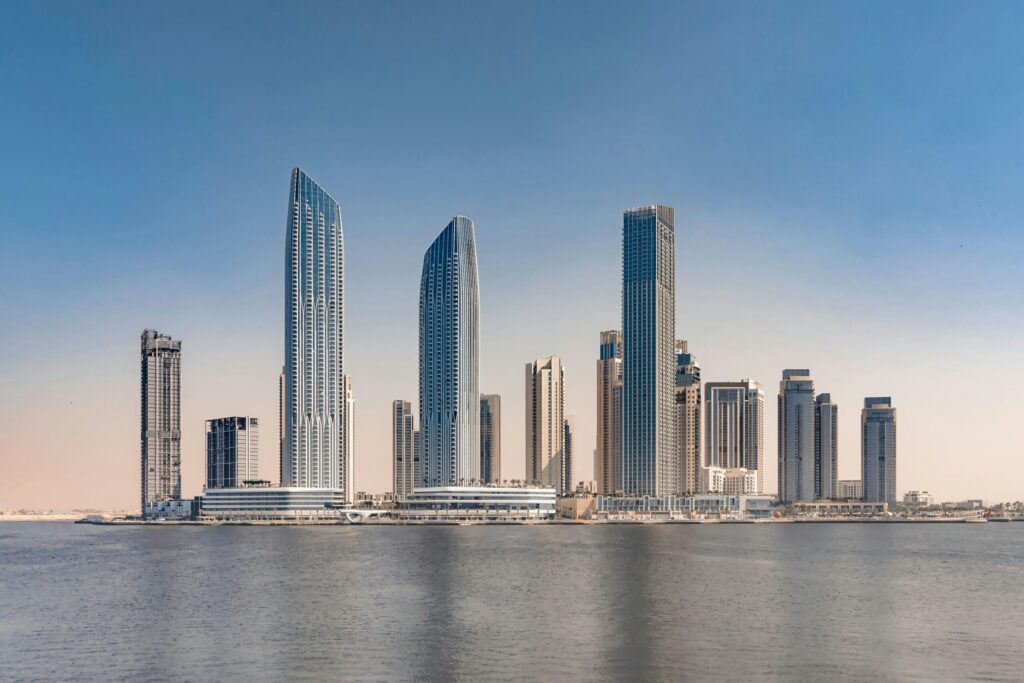
Bahrain offers a high standard of healthcare, with a well-developed system that combines public and private services. Both sectors are regulated and supported by the National Health Regulatory Authority, which helps to ensure consistent quality across providers.
Healthcare in Bahrain is generally accessible and affordable, with many medical professionals fluent in English, particularly in private hospitals and clinics. Expats often choose private care for shorter waiting times and broader insurance coverage, although public facilities are also available to residents at subsidised rates. Whether you already live or work there or are planning on moving to Bahrain, having clarity on your healthcare options can significantly ease the transition and support your wellbeing.
Can expats use public healthcare in Bahrain?
Bahrain’s public healthcare system is funded and managed by the Ministry of Health, which provides a network of hospitals and health centres across the country. Bahraini citizens have free access to public healthcare services; expats who have a valid residency permit can also use the system, although usually on a subsidised, pay-per-service basis.
The quality of care in Bahrain is generally high, particularly in larger government hospitals such as Salmaniya Medical Complex. Facilities are modern, and many doctors and medical staff are well-trained, and a significant number will have studied or practised abroad. That said, wait times in public facilities can be lengthy, especially for non-urgent care.
Costs for expats to access public healthcare are typically low compared to private services but won’t be entirely free. Most expats are charged a nominal fee for consultations, tests, or procedures. It’s advised to carry cash, as some centres do not accept card payments.
To access public healthcare, expats usually need to be registered with the Central Population Registry (CPR) and present their CPR card when attending appointments. Some services might require a referral from a primary health centre.
Limitations of the public healthcare system in Bahrain include potential language barriers, particularly with administrative staff, although many doctors speak English. Public facilities can also become overcrowded, and expats might find that certain treatments or medications are not covered, which could mean needing to seek private care for more comprehensive or faster service.
Does Bahrain have free healthcare?

Bahrain offers free public healthcare to its citizens, and covers a wide range of services including consultations, hospital treatment, emergency care, and some medications. For non-citizens, including expats, healthcare is not free but is subsidised. Expats will typically pay low out-of-pocket fees for treatment in public facilities, and costs remain relatively affordable compared to many other countries.
Whilst the public system is accessible to residents with a valid CPR (Central Population Registry) card, many expats choose to use private healthcare providers, either through employer-provided or international health insurance, to access shorter wait times and a broader range of services.
Why do expats use private healthcare in Bahrain?
Private healthcare in Bahrain is widely used by expats and provides a number of advantages over the public system. Facilities typically offer shorter wait times, more personalised care, and higher standards, with modern equipment and amenities. Many medical staff in private facilities speak English, which makes communication easier for non-Arabic speakers.
Costs in the private sector are higher than in public hospitals but still reasonable compared to many Western countries. A standard GP consultation might cost between BHD 20 and BHD 40, whilst specialist appointments, diagnostics, or minor procedures will be more. Emergency care, surgery, or extended hospital stays can incur significantly higher fees, so comprehensive health insurance is strongly recommended.
Popular private hospitals in Bahrain include the Bahrain Specialist Hospital, Royal Bahrain Hospital, American Mission Hospital, and KIMSHEALTH Medical Centre. These facilities are known for their experienced staff and wide range of specialties.
Whilst some employers do offer private health insurance as part of expat packages, it’s important to check what’s covered. If it’s not provided, it can be beneficial to purchase private insurance so you can avoid high out-of-pocket expenses and ensure access to the full range of services.
Can expats get health insurance in Bahrain?
Health insurance is not mandatory for expats in Bahrain, but it is strongly recommended. Many employers include private health insurance as part of an expat benefits package. However, coverage levels can vary, and not all policies provide access to private hospitals or specialist care.
Expats can choose between local and international health insurance plans. Local plans are often affordable and tailored to the Bahraini healthcare system, but they typically provide limited coverage outside the country. International plans are usually more comprehensive, and cover treatment in Bahrain and abroad, which can be beneficial for those who travel frequently or want the option of seeking treatment in their home country.
Typical health insurance policies cover general consultations, diagnostic tests, hospital stays, and some prescription medications. However, exclusions often include pre-existing conditions, dental care, optical treatment, and maternity services, although some providers offer these as additional extras.
The costs of health insurance in Bahrain will depend on your age, medical history, and coverage level. Basic local plans can start at around BHD 150–300 per year, while comprehensive international plans might range from BHD 500 to over BHD 1,000 annually. Insurance can be purchased through local providers, global insurers, or brokers who specialise in expat health cover.
How do pharmacies work in Bahrain?

Pharmacies are widely available across Bahrain, including in shopping centres, hospitals, and residential areas. Many are open late, and some offer 24-hour services. There is usually a broad range of medications available, and many common drugs that require a prescription elsewhere can often be purchased over the counter in Bahrain.
For prescription-only medications, you’ll need a valid prescription from a licensed doctor in Bahrain. Prescriptions can be filled at most pharmacies, and it’s common to receive generic versions of a medicine, unless you specifically request a branded drug.
Medication costs in Bahrain are relatively affordable, especially for the generic versions. Prices will be subsidised in public hospitals and clinics, and private pharmacies can charge more. It’s worth checking whether your health insurance covers prescription medication, as this can help reduce out-of-pocket expenses.
What are hospitals like in Bahrain?

What is the difference between public and private hospitals in Bahrain?
Bahrain has a well-structured hospital system that includes both public and private institutions. Public hospitals, such as Salmaniya Medical Complex and King Hamad University Hospital, are government-funded and primarily serve Bahraini citizens and residents. Private hospitals, including Bahrain Specialist Hospital and Royal Bahrain Hospital, cater to both locals and expats, offering more personalised care and faster access to services.
How good are hospitals in Bahrain?
The quality of hospital care in Bahrain is generally high, especially in private facilities. Some hospitals are accredited by international organisations such as the Joint Commission International (JCI), which reflects adherence to global healthcare standards. Private hospitals tend to be more popular among expats due to their modern equipment, shorter wait times, and more comfortable settings.
Do hospitals in Bahrain have English-speaking staff?
English is widely spoken in Bahrain hospitals, particularly in private ones. Most doctors and senior medical staff are fluent, and many nurses and administrative staff also have a good command of English. In some cases, especially in larger facilities, interpreters will be available for other languages.
What are the best hospitals in Bahrain?
Manama, the capital city, hosts many of Bahrain’s leading hospitals. Notable institutions include Bahrain Specialist Hospital, American Mission Hospital, KIMSHEALTH, and Royal Bahrain Hospital. These are known for their advanced facilities and wide range of specialities. Muharraq and Riffa also have reputable hospitals and health centres, including the King Hamad University Hospital.
What services do hospitals in Bahrain offer?
Hospitals in Bahrain provide a full range of services, from emergency care and surgery to maternity, paediatrics, diagnostics, and specialised treatments such as cardiology and oncology. Private hospitals often offer additional services such as physiotherapy, cosmetic surgery, and wellness clinics.
Do you need a referral to go to hospital in Bahrain?
Emergency departments accept walk-ins, but for non-urgent care, appointments or referrals will usually be required. In the public system, a referral from a health centre might be necessary for specialist or hospital treatment. In the private sector, patients can typically book directly with a specialist.
How much does hospital treatment cost in Bahrain?
Outpatient consultations at private hospitals typically cost between BHD 20 and BHD 50, while inpatient care can range from BHD 100 to BHD 500 per night, depending on the hospital and type of room. Surgery and advanced treatments will incur higher costs. Public hospitals charge nominal fees for expats, while services are free for citizens.
What are hospital facilities like in Bahrain?
Private hospitals in Bahrain typically offer a choice of accommodation, including standard shared rooms and private or VIP suites with hotel-style amenities. These include en-suite bathrooms, visitor seating, and sometimes dedicated meal services. Public hospitals in Bahrain are more basic but still functional, with limited options for private rooms.
Do hospitals in Bahrain accept health insurance?
Most private hospitals accept international and local insurance plans, but coverage levels can vary. Some will require patients to pay upfront and claim reimbursement later, whilst others will bill insurers directly. It’s best to confirm with the hospital and your insurer before you access treatment, if possible. Public hospitals do not typically accept private insurance, and fees must be paid directly.
What are emergency services like in Bahrain?
The Bahrain general emergency number is 999, which connects you to police, fire, or ambulance services. Calls are free of charge and operators usually speak both Arabic and English. For medical emergencies, ambulances can be dispatched from both public and private hospitals, although response times can vary depending on location and traffic. Private hospitals can offer emergency care, but it’s important to check in advance whether your insurance covers ambulance transport and private emergency treatment.
Emergency care in Bahrain is generally reliable, especially in major hospitals. However, public emergency departments can be busy, which results in some expats preferring private facilities for faster treatment. If you’re an expat, it’s advised to keep a list of nearby hospitals, your insurance details, and emergency contact numbers readily available. You can also carry your CPR card and a form of ID to help speed up admission and treatment.
What vaccinations do you need for Bahrain?
There are no mandatory vaccinations required for entry into Bahrain for, but it’s recommended to be up to date on routine immunisations such as measles-mumps-rubella (MMR), diphtheria-tetanus-pertussis, polio, and influenza. For longer stays or those working in healthcare or education, it can be beneficial to get additional vaccines such as hepatitis A and B, typhoid, and rabies, depending on your personal health profile and planned activities.
Although Bahrain is considered low-risk for diseases like malaria or yellow fever, proof of yellow fever vaccination is sometimes required if you’re arriving from a country where the disease is endemic. It’s best to consult a travel clinic or GP 4-6 weeks before you depart to ensure you have the right vaccinations and documents for entry.
What are the common health risks in Bahrain?
Dengue fever is a potential risk in Bahrain, especially during the warmer months when mosquitoes are more active. To reduce the risk of mosquito-borne illnesses, you should use insect repellent, wear long sleeves and trousers in the evening, and ensure your accommodation has window screens or air conditioning.
Foodborne illnesses can also occur in Bahrain, often caused by consuming undercooked or improperly stored food and contaminated water. To prevent these, you should drink bottled or filtered water, avoid raw or street food, and ensure the food you eat is thoroughly cooked.
Heat-related illnesses are common due to Bahrain’s hot climate, particularly in the summer. You should, therefore, make sure you stay hydrated, avoid direct sun during peak hours, wear light, breathable clothing, and take breaks in shaded or air-conditioned areas.
How can expats stay healthy in Bahrain?
Here are some tips for expats to stay healthy when living in Bahrain:
- Drink bottled or filtered water to avoid waterborne illnesses and skip ice unless you’re sure it’s from a safe source.
- Eat freshly cooked food from reputable places and avoid raw or undercooked dishes, especially meat and seafood.
- Protect yourself from the sun by wearing sunscreen, sunglasses, and light clothing, and avoid outdoor activity during peak heat.
- Monitor air quality during dust storms or high pollution days, especially if you have respiratory conditions.
- Stay hydrated throughout the day, particularly in the summer months when temperatures are high.
- Practise good hygiene such as regular handwashing, especially before eating or handling food.
- Respect local customs to ensure your comfort and safety, including dressing modestly and observing public behaviour etiquette.
Useful resources
- Emergency contact number for ambulance, police, and fire: 999
- Bahrain National Health Regulatory Authority – official website for healthcare regulation and standards: https://www.nhra.bh
- Bahrain expat forums for community advice:
Disclaimer
For informational purposes only
The content in this guide is for general informational and educational purposes only. It does not constitute legal, financial, tax, or medical advice.
Accuracy and currency
Regulations and laws change frequently. While we strive for accuracy, we make no guarantees that this information is complete, accurate, or up to date.
No reliance & professional advice
Do not rely on this guide as a substitute for professional advice. Always verify requirements directly with official government sources or qualified advisors before making decisions.
Limitation of liability
To the maximum extent permitted by law, Expatriate Group accepts no liability for any loss, damage, or errors arising from reliance on this information.