Health Insurance Austria
Our expat guide to the healthcare system and health insurance in Austria

Healthcare in Austria is widely regarded as high quality, combining modern facilities with well-trained medical professionals. There is generally a good balance between public and private care, providing a range of options depending on your needs and budget.
One of the key highlights of healthcare in Austria is affordability; compared with many other Western European countries, healthcare costs are relatively reasonable, especially if you’re covered by insurance. Accessibility is another plus, as there are comprehensive services available throughout the country. Most doctors and healthcare professional do speak German though, so language can be a consideration when choosing a provider.
As an expat, it’s important that you understand your healthcare options from the outset. Taking the time to plan your healthcare arrangements ensures that you receive the care you need while settling into life in Austria.
Public healthcare in Austria
Public healthcare in Austria is available to citizens, permanent residents, and expats who are employed or hold certain long-term visas that allow them to contribute to the social security system. Once you are enrolled, you’ll gain access to a wide range of services, including visits to GPs, specialists, hospital care, maternity services, and emergency treatment. The quality of care is generally very high, with modern hospitals, well-equipped clinics, and doctors who are highly trained, many of whom speak English in larger cities. However, wait times can vary, particularly for non-urgent specialist appointments, so planning ahead is important.
Healthcare costs under the public system are mostly covered – treatment is generally free or heavily subsidised. Some services, such as prescription medications, dental care, or certain specialist procedures, might require a small copayment though. To register, you will typically need a social security number, which is usually arranged through your employer if you are employed. Self-employed expats or those on certain visa types might need to organise contributions directly with the relevant authorities. While the public system offers comprehensive coverage, there are some limitations to be aware of. Language can be a barrier outside larger cities where English-speaking staff may be less common. Some hospitals or clinics can experience overcrowding, leading to longer waits for non-urgent appointments. In addition, while the system covers most essential healthcare, there are gaps in services such as elective procedures, certain therapies, or dental care, which might require supplementary private insurance. Due to these challenges, some expats opt for international health insurance so they can access private facilities.
Does Austria have free healthcare?

Austria does not offer completely free healthcare in the way some countries do, but the public system is largely funded through social security contributions. This means that most services are either free at the point of use or heavily subsidised.
If you are employed and paying into the system, or meet the requirements for public coverage, you generally won’t pay for standard GP visits, hospital care, or emergency treatment. Some services, such as prescription medications, dental care, or certain specialist procedures, often require a small copayment.
If you are not covered by the public system, for example, if you are self-employed without the necessary contributions or on a short-term visa, it’s advised to take out private health insurance to cover medical costs. Even with public coverage, many expats choose to take out supplementary private insurance to reduce waiting times, access English-speaking specialists, or cover treatments not fully included in the public system.
Private healthcare in Austria
Private healthcare in Austria offers a number of advantages over the public healthcare system. These include shorter wait times, higher comfort standards, and the option to see English-speaking staff more easily. Private hospitals and clinics also often provide single or double rooms, more flexible appointment scheduling, and a wider choice of specialists.
Costs for private healthcare can vary depending on the treatment and facility. Routine consultations with specialists typically range from around €50 to €150, and more complex procedures or hospital stays can be several hundred to several thousand euros. Many expats choose to use private health insurance to cover these costs, which not only helps with affordability but also ensures access to a broader network of private providers.
Popular private hospitals and clinics include facilities in Vienna, such as the Privatklinik Döbling, Rudolfinerhaus, and the Wiener Privatklinik, which are known for high standards of care and international patient services. Even if you are covered by the public system, having private insurance is often recommended, as it provides peace of mind, guarantees quicker access to care, and can cover treatments that the public system may not fully include.


Health insurance for expats in Austria
For expats in Austria, health insurance is essentially mandatory if you are employed or planning to stay long-term, but it is handled through the public system. Employees and their dependents are usually covered automatically via social security contributions. If you are self-employed, on a student visa, or otherwise not eligible for public coverage, you will need to take out private health insurance.
When it comes to choosing a plan, you can opt for local Austrian health insurance or an international plan. Local plans often provide comprehensive coverage within Austria, including GP visits, specialist care, hospital treatment, and maternity services. International plans typically offer broader coverage, including treatment abroad, repatriation, and higher limits on specialist care, which can be useful if you travel frequently or want additional flexibility.
Health insurance coverage generally includes consultations with doctors, hospital stays, emergency care, diagnostic tests, and some prescription medications. Exclusions commonly include elective cosmetic procedures, dental care, certain therapies, and treatments received outside your plan’s network or outside Austria unless you have an international plan.
Costs of health insurance in Austria can vary depending on the type of insurance, age, health status, and coverage level. Public contributions for employees are deducted from your salary, usually a small percentage of your income. Private plans can range from approximately €50–€200 per month for basic coverage to €400 or more for more comprehensive international plans. You can buy insurance directly from Austrian providers, through brokers, or for international plans, from global insurance companies specialising in expat coverage.
Pharmacies and medication in Austria

In Austria, pharmacies are widely available and well-stocked, with most towns and cities having several options. Many common medications can be purchased over-the-counter, including painkillers, cold remedies, and basic first-aid supplies. More specialised or stronger medications will require a prescription from a doctor, which you can obtain through a GP or specialist.
To fill a prescription, you take it to a pharmacy (Apotheke), where the pharmacist will dispense the medication. Pharmacies can provide guidance on how to take medicines and potential side effects, and many staff in larger cities speak English.
The costs of medication will vary depending on whether you are covered by public or private insurance. For prescriptions under the public system, you usually pay a small copayment, whilst private patients pay the full price unless reimbursed by insurance. Over-the-counter medications are paid for directly, typically ranging from a few euros for basic items to higher prices for more specialised products.
Hospitals in Austria
Public vs private hospitals
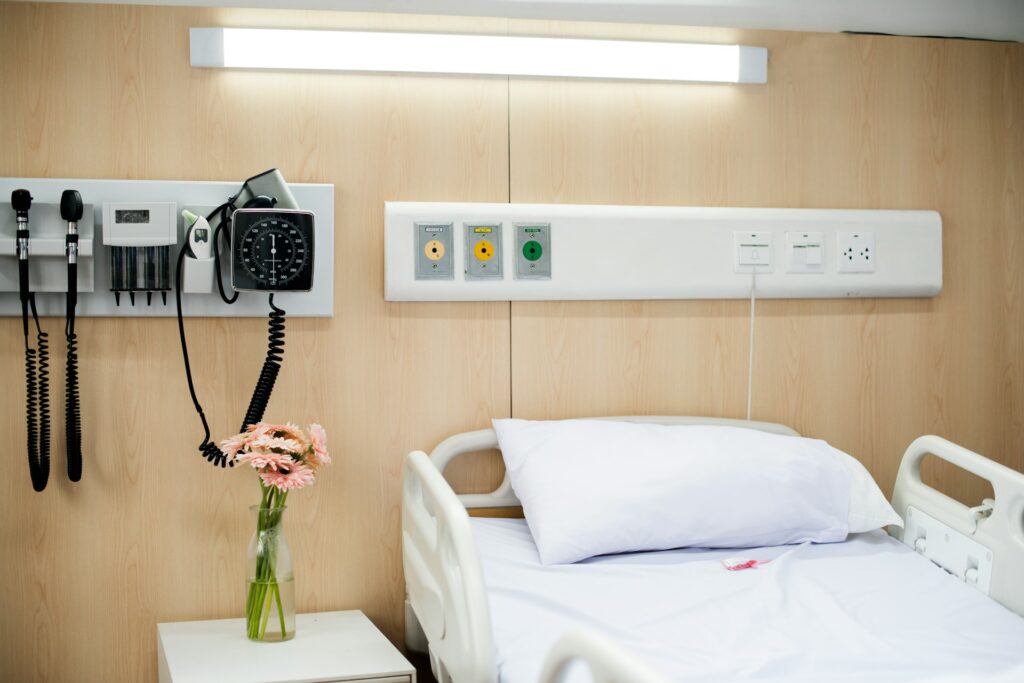
Austria has a well-developed hospital network, divided between public and private facilities. Public hospitals are spread throughout the country and generally offer comprehensive care. Private generally hospitals focus on faster access, higher comfort, and more personalised services. There are dozens of major hospitals in cities such as Vienna, Graz, and Salzburg, which makes healthcare is accessible across the country.
Quality of hospitals in Austria
The quality of care in Austrian hospitals is very high, with many facilities meeting international standards. Some private hospitals are JCI-accredited and have a strong reputation among expats for professional, reliable care. Doctors and medical staff are highly trained, and treatments follow modern clinical protocols.
English-speaking staff in Austrian hospitals
German is the primary language in hospitals, but larger public and most private hospitals have English-speaking staff, particularly in departments that see many international patients. Interpreters can often be arranged if needed, although it can be helpful to confirm availability in advance.
Top hospitals in major cities
Vienna is home to some of the best hospitals in Austria, such as the AKH (Allgemeines Krankenhaus) and private facilities like Rudolfinerhaus and Privatklinik Döbling. Graz, Salzburg, and Innsbruck also offer high-quality hospitals with both public and private options.
Services offered in hospitals in Austria
Hospitals in Austria provide a full range of services, including emergency care, specialised treatments, maternity services, surgical procedures, and intensive care. Many private hospitals offer additional services such as elective procedures and wellness-focused care.
Hospital admission process
For non-emergency care, a referral from a GP or specialist is usually required, though walk-ins are accepted for emergencies. Private hospitals often allow direct booking with specialists, which can reduce waiting times significantly.
Costs of healthcare in Austrian hospitals
Costs vary depending on whether you are using public or private care. Public hospitals are largely subsidised, with patients paying minimal copayments, while private hospitals can charge several hundred to several thousand euros for inpatient stays or complex procedures. Outpatient consultations in private hospitals typically range from €50 to €150.
Facilities and comfort
Public hospitals usually provide standard wards, which are functional but basic. Private hospitals offer higher comfort levels, including private rooms, single-bed wards, and hotel-style amenities.
Healthcare insurance acceptance
Most hospitals accept Austrian public insurance directly. Private hospitals generally accept both local and some international insurance plans, though you may need to pay upfront and claim reimbursement later, depending on your policy. If possible, you should confirm coverage before treatment to help avoid unexpected expenses.
Austria emergency services

The main number to call for a medical emergency in Austria is 144, which connects you to ambulance services. You can also call 112 in certain situations, as it is the EU-wide emergency number. Emergency services in Austria are well-organised, with trained paramedics and rapid response times, particularly in urban areas. Hospitals provide high-quality emergency care, and most major cities have well-equipped emergency departments capable of handling a wide range of medical situations.
As an expat, it’s important to familiarise yourself with the local emergency numbers and keep your insurance information handy. If you have limited German, try to learn key phrases or have a translation app ready, as this can speed up communication in a stressful situation. For serious emergencies, call immediately rather than trying to get to a hospital on your own, as ambulance services are well-equipped to provide care en route.
Vaccinations in Austria
Before moving to Austria, there are no mandatory vaccinations for entry for most travellers, but some immunisations are recommended to ensure your health while living in the country. Routine vaccinations such as measles, mumps, rubella (MMR), diphtheria, tetanus, and polio should be up to date. Seasonal flu vaccinations are also advised, particularly for children, the elderly, or those with underlying health conditions.
Depending on your personal health circumstances or planned activities, additional vaccines, such as hepatitis A and B, might be recommended. It’s a good idea to review your vaccination status with a healthcare provider before arrival to ensure you are fully protected and to comply with any school or occupational requirements once in Austria.
Common health risks in Austria
Austria is generally a very safe country in terms of health, with a low risk of serious infectious diseases. You are unlikely to encounter tropical illnesses such as dengue or malaria. The most common health risks are seasonal, such as colds, flu, or gastrointestinal infections from foodborne bacteria. Tick-borne encephalitis can occur in rural or forested areas, particularly during the warmer months, so precautions are advised if you spend time outdoors.
Preventive measures include maintaining routine hygiene, washing hands regularly, ensuring food is properly prepared, and staying up to date with vaccinations such as the seasonal flu shot. If you plan to spend time in wooded or rural areas, you can wear protective clothing, use insect repellent, and consider the tick-borne encephalitis vaccine to help reduce any risk of illness.
Tips for staying healthy in Austria

Here are some tips to help expats stay healthy while living in Austria:
- Protect against seasonal illnesses by keeping up to date with routine vaccinations, including measles, mumps, rubella, and seasonal influenza, especially during the winter months.
- Practice good food hygiene by washing hands regularly and ensuring food is properly prepared and stored; Austria has high food safety standards, but occasional gastrointestinal infections can occur.
- Be aware of tick-borne risks in rural or forested areas, particularly during spring and summer. Use insect repellent, wear long sleeves and trousers, and consider the tick-borne encephalitis vaccine if you spend time outdoors.
- Register with a local GP early to ensure access to healthcare and familiarise yourself with emergency numbers (144 for medical emergencies).
- Maintain mental and physical wellbeing by staying active, enjoying outdoor activities like hiking or skiing safely, and seeking support if you experience stress while adjusting to a new environment.
- Carry a basic first aid kit and essential medications for minor injuries or illnesses, particularly if you plan to spend time in rural or mountainous areas where immediate medical care may be less accessible.
Useful resources
- Emergency number for medical and ambulance: 144
- Emergency number for police: 133
- Emergency number for fire: 122
- EU-wide emergency number for medical, fire, and police: 112
- Federal Ministry Labour, Social Affairs, Health, Care, and Consumer Protection: https://www.sozialministerium.gv.at/en.html
- Austria expat forums for community advice:
Disclaimer
For informational purposes only
The content in this guide is for general informational and educational purposes only. It does not constitute legal, financial, tax, or medical advice.
Accuracy and currency
Regulations and laws change frequently. While we strive for accuracy, we make no guarantees that this information is complete, accurate, or up to date.
No reliance & professional advice
Do not rely on this guide as a substitute for professional advice. Always verify requirements directly with official government sources or qualified advisors before making decisions.
Limitation of liability
To the maximum extent permitted by law, Expatriate Group accepts no liability for any loss, damage, or errors arising from reliance on this information.