Health Insurance Australia
Our expat guide to the healthcare system and health insurance in Australia

Australia is renowned for its high-quality healthcare system and consistently ranks amongst the best globally. Residents benefit from a mix of public and private healthcare, ensuring access to comprehensive medical services, from GPs to specialist care. Key highlights include universal coverage through Medicare, which provides affordable treatment for citizens and permanent residents, as well as a well-established private healthcare sector which offers shorter wait times and additional services.
It’s essential for those who are moving to Australia to understand how the healthcare system works, including insurance options, bulk billing, and out-of-pocket costs. This guide will help you to familiarise yourself with both public and private healthcare options so you can access to timely care, manage your expenses, and maintain peace of mind while living in Australia.
Does Australia have public healthcare?
Australia’s public healthcare system, delivered primarily through Medicare, provides high-quality medical services to citizens and permanent residents. Certain temporary visa holders might also be eligible, either through reciprocal healthcare agreements with their home country or by paying for private cover.
The quality of care in public facilities is generally excellent. Hospitals are well-equipped, and doctors are highly trained, with public hospitals handling everything from emergency care to complex surgeries. Urban centres tend to have shorter wait times and more specialised services, whereas regional areas can experience longer waits for certain procedures.
Costs for eligible patients are largely free or heavily subsidised. Public hospital treatments, consultations with GPs, and many specialist services are covered under Medicare, but prescription medications will often involve a copayment through the Pharmaceutical Benefits Scheme. Non-residents or those without Medicare access will need to pay out-of-pocket or through private insurance.
To access public healthcare, eligible individuals must enrol in Medicare, providing proof of identity, residency, and visa status. Once registered, you’ll be issued a Medicare card, which will allow seamless access to hospitals, GPs, and subsidised services.
Despite its strengths, the Australian public healthcare system does have limitations. Some hospitals can be overcrowded, and elective procedures often involve significant waiting periods. In addition, certain treatments, such as dental care or physiotherapy, might not be fully covered under the scheme. As such, some expats opt for comprehensive international health insurance to access additional services without paying out of pocket.
Does Australia have free healthcare?

Australia’s public healthcare system provides largely free or heavily subsidised healthcare for eligible residents, but it is not universally free for everyone. Citizens and permanent residents can access a wide range of essential services at little or no cost. This includes treatment in public hospitals, GP consultations, and many specialist services. Prescription medications are subsidised under the Pharmaceutical Benefits Scheme, but patients often need to pay a small copayment.
Temporary visa holders generally do not qualify for full Medicare coverage. Some may benefit from reciprocal healthcare agreements with their home country, which allow access to certain public services at reduced cost, whilst others will need to rely on private health insurance. Emergency care in public hospitals is available to all, regardless of residency, but non-urgent treatment for non-residents can be expensive.
Even for eligible residents, some services are not fully covered. Dental care, physiotherapy, optical services, and some allied health treatments might require out-of-pocket payments or private insurance.
Does Australia have private healthcare?
Private healthcare in Australia offers expats an alternative to the public system, providing shorter wait times, higher comfort standards, and a wide choice of specialists. Private hospitals often have private rooms and modern facilities and can offer a higher degree of comfort than the public system.
The costs for private healthcare will vary depending on the treatment and hospital. A standard consultation with a specialist can range from AUD 100 to 300, and elective surgeries and inpatient treatments can cost several thousand dollars. Private health insurance is strongly recommended, as it helps cover these expenses and can include extras such as dental, physiotherapy, and optical care, which are not always covered by Medicare.
Some of the well-known private hospitals and clinics in Australia include Ramsay Health Care facilities, St Vincent’s Private Hospital in Sydney and Melbourne, and the Mater Private Hospital group. These institutions are recognised for their high standards of care, advanced technology, and broad range of specialties.


Do expats need health insurance in Australia?
Health insurance is not universally mandatory for all expats in Australia, but, in some cases, it will be strongly recommended or required. For example, certain visa types, such as temporary work or student visas, might require proof of adequate health insurance as part of visa conditions. Even when it’s not mandatory, having insurance will ensure you can access private care and help manage potential medical costs.
Expats can choose between local Australian health insurance and international health plans. Local policies generally offer comprehensive cover for public and private hospital treatment, GP visits, and selected allied health services. International plans are often more flexible for those who travel frequently or may return to their home country.
Typical health insurance coverage includes hospital stays, specialist consultations, surgery, emergency treatment, and sometimes extras such as dental, optical, physiotherapy, and prescription medications. Exclusions often apply to pre-existing conditions, elective cosmetic procedures, fertility treatments, and some alternative therapies.
The costs for health insurance in Australia will vary based on age, coverage level, and whether extras are included. For example, basic local private health insurance can start around AUD 100–150 per month, whereas more comprehensive policies may cost AUD 300 or more per month. Policies can be purchased directly from Australian insurers, via brokers, or through international insurance providers before arrival, with many allowing online applications and immediate coverage once approved.
How do pharmacies and medication work in Australia?

Pharmacies are widely available across Australia, including city centres and regional towns. Many medications can be purchased over the counter, including common painkillers, cold and flu remedies, and basic first-aid products. More specialised or stronger medications will typically require a prescription from a GP or specialist. Most pharmacists can offer guidance on minor ailments, dosage, and potential side effects.
To fill a prescription, patients will generally just need to present it at a pharmacy. Prescription medications are subsidised under the Pharmaceutical Benefits Scheme (PBS) for eligible residents, which can significantly reduce costs, although a copayment will usually be applied. Non-residents or those without Medicare might need to pay the full price, which can be considerably higher. Some medications may also be imported or sourced through a pharmacy if not readily available locally, so you may need to plan ahead for medication you need.
What are hospitals like in Australia?

What is the difference between public and private hospitals in Australia?
Australia has a dual hospital system which compromises both public and private facilities. Public hospitals are funded through Medicare and provide free or subsidised care for eligible residents. Private hospitals offer faster access, more comfort, and a wider choice of specialists for those who have private insurance.
How good are hospitals in Australia?
Many Australian hospitals meet international quality standards and some are Joint Commission International (JCI) accredited. The overall quality of care is high, with well-trained doctors and modern facilities. Hospitals in Australia are generally well-regarded by expats for their safety, professionalism, and reliability.
Do Australian hospitals have English-speaking staff?
English is the primary language in all Australian hospitals. Staff will generally be fluent in English, and interpreter services are available in larger hospitals for patients who need support with other languages.
What are the best hospitals in Australia’s major cities?
Sydney, Melbourne, Brisbane, and Perth host the most renowned hospitals. Examples include Royal Prince Alfred Hospital in Sydney, St Vincent’s Private Hospital in Melbourne, and Mater Private Hospital in Brisbane, which are all known for specialised care and advanced medical technology.
What services do hospitals in Australia offer?
Hospitals in Australia provide a wide range of services, including emergency care, specialised treatments, maternity and paediatric care, surgery, diagnostic testing, and rehabilitation services.
What is the hospital admission process like in Australia?
For public hospitals, patients typically require a GP or specialist referral for non-emergency treatment. Walk-ins are accepted for emergencies. Private hospitals usually allow self-referral, particularly for elective procedures, and you may be able to schedule appointments directly with specialists.
How much does hospital treatment cost in Australia?
Inpatient care in public hospitals is free for Medicare-eligible patients. Private patients, on the other hand, could need to pay several thousand dollars, depending on treatment. Outpatient consultations with specialists in private hospitals usually range from AUD 100–300 per visit. Costs for non-residents without insurance can be substantially higher.
What are hospital facilities like in Australia?
Private hospitals in Australia generally offer private or VIP rooms with en-suite bathrooms, television, and meals. Public hospitals often provide shared wards with standard facilities, although still of good quality. The overall comfort and amenities can vary depending on the hospital and room type.
Do Australian hospitals accept international health insurance?
Most private hospitals accept Australian private health insurance and some international insurance plans directly. Non-residents or patients without insurance might need to pay upfront and claim reimbursement later, so it’s recommended to confirm your coverage in advance.
What is the emergency number for Australia?
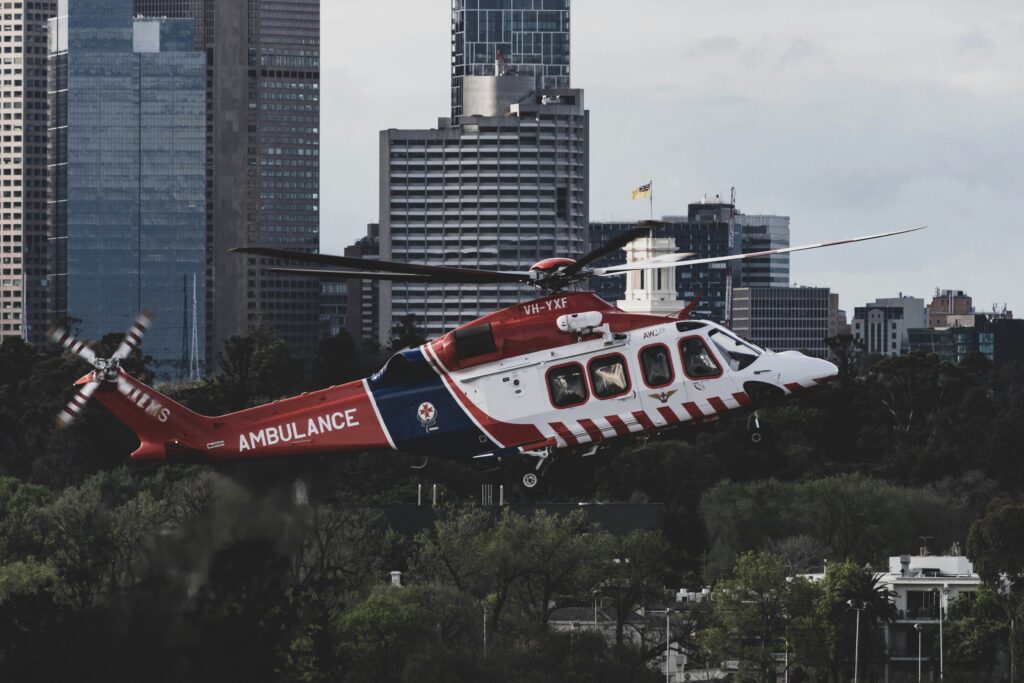
In Australia, the primary number for all emergencies is 000, which connects callers to ambulance, police, and fire services. For non-life-threatening situations, expats can contact 112 from a mobile phone or local urgent care centres. Ambulances are generally well-equipped, staffed by trained paramedics, and can reach most urban locations quickly. In rural areas, response times may be longer, so it’s important to be aware of the nearest hospital or medical centre.
Emergency care in Australian hospitals is of high quality, with well-organised triage systems to prioritise critical cases. Expats should keep a list of personal medical information, including allergies, ongoing prescriptions, and insurance details, to provide to emergency personnel. Knowing the nearest hospital, having private health insurance for non-residents, and understanding ambulance coverage can also significantly reduce stress and costs in urgent situations.
Do you need vaccinations for Australia?
Before travelling to Australia, expats should ensure they are up to date with routine vaccinations, including measles, mumps, rubella (MMR), diphtheria, tetanus, pertussis, polio, and seasonal influenza. Depending on your specific health status and travel history, you may also need additional vaccines such as hepatitis A and B, Japanese encephalitis, and COVID-19. If you’re travelling with children, you should review the standard Australian immunisation schedule to ensure it aligns with any previous vaccinations received in your home country.
While Australia does not mandate most vaccines for entry, certain visas or school enrolments might require proof of immunisation. You should consult your healthcare provider or a travel health clinic well in advance of your arrival to ensure you receive any necessary vaccines.
What are the common health risks in Australia?
Australia is generally considered a safe and healthy country, but there are some local health risks expats should be aware of. Mosquito-borne illnesses such as dengue fever and Ross River virus can occur in northern regions, particularly during the wet season. Skin cancer is a significant concern due to high UV levels, so sun protection is essential. Foodborne illnesses, such as Salmonella can occur, although Australia has strict food safety regulations which help to keep risks relatively low. In certain rural or remote areas, tick-borne diseases and venomous wildlife encounters, such as snakes or spiders, can also cause health risks.
Preventive measures include using insect repellent, wearing protective clothing, and avoiding stagnant water in mosquito-prone regions. You should regularly use sunscreen, hats, and sunglasses to reduce the risk of skin cancer. You should also always practice safe food handling, wash hands regularly, and drink clean, treated water to help prevent foodborne illnesses. You should also be aware of local wildlife warnings and follow guidance when camping or hiking in regional areas.
How can expats stay healthy in Australia?
Here are some tips to help expats stay healthy while living in Australia:
- Protect against sun exposure by using sunscreen, wearing hats, sunglasses, and protective clothing, particularly during the summer months, to reduce the risk of skin cancer.
- Stay up to date with vaccinations, including routine immunisations and any recommended travel or seasonal vaccines, such as influenza.
- Be cautious with food and water by practising good hygiene and food safety; while Australia has high standards, occasional foodborne illnesses can occur.
- Prevent mosquito-borne illnesses in northern regions by using insect repellent, wearing long sleeves, and avoiding stagnant water during the wet season.
- Be mindful of local wildlife by taking precautions in rural or bush areas to avoid snakes, spiders, or marine hazards such as jellyfish.
- Keep a basic first aid kit and medications handy, particularly if you’re living or travelling in remote or regional areas where medical facilities are limited.
- Register with a GP and know local emergency numbers (000) to ensure prompt access to medical care.
- Maintain mental and physical wellbeing by staying active, drinking plenty of water in hot climates, and seeking support if adjusting to seasonal changes or the Australian lifestyle becomes challenging.
Useful resources
- Emergency number for medical, fire, and police: 000
- Non-emergency number for medical, fire, and police (mobile only): 112
- Australia Department of Health, Disability and Ageing: https://www.health.gov.au/
- Australian Institute of Health and Welfare: https://www.aihw.gov.au/
- Australia expat forums for community advice:
- https://britishexpats.com/forum/australia-54/
- https://www.expatforum.com/forums/australia-expat-forum-for-expats-living-in-au.6/
- https://www.expatexchange.com/expats-living-in-australia/australia-expat/forum/168/511
- https://www.expat.com/en/forum/oceania/australia/
- https://www.internations.org/australia-expats
Disclaimer
For informational purposes only
The content in this guide is for general informational and educational purposes only. It does not constitute legal, financial, tax, or medical advice.
Accuracy and currency
Regulations and laws change frequently. While we strive for accuracy, we make no guarantees that this information is complete, accurate, or up to date.
No reliance & professional advice
Do not rely on this guide as a substitute for professional advice. Always verify requirements directly with official government sources or qualified advisors before making decisions.
Limitation of liability
To the maximum extent permitted by law, Expatriate Group accepts no liability for any loss, damage, or errors arising from reliance on this information.