Health Insurance Argentina
Our expat guide to the healthcare system and health insurance in Argentina

Argentina’s healthcare system is made up of both public and private sectors, offering a wide range of medical services across the country. While public hospitals provide free care to all, the quality and availability of services can vary, especially outside major cities. Private healthcare facilities, on the other hand, are known for their higher standards, modern equipment, and faster access to specialists, often matching international expectations.
For expats moving to Argentina, it is essential to understand how the healthcare system works, including the benefits and limitations of both public and private care. Navigating health insurance options, knowing which services are covered, and choosing the right providers will help avoid unnecessary costs and ensure timely access to quality medical treatment.
This guide provides all the essential information expats need to make informed decisions about healthcare and health insurance in Argentina.
What is the public healthcare system like in Argentina?
Argentina’s public healthcare system, known as the “Sistema de Salud Pública”, provides free medical care to residents and visitors, including expats. Funded by the government, public hospitals and clinics offer a wide range of services, from emergency care to surgeries, at no cost. However, the system often faces challenges such as long waiting times, overcrowding, and limited resources, especially outside of major cities like Buenos Aires, Córdoba and Rosario.
For expats, Argentina’s public health system can serve as a reliable safety net, but many choose to take out private health insurance to gain quicker access to specialists and private hospitals, which are generally seen as offering higher standards of comfort and shorter waiting times. Private insurance is usually quite affordable compared to the UK, Europe or North America.
Argentina also has a strong network of pharmacies, and many medicines are available without a prescription. Medical professionals are often highly trained, with some doctors having studied or worked abroad. While Spanish is the main language in healthcare settings, larger private hospitals may have English-speaking staff available.
In summary, Argentina’s public health system ensures access to essential services, though many expats prefer to combine public healthcare with private cover for greater convenience and choice.
Is healthcare in Argentina free?

Healthcare in Argentina is free at the point of use in the public system for everyone, including foreigners and expats. The public healthcare system, funded by the government, provides a wide range of medical services such as emergency care, hospitalisation, surgeries, and basic treatments at no cost. This applies regardless of a person’s residency status, making it an important safety net for those living in or visiting Argentina.
However, while public healthcare is free, it can suffer from long waiting times, overcrowded facilities, and limited resources, particularly outside major urban centres. For this reason, many people, including expats, choose to take out private health insurance to access private hospitals and clinics, where the standard of care is often higher, with faster appointments and more comfort.
In summary, Argentina does offer free public healthcare, but many residents prefer a combination of public and private services to ensure broader access and efficiency.
How does private healthcare work in Argentina?
Private healthcare in Argentina is a popular choice for both locals and expats seeking faster access to medical services and higher standards of comfort. While the country’s public healthcare system is free and widely accessible, private healthcare offers shorter waiting times, access to a broader network of specialists, and more modern facilities. Private hospitals and clinics, especially in cities like Buenos Aires, Córdoba and Rosario, are well-regarded for their quality of care and advanced medical technology.
Private health insurance (known locally as “prepagas”) is commonly used to cover the costs of private medical services. Premiums are generally affordable compared to Europe or North America, making private insurance an attractive option for many expats. Some expats also choose to pay out-of-pocket for individual consultations or treatments, as private healthcare costs in Argentina are often lower than in many Western countries.
Many doctors and specialists in the private sector have international training and experience. While Spanish is the main language, larger private hospitals often have English-speaking staff. For expats seeking comfort, flexibility, and quick access to care, Argentina’s private healthcare system provides a practical and high-quality solution.



Do expats need health insurance in Argentina?
Health insurance is an important consideration for expats living in Argentina. While the country’s public healthcare system is free and open to everyone, many expats prefer to take out private health insurance (prepagas) to access better facilities, shorter waiting times, and a wider choice of specialists.
Private health insurance in Argentina is generally more affordable than in North America or Europe. Monthly premiums vary depending on the provider, level of coverage, and age of the insured, but it is possible to find comprehensive plans at reasonable prices. Some of the well-known health insurance companies in Argentina include OSDE, Swiss Medical, Medicus and Galeno. These providers offer access to top private hospitals and clinics across the country.
Expats can choose between full coverage plans or more basic packages that cover only hospitalisation and emergencies. Some policies also include dental care, optical services, and maternity coverage. It is also possible to pay for private healthcare services out-of-pocket, as consultation and treatment costs in Argentina are often much lower than in many Western countries.
International health insurance plans are also accepted at some private hospitals, but they are usually more expensive. For expats staying long-term, a local prepaid plan often offers the best value and convenience.
How easy is it to get medication in Argentina?

Pharmacies are widespread and easily accessible throughout Argentina, even in smaller towns. Known as “farmacias”, they are typically open during normal business hours, with some operating 24/7 in larger cities. A rotating system of on-call pharmacies ensures that emergency services are always available at night and on weekends.
Most common medications are readily available and often cost significantly less than in Europe or North America. Over-the-counter medicines include painkillers, cold and flu remedies, and basic antibiotics, though certain prescription drugs may require a doctor’s note. Pharmacies in Argentina are well-stocked, and generic versions of medications are commonly used, providing a more affordable alternative to brand-name drugs.
Pharmacists are usually knowledgeable and can offer advice for minor health issues. However, Spanish is the primary language, so expats with limited Spanish skills may face some communication challenges, though staff in larger cities are more likely to understand English.
Private health insurance plans often cover a portion of medication costs, reducing out-of-pocket expenses. It’s advisable for expats to bring a copy of their regular prescriptions and learn the generic names of their medications, as brand names may differ from those in their home country.
What are hospitals like in Argentina?

What is the difference between public and private hospitals in Argentina?
Public hospitals in Argentina offer free medical care to everyone, including expats, but often face long waiting times, overcrowding, and limited resources. Private hospitals, on the other hand, provide faster access to specialists, more comfortable facilities, and higher service standards. Many expats prefer private care, using prepaid health insurance (prepagas) to cover costs. Private hospitals are generally more modern and efficient, especially in larger cities like Buenos Aires.
How good are hospitals in Argentina?
Hospital quality in Argentina varies. Public hospitals provide essential services but can be crowded with longer wait times. Private hospitals generally offer higher-quality care, modern equipment, and more comfort. Many private facilities in major cities have internationally trained doctors and advanced technology, making them popular among expats seeking reliable and efficient medical treatment.
Do hospitals in Argentina have English-speaking staff?
English-speaking staff are more common in private hospitals and clinics in Argentina’s major cities like Buenos Aires, Córdoba, and Rosario. Public hospitals primarily operate in Spanish, so language barriers can occur there. Expats using private healthcare often find it easier to communicate, as many private facilities employ bilingual staff or interpreters to assist international patients. Learning basic Spanish is still helpful for navigating any healthcare setting.
What are the best hospitals in Argentina’s major cities?
Top hospitals in Argentina’s major cities include Hospital Italiano and Hospital Alemán in Buenos Aires, both known for excellent care and advanced facilities. In Córdoba, Clínica Reina Fabiola is highly regarded, while Clínica de Rosario stands out in Rosario. These private hospitals offer quality medical services, international standards, and often have English-speaking staff, making them popular choices for expats.
What services do hospitals in Argentina offer?
Hospitals in Argentina offer a wide range of services, including emergency care, general medicine, surgery, maternity and prenatal care, paediatrics, and specialised treatments like cardiology, oncology, and orthopaedics. Both public and private hospitals provide diagnostic services such as laboratory tests, X-rays, and MRI scans. Private hospitals often offer additional amenities like outpatient clinics, dental care, and rehabilitation services. Many facilities also provide vaccination programmes and preventive health screenings to support overall wellbeing.
What is the hospital admission process in Argentina?
In Argentina, hospital admission typically begins with registration at the reception or emergency department. Public hospitals require identification and proof of residency or visa, but care is provided regardless. Private hospitals ask for insurance details or payment upfront. After initial assessment by medical staff, patients are assigned a room or treatment area. In private hospitals, the process is usually faster and more personalised compared to public facilities.
How much does healthcare cost in Argentina?
Healthcare costs in Argentina vary widely. Public hospitals offer free services to residents and visitors, including expats, with no direct charges. Private hospitals, however, charge fees for consultations, tests, and treatments. Costs in private facilities are generally lower than in Europe or North America but vary by hospital and service. Private health insurance helps cover these expenses, making private care more affordable and accessible for many expats and locals alike.
What are hospital facilities like in Argentina?
Private hospitals in Argentina typically offer modern facilities with comfortable rooms, private bathrooms, and advanced medical technology. Public hospitals provide essential care but often have basic amenities and can be crowded. Many expats prefer private facilities for a higher level of comfort and personalised service during their stay or treatment.
Do hospitals in Argentina accept health insurance?
Most private hospitals in Argentina accept local health insurance (prepagas) and some international insurance plans. However, international coverage may be limited, so expats often choose local insurance for better access and coverage within the country’s healthcare system.
How do emergency services work in Argentina?

Argentina’s emergency services are reliable and accessible throughout the country. In case of medical emergencies, the national emergency number 911 can be dialled from any phone for immediate assistance. Ambulance services are available in both public and private sectors, with private ambulances often providing faster response times in major cities like Buenos Aires.
Public hospitals have emergency departments that operate 24/7 and offer free care for urgent cases. Private hospitals also provide emergency services with shorter waiting times and more advanced facilities. Paramedics are usually well-trained to provide initial treatment and stabilise patients during transport.
Emergency services include treatment for accidents, heart attacks, strokes, and other critical conditions. Many private insurance plans cover ambulance and emergency care costs. Expats are advised to have health insurance and keep emergency numbers handy. Knowing basic Spanish phrases can also help during emergencies, as communication with emergency responders is mostly in Spanish.
Do I need vaccinations for Argentina?
Before travelling to Argentina, certain vaccinations are recommended to protect your health. Routine vaccines like measles, mumps, rubella (MMR), diphtheria-tetanus-pertussis, and influenza should be up to date. Additionally, the yellow fever vaccine is recommended if you plan to visit northern regions, where the disease is present. Hepatitis A and B vaccines are advised for most travellers due to potential exposure. It’s also wise to consider typhoid vaccination, especially if you will eat local street food or stay in rural areas. Always consult a travel health specialist before your trip.
What are the common health risks in Argentina?
Common health risks in Argentina include mosquito-borne illnesses such as dengue fever, Zika virus, and chikungunya, particularly during the warmer months in northern and northeastern regions. To reduce risk, use insect repellent and wear protective clothing. Waterborne diseases like hepatitis A and typhoid can occur, especially in rural areas or where sanitation is poor, so drinking bottled or filtered water is advisable.
Respiratory infections, including influenza and COVID-19, remain a concern in crowded urban areas. Additionally, Argentina experiences occasional outbreaks of hantavirus in rural regions. Foodborne illnesses can occur, so it’s important to eat well-cooked food and avoid street vendors if hygiene is questionable.
Finally, altitude sickness may affect travellers visiting high-altitude areas in the Andes. Maintaining good hygiene, staying updated on vaccinations, and taking precautions against insects and contaminated food can help minimise these risks.
How can expats stay healthy in Argentina?
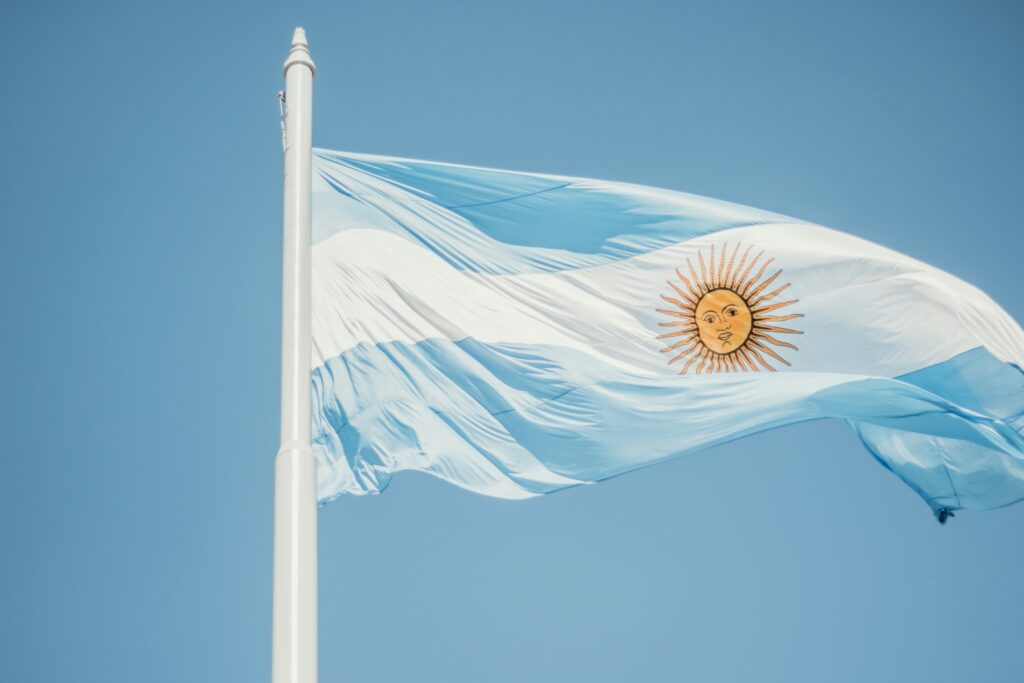
Here are some tips to help expats stay healthy while living in Argentina:
- Drink bottled or filtered water to avoid waterborne illnesses.
- Use insect repellent and wear long sleeves to protect against mosquito-borne diseases.
- Keep vaccinations up to date, including routine and travel-specific vaccines.
- Practice good hand hygiene by washing hands regularly or using hand sanitiser.
- Eat well-cooked food and avoid street vendors with questionable hygiene.
- Carry a basic medical kit with essentials like painkillers and antiseptics.
- Obtain private health insurance for quicker access to quality healthcare.
- Learn basic Spanish medical terms to communicate effectively with healthcare providers.
- Stay active and maintain a balanced diet to support overall health.
- Be cautious of the sun and use sunscreen, especially in summer and high-altitude areas.
Useful resources
- Emergency number for medical, fire, or police assistance: 911
- Ministry of Health: https://www.argentina.gob.ar/salud
- Argentina expat forums for community advice:
Disclaimer
For informational purposes only
The content in this guide is for general informational and educational purposes only. It does not constitute legal, financial, tax, or medical advice.
Accuracy and currency
Regulations and laws change frequently. While we strive for accuracy, we make no guarantees that this information is complete, accurate, or up to date.
No reliance & professional advice
Do not rely on this guide as a substitute for professional advice. Always verify requirements directly with official government sources or qualified advisors before making decisions.
Limitation of liability
To the maximum extent permitted by law, Expatriate Group accepts no liability for any loss, damage, or errors arising from reliance on this information.