Health Insurance Cameroon
Our expat guide to the healthcare system and health insurance in Cameroon
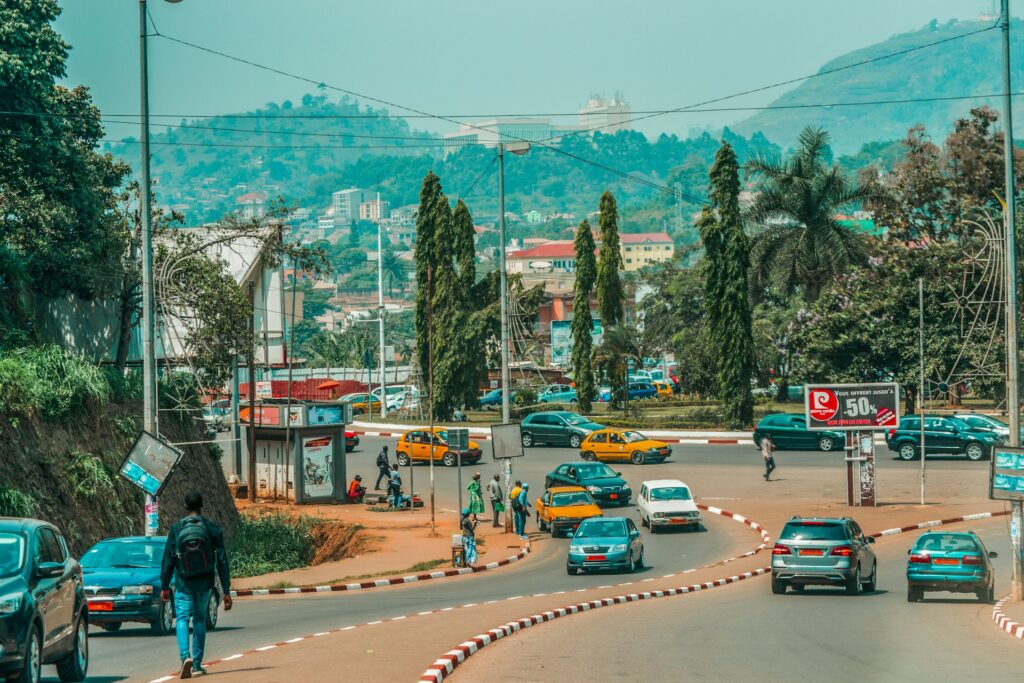
Healthcare in Cameroon presents a mix of opportunities and challenges for expats. The country offers a number of public and private healthcare facilities, but the quality of care can vary widely depending on location. Urban centres such as Yaoundé and Douala generally provide better medical services, with hospitals and clinics staffed by highly trained professionals. On the other hand, rural areas can have limited access to healthcare and fewer specialised services.
Affordability is a notable advantage; healthcare costs in Cameroon are typically lower than in many Western countries. However, accessibility can be inconsistent, particularly outside major cities, and language considerations are important: French is the official language, with English also spoken in certain regions, so communication might require planning.
As an expat, it’s important that you understand your options. You should know where to access quality care, whether public or private, understand local health insurance requirements, and be prepared for emergencies. Being informed will help you make the best decisions for your health and well-being while living in Cameroon.
Public healthcare in Cameroon
In Cameroon, public healthcare facilities are primarily available to citizens and permanent residents, but expats can also access care if they hold the appropriate visa or residency permits. You should check your visa status to ensure you are eligible for treatment in public hospitals or clinics.
The quality of care in public facilities can vary. In major cities like Yaoundé and Douala, hospitals and clinics are generally staffed by qualified doctors and nurses, but equipment can be limited and wait times can be long. In rural areas, facilities may be basic, with fewer trained professionals and limited specialised services.
Healthcare costs in the public system are usually low. Many public healthcare services are subsidised or involve a small copay, which typically makes them more affordable than private options. However, you should be prepared for some out-of-pocket expenses, especially for specialised care or medications.
Accessing public healthcare might require registration or for you to present identification, such as a residence permit or visa. You should confirm the specific requirements at your local facility.
There are some limitations to consider. Language can be a barrier, as French is widely used in healthcare settings and English less so. Overcrowding is common in urban hospitals, which can affect wait times and the attention you receive. Coverage gaps may also exist for certain treatments or specialised care, which is why some expats choose international health insurance to ensure they’re fully covered.
Does Cameroon have free healthcare?
Cameroon’s public healthcare system is not entirely free for everyone. Citizens and permanent residents can access many services at low cost or on a subsidised basis, particularly in public hospitals and clinics. However, the quality and availability of care can vary, and some treatments or medications might still require out-of-pocket payments.
As an expat, your access depends on your visa or residency status. Emergency care might be always available, but non-urgent treatment often comes with fees, and certain specialised services might only be offered in private facilities. Even for those eligible, some areas of care, such as advanced diagnostics, specialist consultations, or certain medications, might not be fully covered, so having private health insurance is generally recommended.
Does Cameroon have free healthcare?

Private healthcare in Cameroon
Private healthcare in Cameroon offers a number of advantages over the public system, particularly for expats. You will generally experience shorter wait times, higher comfort standards, and a greater likelihood of English-speaking staff, which can make navigating medical care easier. Private facilities tend to have better-equipped clinics and more readily available specialist services, and overall will provide a more consistent standard of care.
Costs in private healthcare are higher than in public facilities and can vary depending on the service and location. Routine consultations may cost between 10,000 and 30,000 CFA francs, while more specialised treatments, diagnostic tests, or hospital stays can be significantly more expensive.
Popular private hospitals and clinics are concentrated in urban centres such as Yaoundé and Douala. Well-known facilities include the Bonanjo Medical Centre, Polyclinic Bonamoussadi, and the Clinique La Cathédrale in Yaoundé. These institutions are often preferred by expats due to their service standards and familiarity with international patients. Having private health insurance is strongly recommended as it ensures you can access the full range of services without bearing high out-of-pocket costs. Many expats choose international health insurance plans that cover both routine care and emergency treatment, providing peace of mind while living in Cameroon.

Health insurance for expats in Cameroon
For expats in Cameroon, health insurance is not strictly mandatory, but it is highly recommended. Having coverage ensures you can access quality care without facing high out-of-pocket costs, particularly if you plan to use private hospitals or require specialist treatment.
You can choose between local and international health insurance plans. Local plans can be more affordable but often have limited coverage and fewer English-speaking providers. International plans tend to offer broader coverage, including hospitalisation, outpatient care, emergency evacuation, and repatriation, which can make them a safer choice for expats who want comprehensive protection.
Typical coverage includes hospital stays, consultations with doctors, diagnostic tests, and emergency care. Exclusions often include pre-existing conditions, elective cosmetic procedures, and certain specialised treatments. Costs for health insurance in Cameroon will vary depending on your age, coverage level, and provider. However, a typical international plan for a healthy adult can range from a few hundred to over a thousand US dollars per year. Policies can usually be purchased directly from insurance companies or through brokers who specialise in expat coverage.
Pharmacies and medication in Cameroon
Pharmacies in Cameroon are widely available in urban areas, particularly in cities like Yaoundé and Douala, but can be limited in rural regions. You will find both prescription and over-the-counter medications, although some specialised drugs can be harder to obtain. Pharmacists can provide advice on common ailments, but complex conditions usually require consultation with a doctor first.
To fill a prescription, you should present a valid prescription from a registered medical practitioner. Some pharmacies might accept prescriptions from private clinics or international doctors, but it’s best to check in advance. Pharmacies often carry generic versions of common medications, which are more affordable than branded options.
Costs for medication in Cameroon are generally lower than in Western countries, but prices can vary significantly depending on the pharmacy and whether the drug is imported. Over-the-counter medications for minor illnesses are inexpensive, while prescription drugs, particularly imported or specialised treatments, can be more costly. You should consider bringing essential medications with you, especially for chronic conditions, and ensure you have a supply of any prescription drugs, as not all brands or formulations may be readily available locally.
Pharmacies and medication in Cameroon

Hospitals in Cameroon
Public vs private hospitals
Cameroon has a mix of public and private hospitals, with the majority of well-equipped facilities concentrated in urban centres like Yaoundé and Douala. Public hospitals are generally more affordable but can be overcrowded, while private hospitals offer higher comfort standards and more reliable access to specialists.
Quality of hospitals in Cameroon
There are few hospitals in Cameroon that are internationally accredited, however, private facilities in major cities maintain good reputations among expats for quality care. Medical staff are typically well-trained, although equipment and facilities may not always match Western standards.
Hospitals in Cameroon

English-speaking staff in Cameroon hospitals
English-speaking staff are more commonly found in private hospitals. Some larger facilities will provide interpreters or multilingual support, but you may need to plan ahead if you need to communicate in a predominantly French-speaking region.
Top hospitals in major cities
Yaoundé and Douala host the country’s leading hospitals. Notable private institutions include Clinique La Cathédrale and Bonanjo Medical Centre, which are preferred by expats for their service quality and international standards.
Services offered in hospitals in Cameroon
Hospitals provide emergency care, specialised treatments, maternity services, surgery, and diagnostic tests. Some private hospitals also offer VIP packages for added comfort.
Hospital admission process
Many private hospitals accept walk-ins, although referrals might be required for specialised care. Public hospitals often expect referrals from local doctors. In emergencies, however, you can go directly to either a public or private hospital without a referral.
Costs of healthcare in Cameroon hospitals
Outpatient consultations typically cost between 10,000 and 30,000 CFA francs, while inpatient care varies depending on the facility and services required.
Facilities and comfort
Private hospitals often provide private or VIP rooms. Public hospitals, on the other hand, typically offer standard wards with more basic amenities.
Healthcare insurance acceptance
Most private hospitals accept international insurance, although some might require upfront payment before reimbursement. Public hospitals generally do not accept foreign insurance directly.
Cameroon emergency services
In Cameroon, the national emergency number for medical assistance is 119. Some private hospitals and clinics also offer direct ambulance services that you can contact for faster response.
The quality and speed of emergency care in Cameroon can vary. Urban centres such as Yaoundé and Douala generally have quicker response times and better-equipped ambulances, whilst rural areas can face delays due to limited resources and longer distances. Hospitals in major cities are usually prepared to handle critical cases, but response times and equipment can be less reliable outside these areas.
You should familiarise yourself with the nearest hospital and emergency services wherever you are living. Keep a list of local ambulance numbers, your insurance details, and any relevant medical information handy. In serious emergencies, do not hesitate to call an ambulance rather than relying on private transport, and ensure you can communicate your location clearly, particularly if you are in a region where English is less widely spoken.
Cameroon emergency services

Vaccinations in Cameroon
Before travelling to Cameroon, you should ensure you are up to date on routine vaccinations such as measles, mumps, rubella (MMR), diphtheria, tetanus, pertussis, polio, and influenza.
The yellow fever vaccination is mandatory for entry into Cameroon, and you must carry an official International Certificate of Vaccination as proof. Other recommended vaccines include hepatitis A and B, typhoid, meningitis, and rabies, particularly if you plan to spend time in rural areas. Malaria prophylaxis is also advised, as malaria is prevalent throughout the country.
It is important to consult a travel health clinic or your doctor well in advance of your departure to ensure you receive all necessary vaccinations and preventive advice tailored to your itinerary, lifestyle, and health history. Keeping a personal record of your vaccinations can also be useful for accessing healthcare once in Cameroon.
Common health risks in Cameroon
There are a number of health risks to be aware of in Cameroon. Malaria is widespread throughout the country, so it’s essential to take prophylactic medication and use insect repellent and mosquito nets. Other mosquito-borne illnesses, such as dengue fever and chikungunya, can also occur, particularly during the rainy season.
Food- and waterborne illnesses, including diarrhoea, typhoid, and hepatitis A, are common. You should take care with hygiene, drink bottled or boiled water, and avoid uncooked or street food. Respiratory infections and seasonal flu are also possible, especially in urban areas with higher population density.
You should ensure you stay up to date on vaccinations, practise good hand hygiene, and use protective measures against mosquitoes. Wearing long sleeves, using insect repellent, and sleeping under a treated mosquito net can reduce the risk of bites. Being cautious with food and water, washing hands regularly, and maintaining a healthy lifestyle will help minimise the risk of illness while living in or visiting Cameroon.
Tips for staying healthy in Cameroon
Here are some tips to help expats stay healthy while living in Cameroon:
- Protect against mosquito-borne illnesses by using insect repellent, wearing long sleeves and trousers, and sleeping under treated mosquito nets. Malaria, dengue, and chikungunya are common throughout the country.
- Stay up to date with vaccinations including routine immunisations and those recommended for Cameroon, such as yellow fever (required), hepatitis A and B, typhoid, and rabies.
- Be cautious with food and water by practising good hygiene. Drink bottled or boiled water, avoid ice in drinks, and be careful with street or uncooked food to reduce the risk of food- and waterborne illnesses like diarrhoea and typhoid.
- Protect yourself from sun exposure by using sunscreen, wearing hats and sunglasses, particularly during the hot and humid months, to reduce the risk of sunburn and heat-related issues.
- Keep a basic first aid kit and medications handy, especially if you are living or travelling outside major cities, where medical facilities may be limited.
- Know local emergency numbers and hospitals so you can access care quickly in case of illness or injury.
- Maintain mental and physical wellbeing by staying active, drinking plenty of water, and seeking support if adjusting to local culture, climate, or lifestyle becomes challenging.
Tips for staying healthy in Cameroon
Useful resources
- Emergency number for medical and ambulance: 119
- Emergency number for police: 117
- Emergency number for fire: 118
- Non-emergency number for medical, fire, and police (mobile only): 112
- Cameroon Ministry of Health: https://www.minsante.cm/site/?q=en
- Cameroon expat forums for community advice: